Iran executes three amid crackdown on ‘infiltrators’ as US-Israel war intensifies
Tehran’s authorities have executed Mehdi Khanaki and two others linked to recent unrest, while intelligence agencies publish a list of hostile media figures, warning that sharing information with them carries severe penalties.
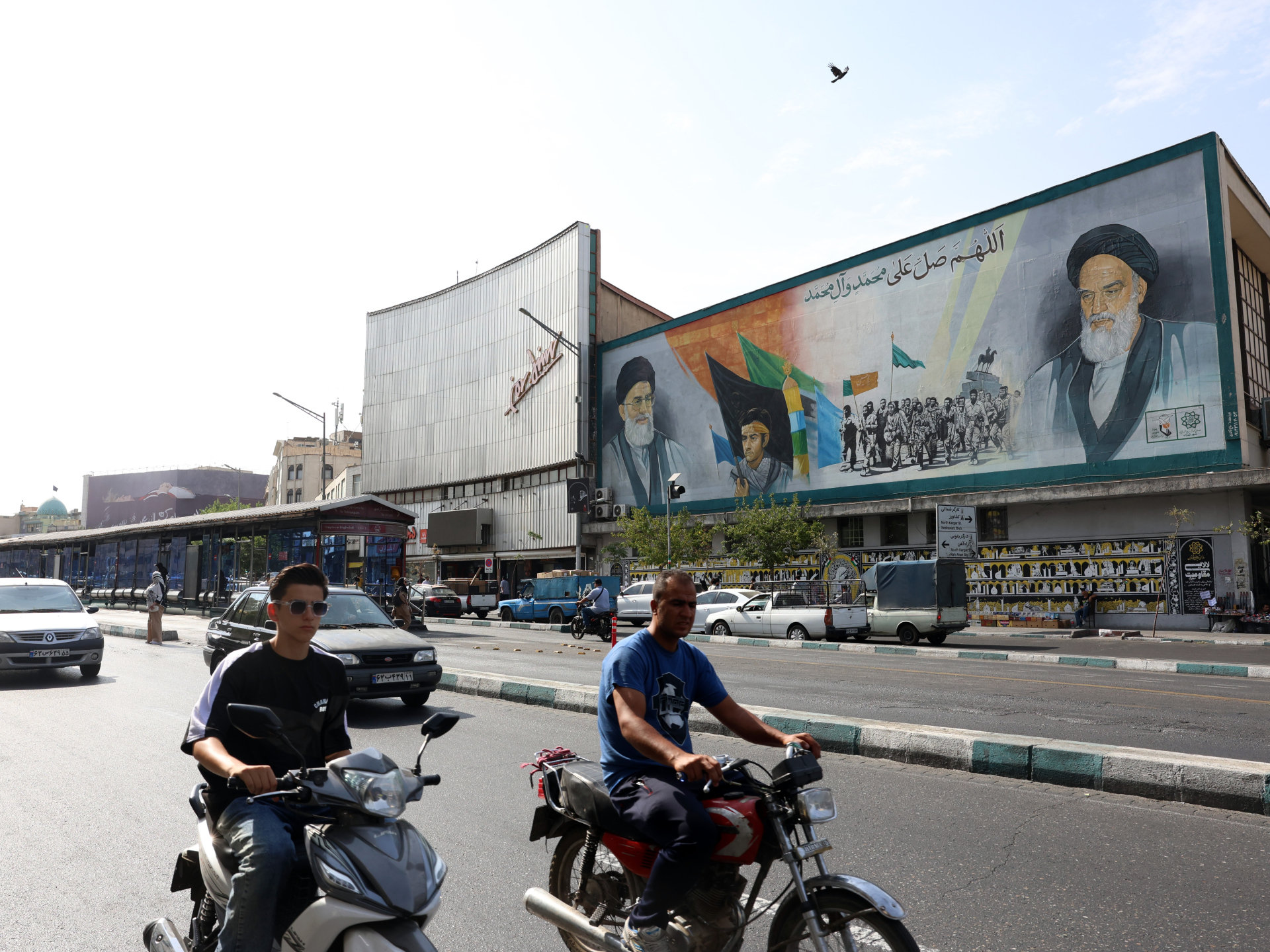
Iran’s judiciary has announced the execution of three individuals this week, marking a significant escalation in the state’s campaign against those accused of undermining national security during the ongoing war with the United States and Israel. The executions follow a stringent law enacted after the 12-day conflict with Israel in June 2025, which imposes severe penalties for espionage and actions deemed to cooperate with hostile groups.
On Wednesday, the judiciary’s official news outlet confirmed the execution of Mehdi Khanaki, who was identified as an active element of a terrorist group. Khanaki had been arrested during nationwide protests in January and tried by a revolutionary court in Karaj for operational actions in favour of the Zionist regime and the United States. State television broadcast footage of security forces raiding his home, where handguns, ammunition, and explosives were allegedly found.
Two men were executed on Sunday in connection with a 16-defendant case stemming from deadly protests in Isfahan on January 8. Authorities allege the men were involved in the killing of police officers, though foreign-based activists have disputed the state narrative, alleging a lack of due process and the use of torture. The unrest, which began in late December over economic grievances, quickly evolved into a broader expression of frustration with the establishment, resulting in thousands of deaths and tens of thousands of arrests.
In a parallel move to tighten control over information, Iran’s Ministry of Intelligence released a list on July 13 comprising dozens of media networks, 61 individual figures, and 310 online accounts designated as hostile. Authorities warned that sending photographs, video, or information to these entities can trigger prison sentences and permanent exclusion from public employment. This directive coincides with periodic broadcasts of confessions on state television, including a recent segment featuring a young man who admitted to posting Instagram stories opposing the Islamic Republic.
The crackdown aligns with calls for unity from Supreme Leader Mojtaba Khamenei, who was selected in March following the death of his father, Ayatollah Ali Khamenei, in the opening salvo of the war. Chief Justice Gholam-Hossein Mohseni-Ejei recently warned against internal infiltrators attempting to create division, describing them as alarmists and rumour-spreaders disguising themselves as insiders. These measures come as the United States points to alleged rifts within Iranian leadership, a classification Tehran has firmly rejected.