Iran entrenches Hormuz blockade as Saudi Arabia seeks trilateral defence pact
The Islamic Revolutionary Guard Corps has declared the Strait of Hormuz a theatre of war, refusing to reopen the waterway until Washington meets specific conditions, while Saudi Arabia fortifies its security architecture through a new alliance with Turkey and Pakistan.
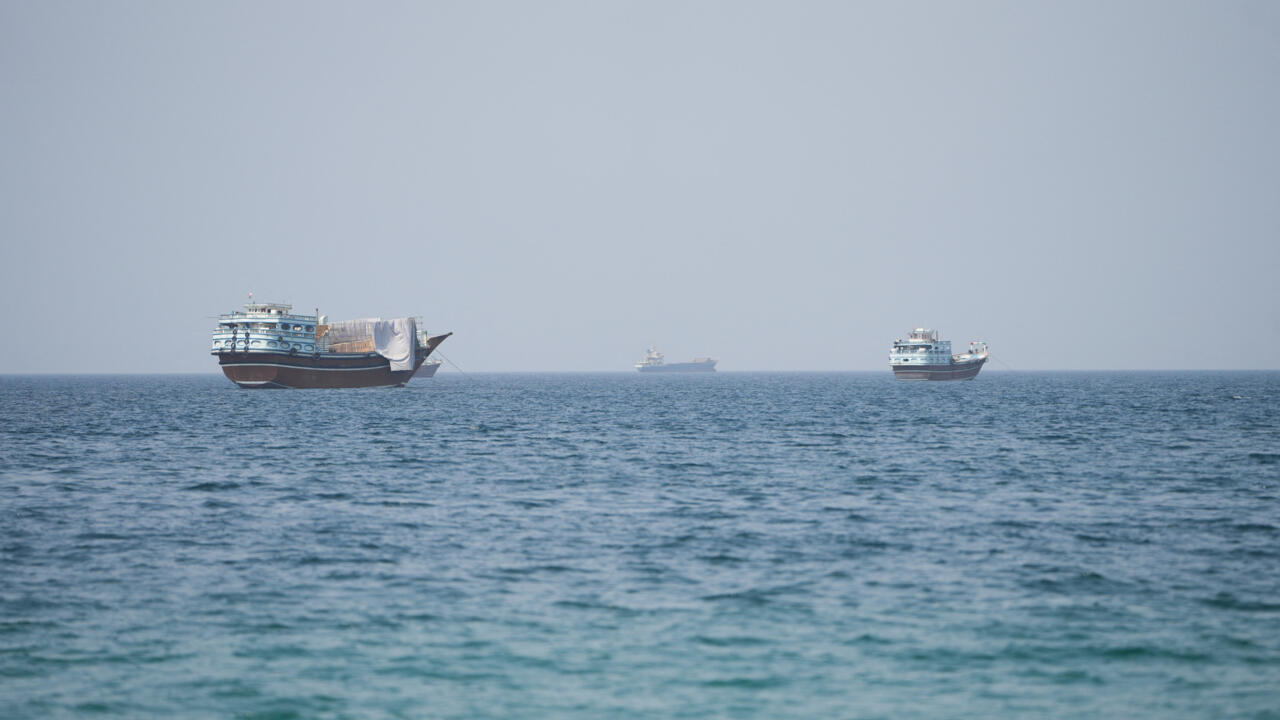
Iran’s Islamic Revolutionary Guard Corps (IRGC) announced on Sunday that the Strait of Hormuz would remain closed until the United States complies with Tehran’s demands, which include the lifting of sanctions, the release of frozen assets, and compensation for war damage. The blockade has significantly disrupted global energy markets and driven up prices, creating a complex political challenge for US President Donald Trump ahead of the November midterm elections.
In response to the escalating crisis, President Trump adopted a low-key negotiation stance, stating he intends to wait out Iran economically. In an interview with Axios, Trump described the situation as a "chess game," noting that Tehran is grappling with high inflation and a lack of funds. He indicated that the United States is only "semi-negotiating" with Iran, suggesting that economic pressure would eventually compel Tehran to back down.
Iran’s Supreme National Security Council outlined specific conditions for reopening the strait on Saturday, echoing terms from a June memorandum. These conditions include an end to the war on all fronts, the lifting of a US counterblockade on Iranian ports, and the establishment of a $300 billion reconstruction fund. The IRGC has framed the strait not merely as a waterway but as a theatre of war, insisting on retaining control and charging tolls for passage after the conflict concludes.
As Iran throttles traffic in the Hormuz, its Houthi allies in Yemen have declared a parallel maritime blockade on Saudi ports in the Red Sea. Houthi military spokesman Yahya Saree claimed the group targeted Saudi troops and equipment in the city of Mokha using missiles and drones. A medical source reported that the strikes resulted in three civilian and eight military deaths, with 32 others injured, highlighting the widening scope of the regional conflict.
Amid the deteriorating security environment, Saudi Arabia signed a joint defence agreement with Turkey and Pakistan on Friday. The pact features a mutual defence clause similar to NATO’s Article 5, stipulating that an attack on one member is considered an attack on all. Turkey’s Foreign Minister Hakan Fidan expressed expectation that Egypt would join the alliance, describing Cairo as a "natural partner," while Pakistani officials stated the agreement is intended to strengthen collective deterrence rather than target any specific nation.
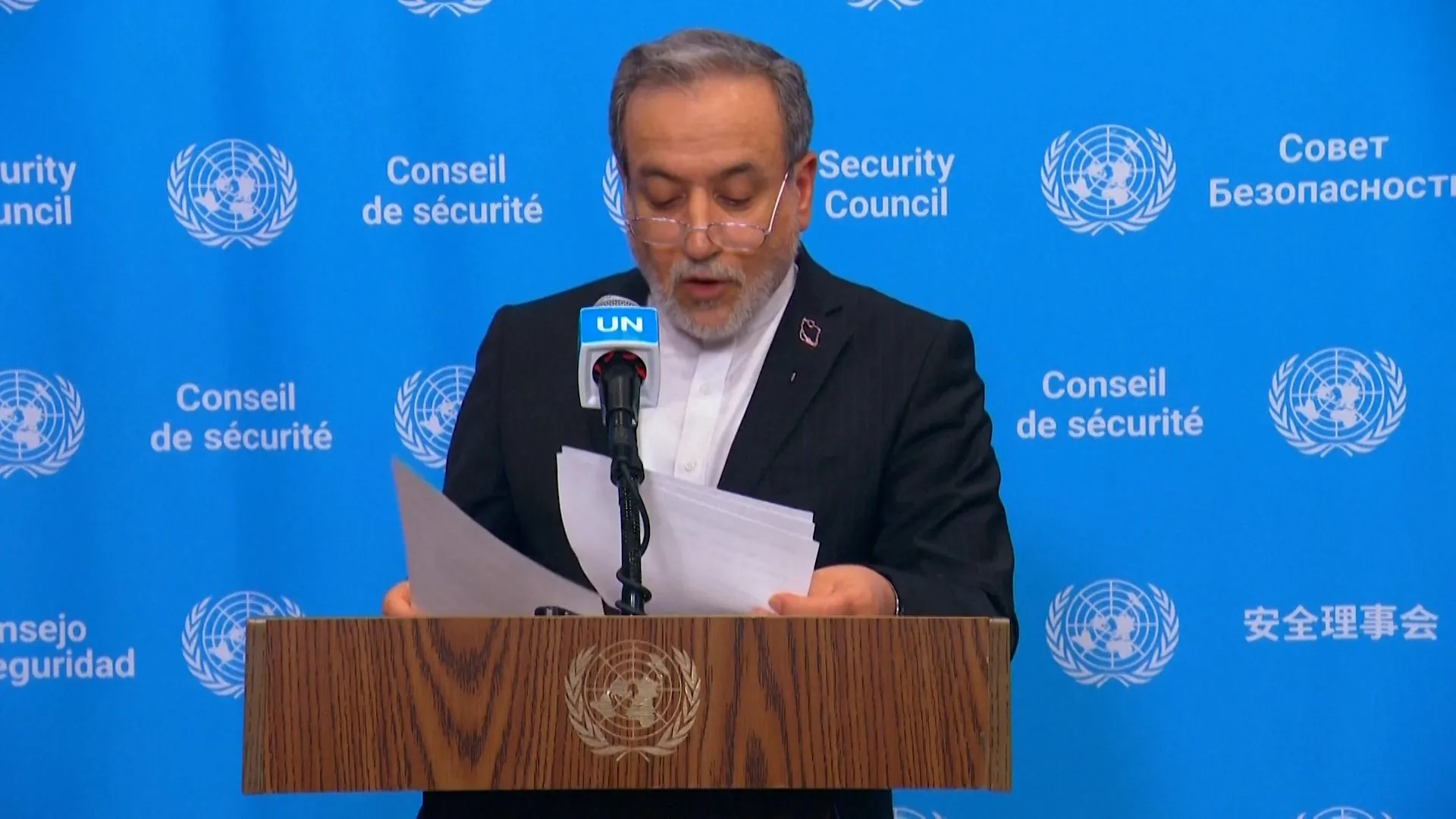
Oman, which has been mediating discussions on strait management, condemned the repeated attacks on shipping without naming Iran. The Omani foreign ministry warned that such actions could jeopardise ongoing negotiations, which are reportedly approaching final stages. Iranian Foreign Minister Abbas Araghchi confirmed that Tehran is exchanging messages with the US via intermediaries and that discussions with Oman regarding navigation arrangements are progressing.