Iran elevates Strait of Hormuz to atomic-bomb-level strategic asset amid stalled nuclear talks
State officials describe the strait's economic leverage as comparable to a nuclear weapon while hardliners purge previous negotiators
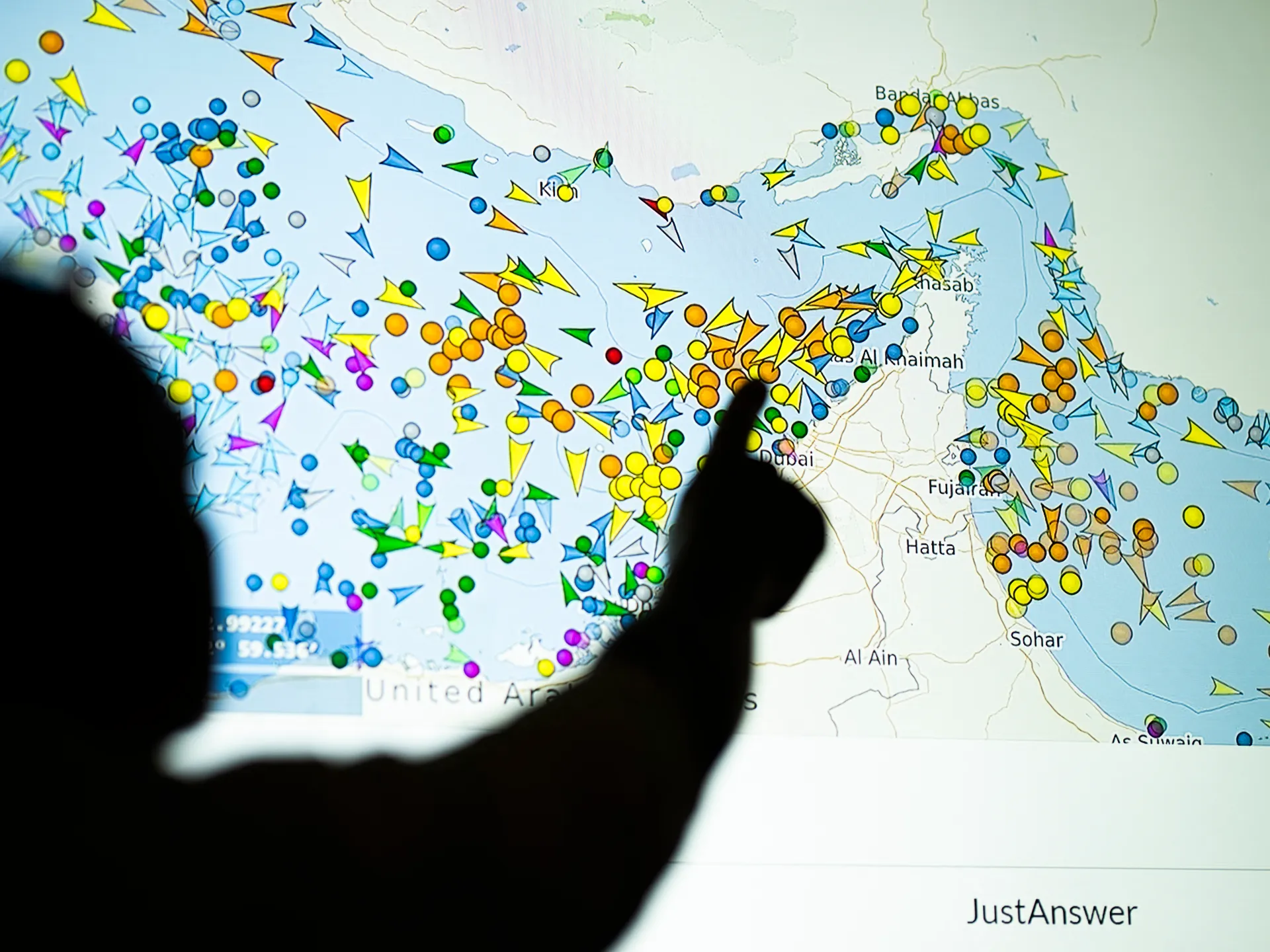
Iranian authorities and state-linked media have declared control over the Strait of Hormuz to be of atomic-bomb-level importance, capable of affecting the global economy with a single decision. As the United States awaits Tehran's response to nuclear agreement texts, Iranian officials state they will not relinquish control gained through the ongoing war and may alter the strait's governing regime.
Foreign Ministry spokesperson Esmaeil Baghaei confirmed that Tehran is still reviewing US proposals and explicitly stated that authorities do not pay attention to deadlines or timing regarding a response. Mohamad Mohkber, a senior adviser to the Supreme Leader, characterised the strait's capability as an enormous capability comparable to an atomic bomb, noting that the theocratic and military establishment had previously neglected its value.
Mohammad Reza Aref, the current first vice president, asserted that Iran's management of the strait would counter US sanctions, suggesting that the nation would no longer be facing something called sanctions due to the cemented view of the strait's rights. State television drew a historical parallel between the Strait of Hormuz and the Battle of Uhud, with host Hossein Hosseini warning that abandoning the strait could lead to national defeat.
Concurrently, hardline lawmakers, including Mahmoud Nabavian, have called for the removal of Foreign Minister Abbas Araghchi from the negotiation process, citing his role in previous talks as a liability. Ali Khezrian, a member of the national security commission, claimed via unnamed senior officials that Iran has not engaged in any sort of nuclear negotiations, dismissing the US administration's focus on an agreement as an attempt to compensate for defeats in the field of battle.
The Islamic Revolutionary Guard Corps and US warships have traded fire over transit in the strait in recent days, as Washington continues to impose a naval blockade of Iran's ports and considers advancing its Project Freedom operations. While mediated talks continue, hardliners remain entrenched against concessions on the nuclear programme, missile arsenal, or other key issues, with some calling for the removal of diplomats involved in previous negotiations.