Iran asserts sovereignty over Strait of Hormuz, challenging US naval claims
Iranian officials declare the strategic waterway under Tehran’s management, linking its reopening to US compliance with a failed interim deal while diplomatic talks with Oman remain deadlocked.
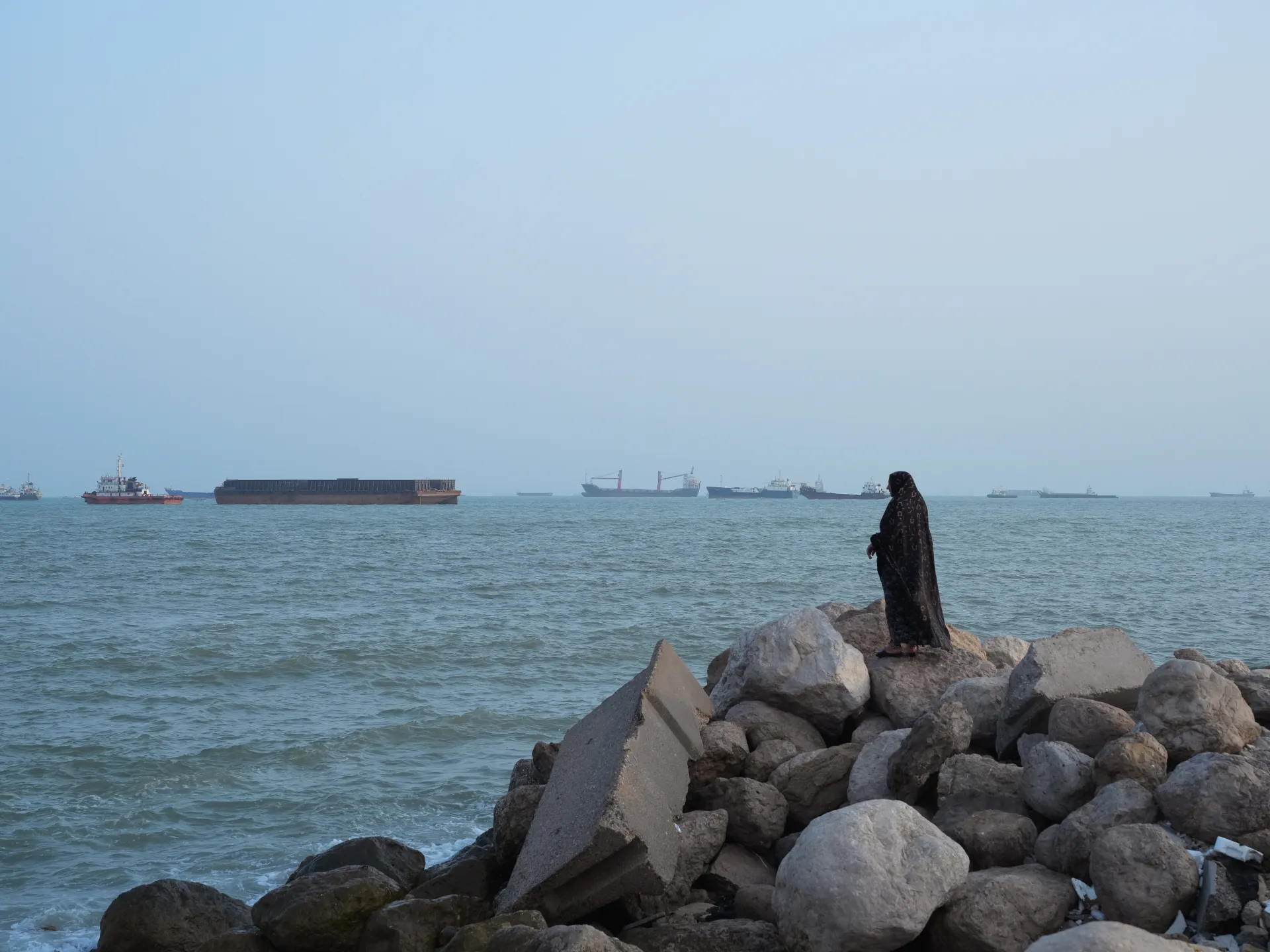
Iranian authorities have formally asserted full control over the Strait of Hormuz, directly contradicting US President Donald Trump’s recent declaration that Washington holds total dominance of the strategic waterway. The dispute underscores the deepening institutional rift between Tehran and Washington as the US-Israeli war, which commenced on 28 February, continues to disrupt global energy transit.
Hojjatoleslam Hossein Taeb, commander of the paramilitary Basij Organisation, stated on Thursday that the strait is under the "management and control of the Islamic Republic." Speaking to Iran’s semi-official Fars news agency, Taeb insisted that the country continues on its path in "complete security," dismissing Trump’s social media claims as a failure to recognise the power of the revolution.
The assertion was reinforced by Iran’s joint military command, the Khatam al-Anbiya Central Headquarters, which declared that no vessel may transit the strait without explicit permission from Tehran. The command labelled US claims regarding the normal passage of vessels as "lies and falsehoods," reinforcing the effective blockade that has been in place since the conflict began.
Senior military political official Rasoul Sanaei-Rad linked the reopening of the waterway to US adherence to a failed interim ceasefire deal. He warned that Iran would not unilaterally restore access and cautioned that any future conflict would elicit a more forceful and offensive response from Iranian forces. This stance follows the collapse of a June agreement that had briefly extended a ceasefire and called for a return to freedom of navigation.
Foreign Minister Abbas Araghchi characterised Washington’s actions as a significant intelligence failure, describing the US position in the strait as an "even bigger miscalculation" than the initial decision to launch war. Meanwhile, diplomatic efforts mediated by Pakistan between Iran and Oman to establish a new route through the strait remain in deadlock, with Tehran insisting on the lifting of sanctions and reparations before any agreement can be finalised.
Analysts suggest Iran’s strategy is designed to prolong the conflict to increase economic pressure on the Trump administration. Michael Stephens, a senior associate fellow at the Royal United Services Institute, noted that Iran believes the economic squeeze poses no existential threat to its government, allowing it to escalate tensions to make the conflict more acute for its adversaries.
The situation remains volatile as Iran has resumed limited attacks on vessels it claims violated the June interim arrangements, prompting the US to restart strikes on Iran’s southern provinces. These military actions continue to threaten the transit of oil and liquefied natural gas, which accounted for a fifth of global supplies before the war.