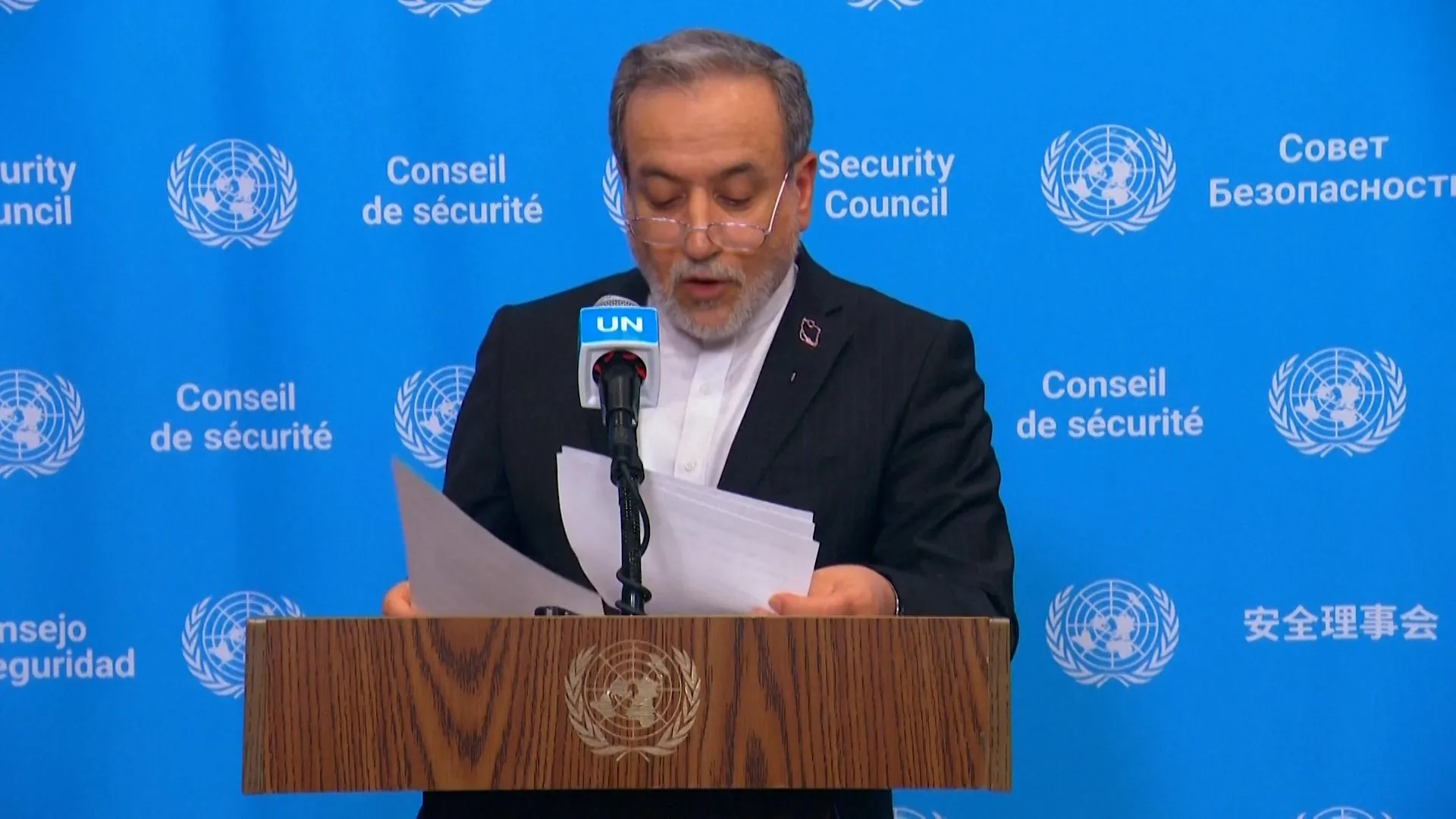
Iran demands US blockade lift and compensation before reopening Strait of Hormuz
Iran has set out strict requirements for Washington, including the removal of a naval blockade and financial reparations, as a separate track of diplomacy with Oman progresses regarding the management of the strategic waterway.
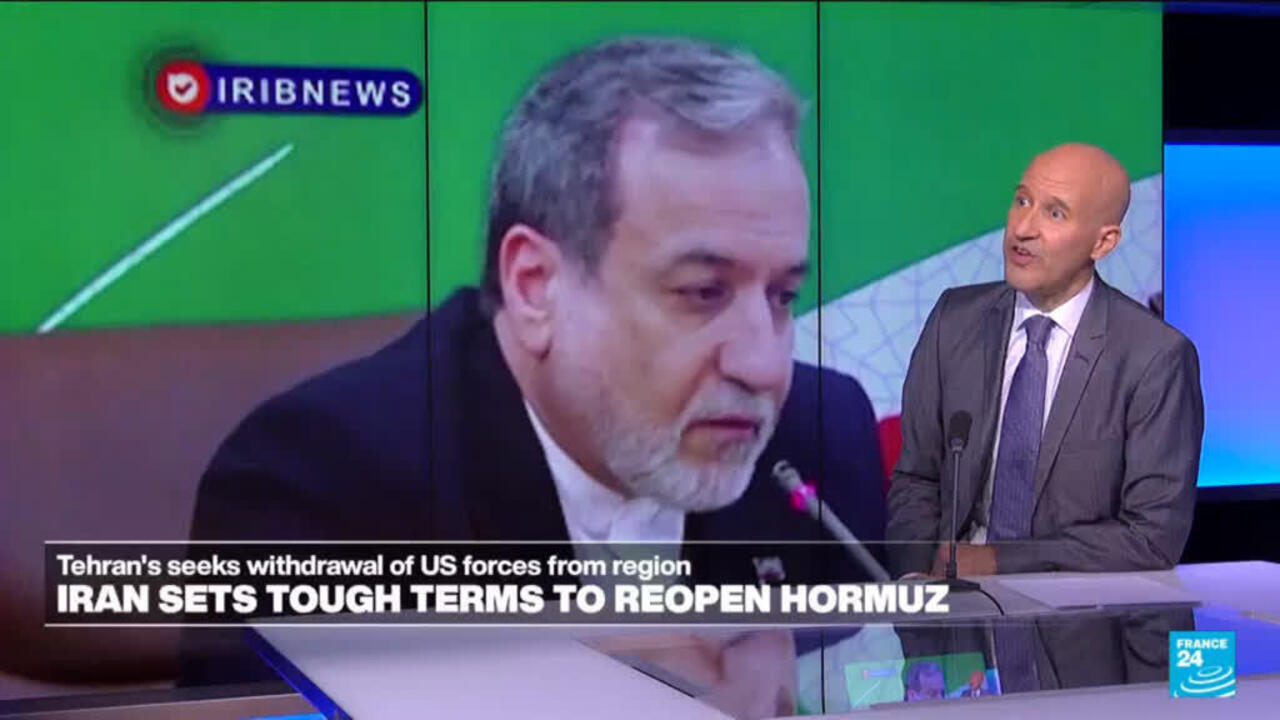
Iran’s national security chief has formally outlined a series of demands directed at the United States, establishing them as prerequisites for Tehran to reopen the Strait of Hormuz. The conditions stipulated by Tehran include the immediate lifting of what it describes as a US naval blockade of Iranian ports, the provision of compensation for war damages, and the release of frozen Iranian assets.
The demands represent a significant hardening of Tehran’s stance on the strategic waterway, which serves as a critical artery for global energy supplies. By linking the reopening of the strait to specific geopolitical concessions, Iran is framing the issue not merely as a matter of maritime navigation, but as a broader contest of sovereignty and financial restitution.
Concurrently, diplomatic efforts are underway through a separate channel involving Oman. Iranian and Omani officials have indicated that they are close to reaching a deal concerning the management of the Strait of Hormuz. This parallel track suggests that while direct confrontation with the United States remains a focal point, Tehran is also pursuing regional coordination to stabilise the waterway’s operations.
The nature of the US naval blockade cited in Iran’s demands remains a point of contention. While Tehran asserts the blockade exists and must be lifted, the precise legal or operational definition of these naval operations has not been detailed in official statements. The claim implies a state of active restriction on Iranian port access, though the extent of these measures is subject to interpretation.
Similarly, the request for compensation for war damages introduces complex liability questions. The attribution of responsibility for these damages is contested, and the specific nature of the losses claimed by Iran has not been independently verified. These elements remain central to the diplomatic impasse, with both sides holding firm on their respective positions.
Insights into the broader geopolitical implications of these developments have been provided by France 24 International affairs editor Douglas Herbert, who noted the significance of the dual-track approach involving both US demands and Omani mediation. The situation underscores the fragility of the region’s security architecture and the high stakes involved in any resolution regarding the Strait of Hormuz.
As negotiations continue, the international community watches closely to see whether the demands from Tehran can be reconciled with US positions, or if the separate deal with Oman will provide a pathway to de-escalation. The outcome of these discussions will likely determine the immediate future of maritime traffic in one of the world’s most vital shipping lanes.