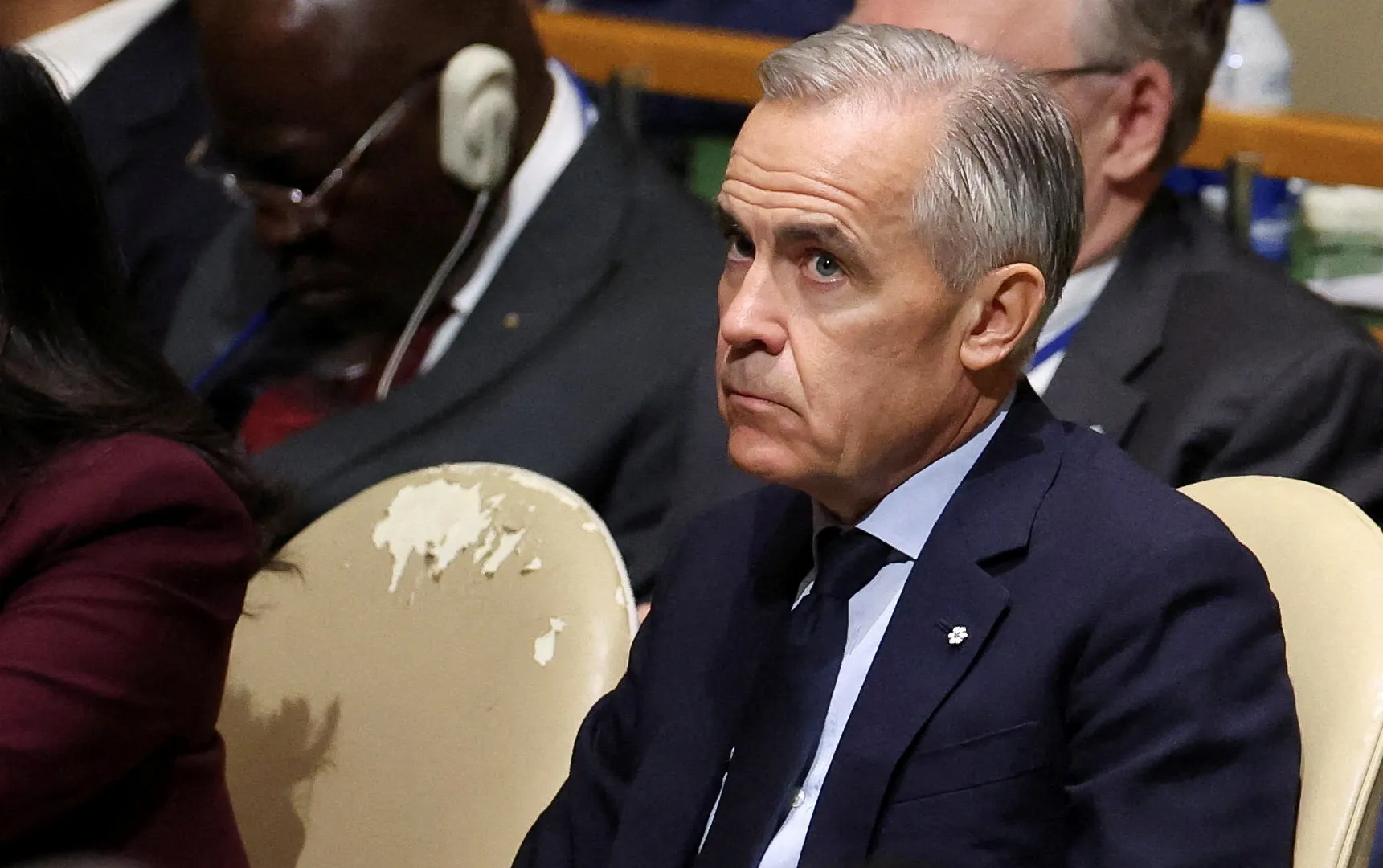
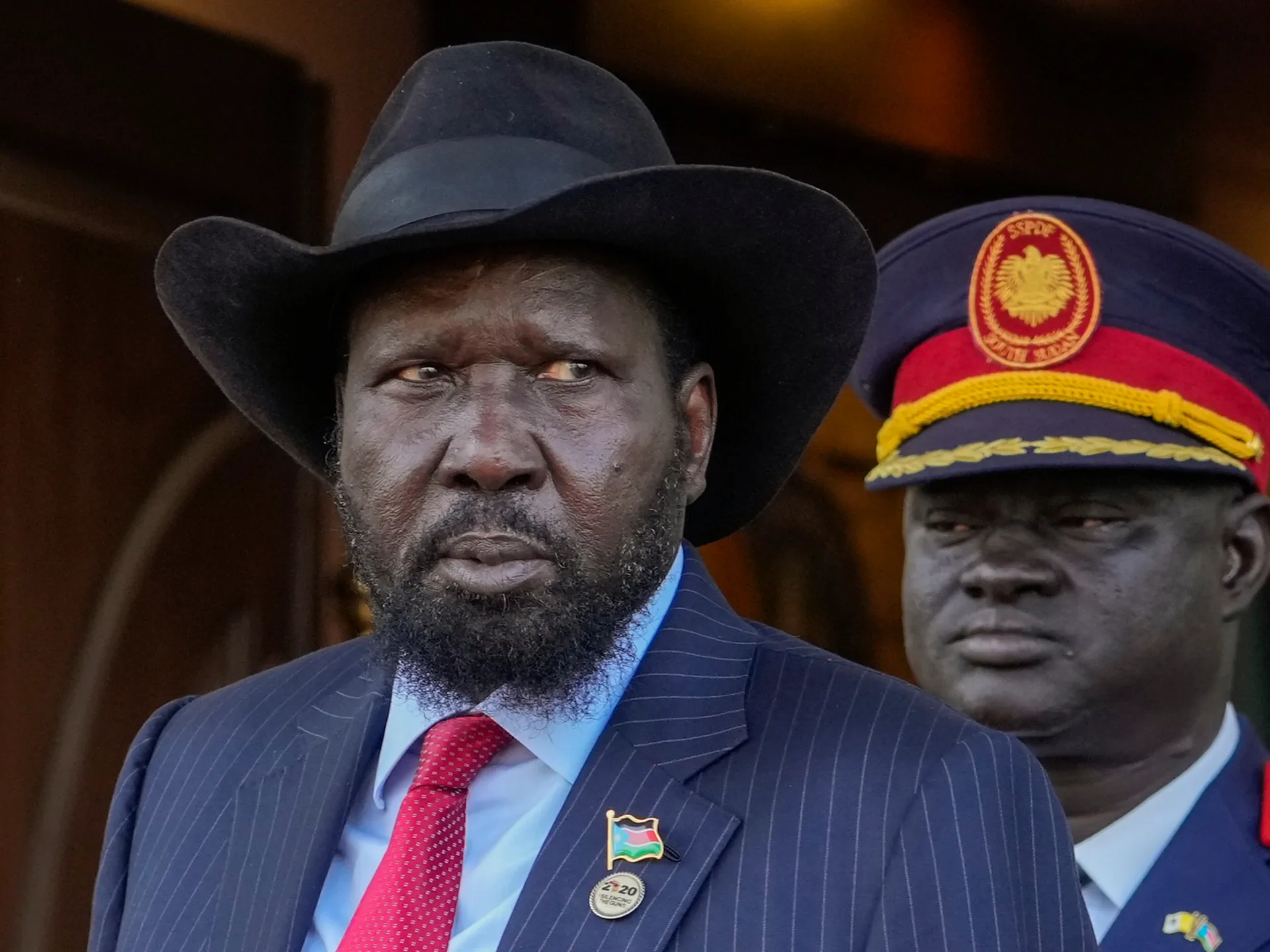
Iran conflict widens as stalled US talks test Trump’s regional strategy
Fighting and shipping disruptions are spreading from the Strait of Hormuz towards the Red Sea, while Washington, Tehran and Gulf states remain divided over the terms of de-escalation.
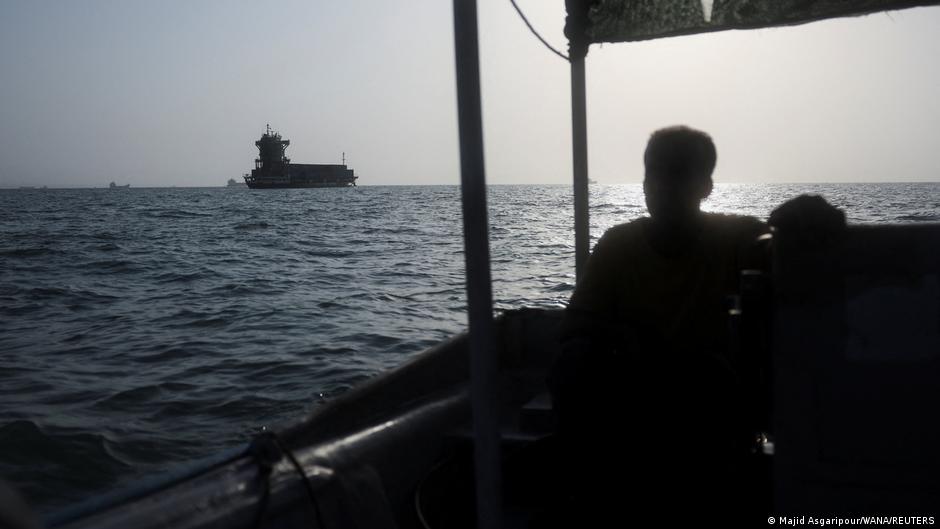
Negotiations between Washington and Tehran have reportedly stalled as the Iran war expands across key regional waterways. Deutsche Welle reports that Iran-aligned Houthi forces have taken positions on Yemen’s coast, threatened Red Sea trade routes and launched attacks on targets in Saudi Arabia.
The developments add to pressure created by the reported blockade of the Strait of Hormuz, which has contributed to global energy pressures and high US fuel prices. Saudi officials have also reportedly blamed Iran-aligned Iraqi militias for damaging the East-West oil pipeline, though the supplied material does not establish that the claims have been independently verified.
Donald Trump is under pressure to restore freedom of navigation and demonstrate progress in the conflict. The New York Times, Fox News and Axios have reported differing details about Saudi requests for US action against the Houthis, Trump’s consideration of air strikes and an alleged Houthi commitment not to attack US targets.
Washington is reportedly seeking to weaken Iran’s nuclear and military capabilities, restore shipping security and return Tehran to negotiations. Iran, according to Deutsche Welle, is demanding an end to the fighting, the release of frozen assets and the lifting of the naval blockade.
Trump is expected to discuss Iran with Chinese President Xi Jinping and representatives of Gulf states, while signalling openness to meeting Iranian President Masoud Pezeshkian. A planned meeting involving Iran, Gulf states and Iraq was cancelled last week, and it remains unclear whether contacts through Qatar and Oman can produce a broader political process or ceasefire.
Gulf states are described as favouring de-escalation while opposing greater Iranian control over the Strait of Hormuz. Their shared interest in preventing further escalation has not overcome the competing security and political demands shaping the conflict.