Iran captain cites cartel ties amid World Cup security concerns
As the 2026 FIFA World Cup unfolds in Mexico, Iran’s team captain has disclosed a brush with an armed group, referencing unverified claims about cartel attitudes toward Iranian nationals.

Iran’s World Cup captain has disclosed a personal encounter with an armed group in Mexico, raising immediate questions regarding the security protocols for international athletes at the 2026 FIFA World Cup. The revelation comes as the tournament, jointly hosted by Mexico, the United States, and Canada, continues to draw global attention to the host nation’s complex internal security landscape.
According to reports from Al Jazeera, the captain stated he has heard that Mexican cartels have a particular fondness for Iranians. This assertion was presented as hearsay rather than verified intelligence, highlighting the anecdotal nature of the concerns surrounding the safety of foreign visitors in regions with significant organised crime presence.
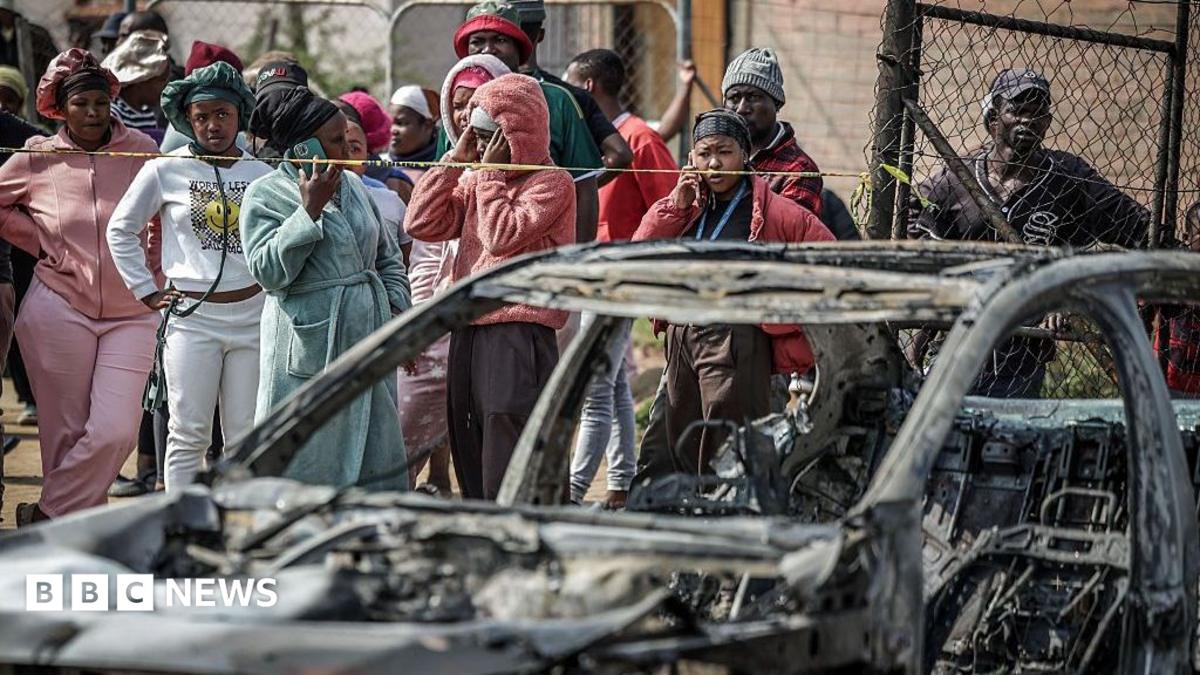
The incident described by the captain is characterised as a "brush with an armed group," with the source material not confirming whether theft or robbery actually occurred. The ambiguity surrounding the specific nature of the encounter underscores the potential risks faced by high-profile individuals operating within areas where cartel influence is prevalent.
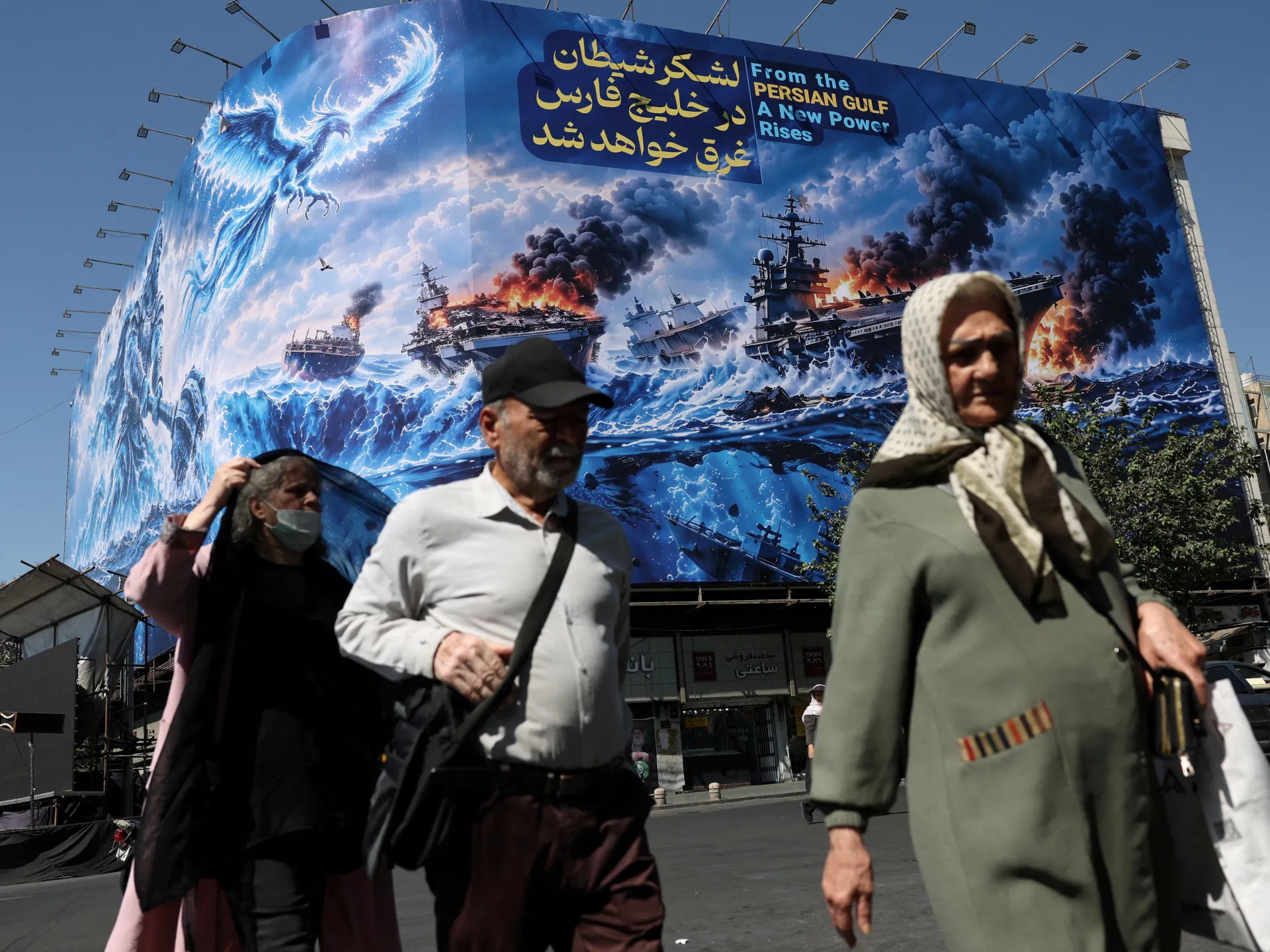
This disclosure occurs against a backdrop of heightened geopolitical tension in the region. A fragile ceasefire was established between Iran and Israel in early April 2026, followed by subsequent incidents, including an Israeli attack on Beirut’s southern suburbs in late May 2026. These regional dynamics add a layer of complexity to the security considerations for Iranian delegates and athletes participating in the tournament.
The 2026 World Cup opened on Thursday, 11 June 2026, with co-hosts Mexico defeating South Africa 2-0 at the Estadio Azteca in Mexico City. The opening match was marked by a historic disciplinary record, with Brazilian referee Wilton Sampaio issuing three red cards, signalling a turbulent start to the tournament.
As the competition progresses, the captain’s account serves as a reminder of the non-sporting challenges that accompany major international events in regions with significant organised crime activity. The unverified nature of the claims regarding cartel preferences for Iranians suggests that while specific threats may be anecdotal, the underlying security environment remains a subject of serious concern for event organisers and participating nations.
The incident has drawn attention to the need for robust security measures for athletes and officials travelling through Mexico. With the tournament spanning multiple host cities, the safety of international visitors remains a critical operational priority for the FIFA and local authorities.