European rivers face historic drought as heatwave disrupts transport and energy
The Loire, Danube, Rhine and Po are among the affected waterways, with authorities warning of risks to infrastructure and ecosystems.
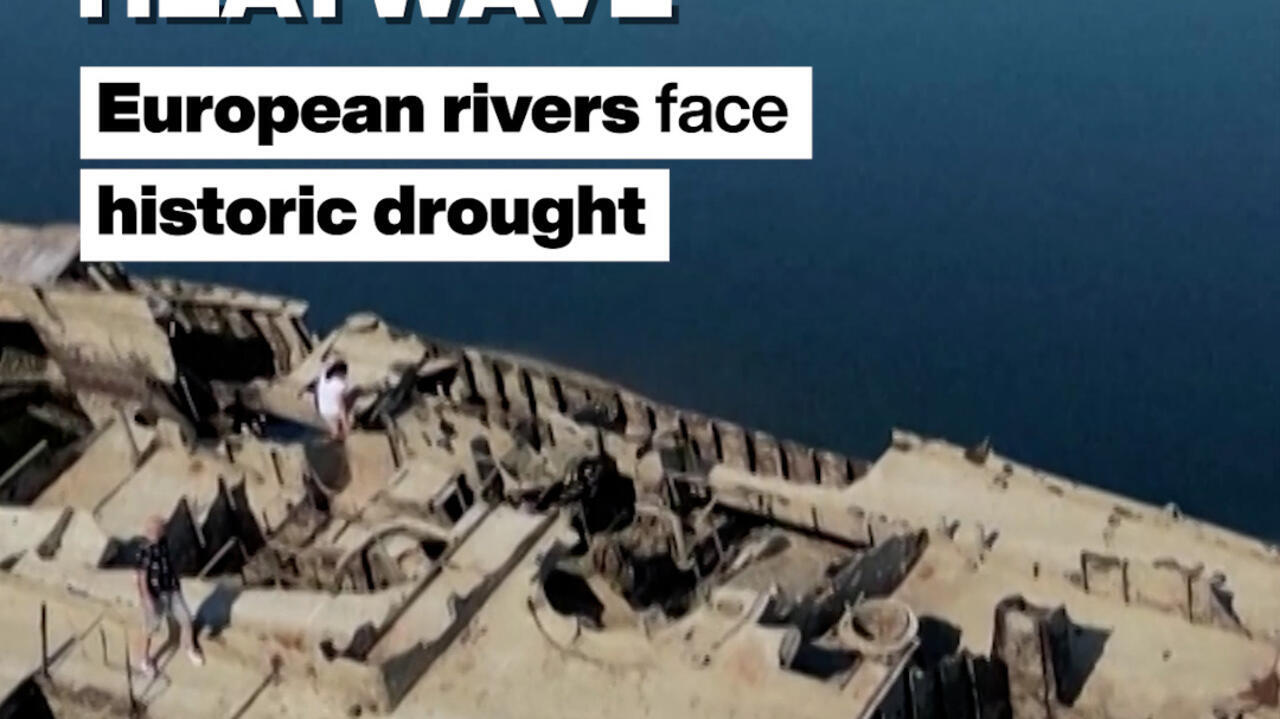
Major European waterways are experiencing critically low water levels as the continent grapples with a severe heatwave, according to reporting by France 24. The drought, which has followed a summer characterised by record-breaking temperatures, is placing significant strain on river transport networks, energy production capabilities, and local water supplies.
The affected rivers include the Loire in France, the Danube flowing through central and eastern Europe, the Rhine in western Europe, and the Po in Italy. These arteries are vital for commercial shipping and industrial logistics, and the reduced water depth poses immediate operational challenges for barge traffic and freight movement.
Beyond commercial disruption, the low water levels are threatening energy production facilities that rely on river water for cooling or hydroelectric generation. The structural integrity of these energy systems is now under pressure, raising concerns about supply stability in regions already facing high demand due to the extreme heat.
Environmental agencies are also monitoring the situation closely, as the drought poses a direct threat to aquatic ecosystems. The reduced flow and higher water temperatures can lead to oxygen depletion and habitat loss, with long-term implications for biodiversity in these major river systems.
Water supply authorities are increasingly vigilant as the drought persists. The combination of reduced river levels and high evaporation rates is straining reservoirs and groundwater reserves, necessitating careful management of municipal and agricultural water usage across the affected regions.
The situation underscores the growing vulnerability of European infrastructure to climate extremes. As temperatures continue to rise, the frequency and intensity of such drought events are expected to increase, requiring more robust adaptation strategies for transport, energy, and environmental sectors.