Iran applies pressure on US while keeping diplomatic options open
Tehran appears to be pursuing controlled escalation ahead of US midterm elections, as Gulf states seek a temporary shipping deal in the Strait of Hormuz.
Iran is increasing pressure on the United States while apparently seeking to avoid a return to full-scale war, according to analysis reported by Deutsche Welle World. The conflict is unfolding ahead of the US midterm election on November 3, with Israel’s election scheduled for October 27.
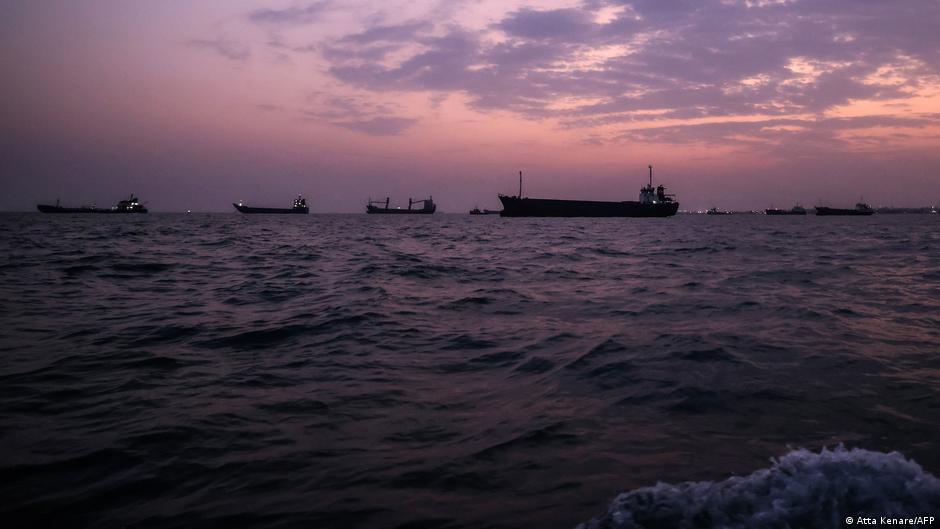
Fighting escalated this week after US strikes on Iranian oil tankers reportedly followed Iran’s targeting of a US warship. Iran’s Islamic Revolutionary Guard Corps has also claimed to have captured a US Anduril Dive-LD unmanned underwater vehicle in the Strait of Hormuz. The claim, including the vehicle’s mission and location, has not been independently verified.
Mohammad Ghaedi, a Middle East expert at George Washington University, said Iran appeared to view escalation as a tool for coercive bargaining rather than an objective in itself. Tehran was seeking to impose costs on Washington and disrupt regional maritime traffic while keeping the confrontation below a threshold that could prompt a broader US response, he said.
Iran’s preferred outcome may be a return to a June memorandum that paused the full-scale conflict. The agreement reportedly requires an Israeli withdrawal from Lebanon, which Ghaedi identified as a major obstacle before Israel’s election. Iran’s president, Masoud Pezeshkian, has said Tehran would return to the memorandum if Washington did the same.
Regional diplomacy is also being pursued. Oman and other Gulf states are reportedly planning talks with Iran in Salalah, Oman, on a temporary arrangement to protect commercial shipping through the Strait of Hormuz. Any deal would likely require US approval because of the continuing naval blockade.
Donald Trump has defended the US attacks and said the war would end immediately after the midterm election. The White House is reportedly considering expanded military action afterwards, while the US is expected to maintain economic pressure. Whether either escalation or a diplomatic settlement follows the elections remains uncertain.