Iran and Oman negotiate interim framework for Strait of Hormuz shipping corridor
Tehran and Muscat are finalising terms for a temporary maritime route and mine clearance, seeking to decouple navigation from the wider regional conflict.
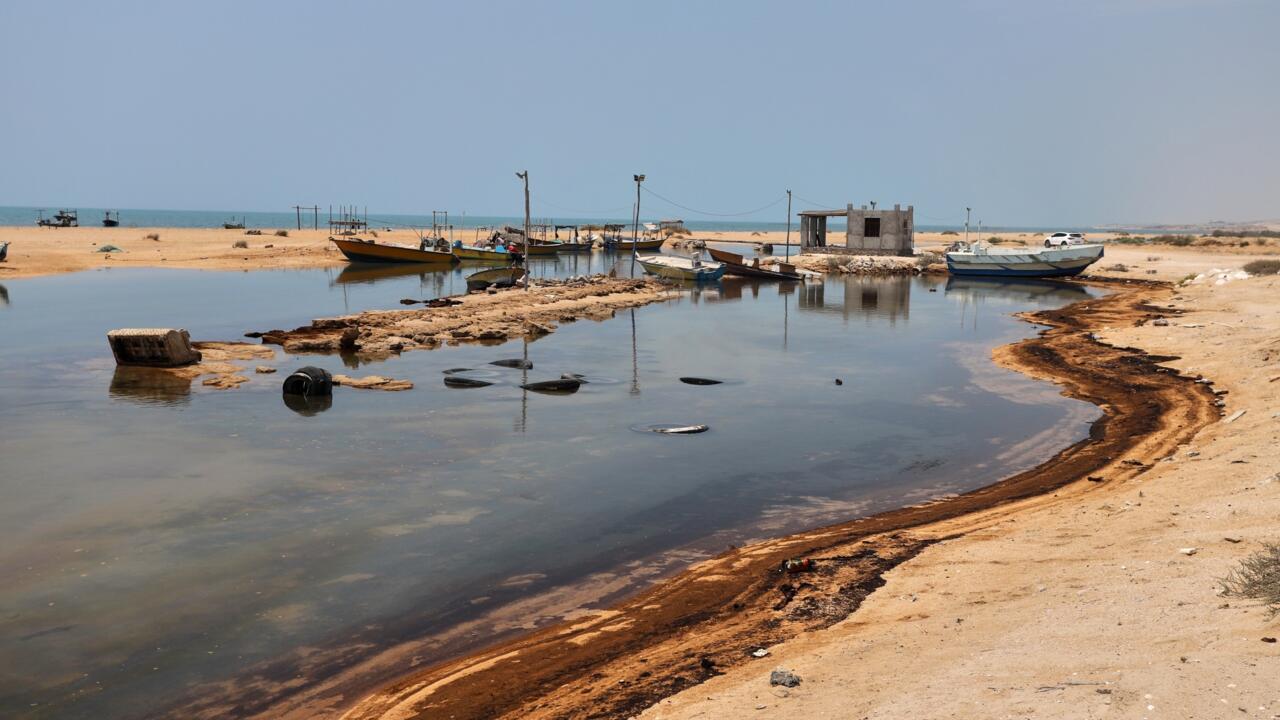
Iran and Oman are holding talks in Tehran to establish an interim agreement for a controlled resumption of navigation in the Strait of Hormuz. According to a joint statement from the two foreign ministries, the negotiations focus on defining a framework for a "temporary corridor" for shipping and a project to clear mines from the waterway. The strait, which has been blockaded by Tehran since late February 2026, remains paralysed as the Middle East war nears its six-month mark.
The talks follow the collapse of a memorandum of understanding signed between the United States and Iran in mid-June. That previous deal had provided for the reopening of the strait and tasked Iran and Oman with defining future administration and maritime services in consultation with Gulf states. With that framework now broken, both nations are working to define jurisdiction, navigation routes, and fee structures for a new arrangement.
Iranian Deputy Foreign Minister Kazem Gharibabadi outlined the proposed operational structure, stating that ships entering the Gulf would pass through Iranian waters, while those leaving would use Omani waters. He indicated that if the interim plan is agreed, the two nations have a window of 30 to 60 days to finalise a permanent route. Gharibabadi also noted that the Iranian Revolutionary Guards are involved in the talks and that the maps under discussion were drawn up by the Iranian armed forces.
The Iranian Revolutionary Guards stated on Wednesday that they have agreed with Oman to share revenues from fees imposed in the strait. This concept of shared revenue was previously rejected by Washington. Omani Foreign Minister Badr Albusaidi expressed hope that the new corridor and practical arrangements to restore safe navigation would be announced soon, adding that future management of the strait and a permanent solution would follow in due course.
The negotiations highlight a divergence in strategic objectives between the two countries. Omani researcher Abdallah Baaboud noted that Oman is seeking to separate freedom of navigation from the wider conflict, aiming for a regional understanding that guarantees navigation collectively. In contrast, Iran conditions the full reopening of the strait on US concessions, including the lifting of sanctions, compensation for war damage, and an end to the war.
Washington has not formally responded to the Iran-Oman joint statement, although it previously reported progress on the issue. US President Donald Trump has repeatedly asserted that the strait is under US control, a claim denied by Tehran. Muscat is currently attempting to maintain its role as an intermediary while avoiding the appearance of full support for Iranian control, a delicate balance that experts say explains the slow pace of the governance and security architecture being negotiated.