Iran and Oman finalise temporary Hormuz corridor, but Tehran holds US to account
A new seven-mile-wide shipping route has been agreed, yet Iran insists the strait remains effectively closed until Washington delivers on sanctions relief and asset releases.
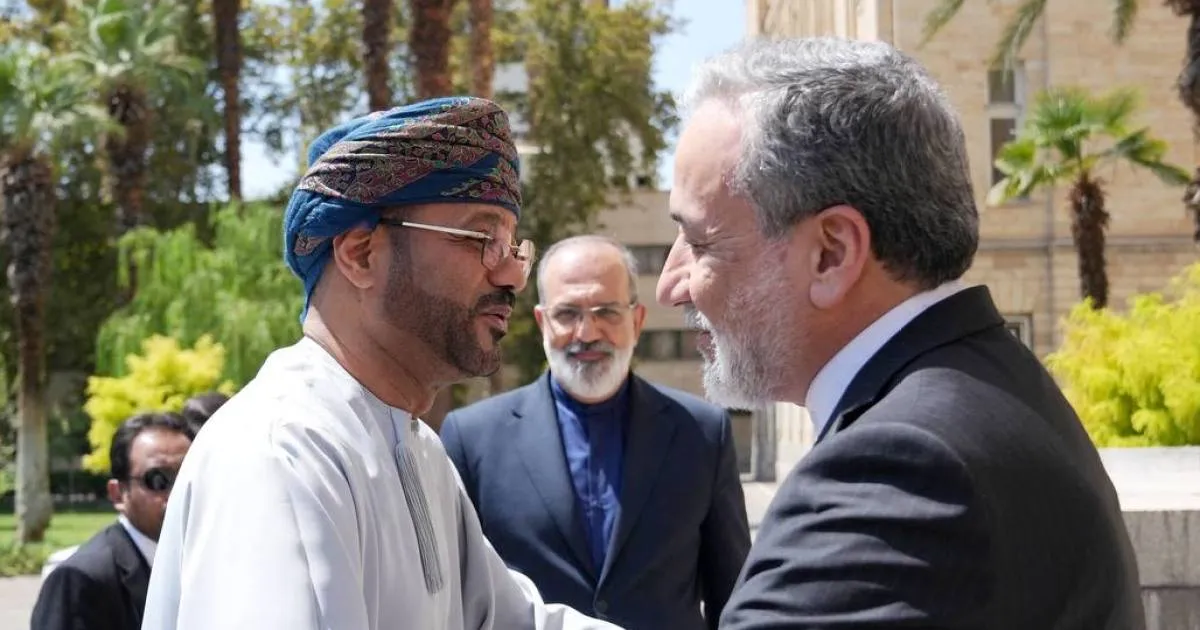
Iran and Oman have reached an agreement on a new temporary shipping route for the Strait of Hormuz, a move that signals a shift in regional logistics but leaves the broader diplomatic impasse with the United States largely intact. The arrangement was announced by Iran’s Deputy Foreign Minister for Legal and International Affairs, Kazem Gharibabadi, following high-level talks in Tehran between Iranian Foreign Minister Abbas Araghchi and his Omani counterpart, Badr Albusaidi.
The agreed transit corridor is seven miles, or 11.3 kilometres, wide. Crucially, the entry point and part of the exit route will traverse Iranian territorial waters, a detail that underscores Tehran’s desire to retain regulatory leverage over traffic in the passage. Gharibabadi described the route as explicitly temporary, with technical talks planned to develop a long-term arrangement involving information sharing and joint navigational and security services.
Despite the progress, Iran maintains that the strait is not yet fully open. Gharibabadi stated that the waterway will not be considered reopened until the United States fulfils its commitments under the June interim peace deal, specifically regarding sanctions relief and the release of frozen Iranian assets. This position frames the current agreement as a specific regulatory measure rather than a blanket restoration of normal shipping conditions.
The agreement comes amid continued volatility in the region. Most shipping in the strait, which previously handled one-fifth of global oil and liquefied natural gas shipments, has been shut down since the US-Israel war on Tehran began in February. An oil tanker was disabled by an unidentified projectile near Oman’s Ash Shishah on Tuesday, highlighting the persistent risks for vessels navigating the area.
Gharibabadi also dismissed claims by US President Donald Trump that all mines in international waters had been cleared, describing the assertion as a move aimed at calming markets. He warned that US mine-detection vessels would become “very good targets” if they entered the area, further complicating efforts to stabilise the waterway.
The diplomatic context remains tense, with Trump recently announcing what he termed the “most crushing economic operation ever” against Iran. Gharibabadi urged other nations to resist US pressure regarding sanctions, predicting that new measures would meet the same fate as previous campaigns.