Iran and Oman finalise draft for temporary Strait of Hormuz navigation route
A proposed two-to-four-month agreement to establish a new maritime traffic model faces significant hurdles, with experts viewing the arrangement as a tactical pause rather than a durable settlement.
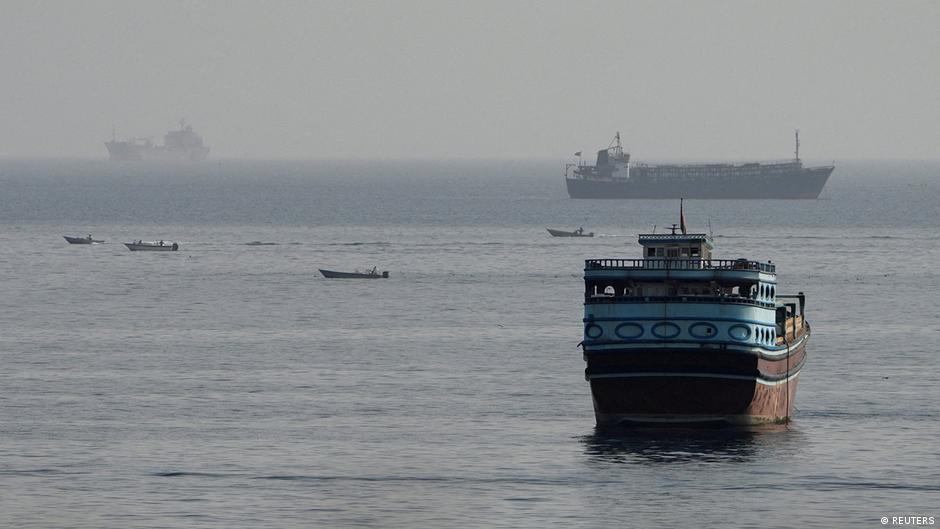
Iran and Oman are in the final stages of drafting an agreement to establish a temporary navigation route through the Strait of Hormuz, a move that Iranian officials say requires an end to the US naval blockade and includes fees for safe passage. Iranian Foreign Ministry spokesperson Esmail Baghaei confirmed the deal is in the "final stage" of review and drafting, provided no external party interferes, noting that the two states have agreed on geographical coordinates for the route.
Deputy Foreign Minister Kazem Gharibabadi clarified that the arrangement would not amount to a full reopening of the strait but would instead establish a new model for maritime traffic. According to reports, the route would be temporary, potentially lasting between two and four months. Baghaei emphasised that even if an understanding was reached, it would not mean the strait had become safe for all passing vessels, citing the continued existence of the US naval blockade and other aggressive actions against Iran.
Industry sources have raised significant doubts about the practical implementation of the deal. Cited by Reuters on Friday, sources stated the arrangement is not easily workable due to US sanctions and restrictive insurance clauses on payments. Furthermore, reports cited by Agence France-Presse suggest Iran planned to block US and Israeli ships from the waterway as part of the deal, a condition that Oman has not publicly supported.
Analysts characterise the potential agreement as a tactical pause rather than a durable settlement, highlighting fundamental disagreements over waterway governance. Babak Dorbeiki, a political analyst, noted that Tehran seeks control over entering vessels while the United States demands completely free passage, positions that cannot easily be reconciled. Security analyst Shukriya Bradost warned that the pause could benefit Washington more than Tehran, allowing the US time to review military strategy and coordinate with regional partners.
Political economy commentator Alireza Salavati suggested that both sides could present the deal as a tactical success domestically. For Tehran, it reinforces leverage over the shipping lane and preserves strategic capabilities, while Washington could portray it as a relief from soaring energy pressures and an opportunity to ease the active phase of conflict. Oman has not publicly commented on the reported agreement, which Iran states was negotiated without US involvement.