Iran and Israel halt military exchanges following US intervention
The White House confirms President Trump intervened to protect peace negotiations, while Israel maintains operations in Lebanon and regional allies escalate hostilities.
Iran and Israel have ceased direct military strikes against each other following an exchange of fire that marked the first such engagement since the April ceasefire. Iran launched approximately 30 missiles at Israel in retaliation for an Israeli strike on a Hezbollah command centre in Beirut, while Israel responded with two waves of air strikes on Iranian military and petrochemical targets. US President Donald Trump intervened, urging both nations to immediately stop hostilities to protect ongoing peace negotiations. Iran’s armed forces confirmed the halt of operations, while an Israeli official stated that strikes on Iran were suspended at the US president’s request, though operations in southern Lebanon would continue.
The escalation began on Sunday when Israel conducted an attack on Beirut’s southern suburbs, killing two people and wounding 20. In response, Iran’s Islamic Revolution Guard Corps announced it had launched ballistic missiles at targets in northern Israel, including the Ramat David airbase. The Khatam ol-Anbiya command later warned Israel against continued attacks, particularly in southern Lebanon where Israeli forces are fighting Hezbollah. Iranian parliamentary speaker Mohammad Bagher Ghalibaf stated that Israeli and US assets were "legitimate targets" due to hostile acts and violations of agreements over Lebanon.
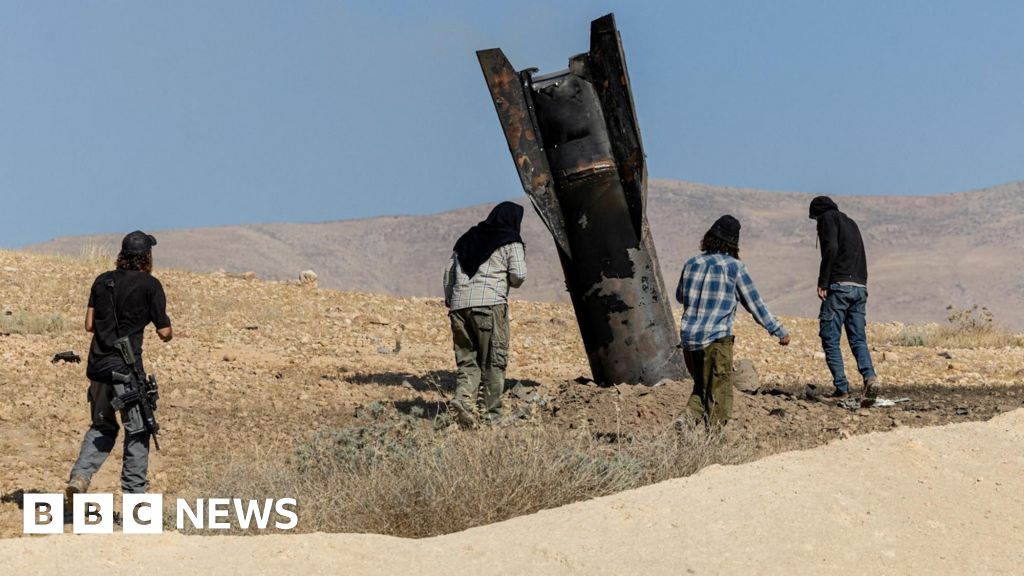
Israel responded with two waves of air strikes on Iranian military and petrochemical targets, including explosions reported in Tehran, Isfahan, Najafabad, and Tabriz. The Israeli military identified its retaliatory targets as aerial defence systems deployed since the start of the ceasefire and a petrochemical complex in Mahshahr, claiming chemicals for ballistic missiles were produced there. Damage was reported to four buildings in an outpost near the Israeli settlement of Itamar in the occupied West Bank following a missile interception.
US President Donald Trump intervened directly, urging both nations to cease hostilities to protect ongoing peace negotiations. The White House confirmed that President Trump called Prime Minister Benjamin Netanyahu to discuss the crisis. Axios reported that Prime Minister Netanyahu was told not to retaliate by President Trump, who was already angry about the Beirut strike. Trump indicated that final peace negotiations were proceeding, though he cautioned that progress remained subject to ignorance or stupidity.
While the direct exchange between Iran and Israel has paused, regional tensions remain high. Yemen’s Houthis, an ally of Iran, announced a missile attack on Israel and declared a "total ban on Israeli maritime navigation" in the Red Sea. The incident marks the first direct military engagement between Iran and Israel since a fragile ceasefire was established in early April 2026. The current halt in attacks provides a brief window for diplomatic engagement, but the underlying causes of the conflict, including the Beirut strike and the broader regional instability, persist.