IP68 water resistance ratings misleading for smartphones
The Ingress Protection standard allows manufacturers to set variable depth limits, while warranties typically exclude liquid damage, urging experts to advise against submersion entirely.
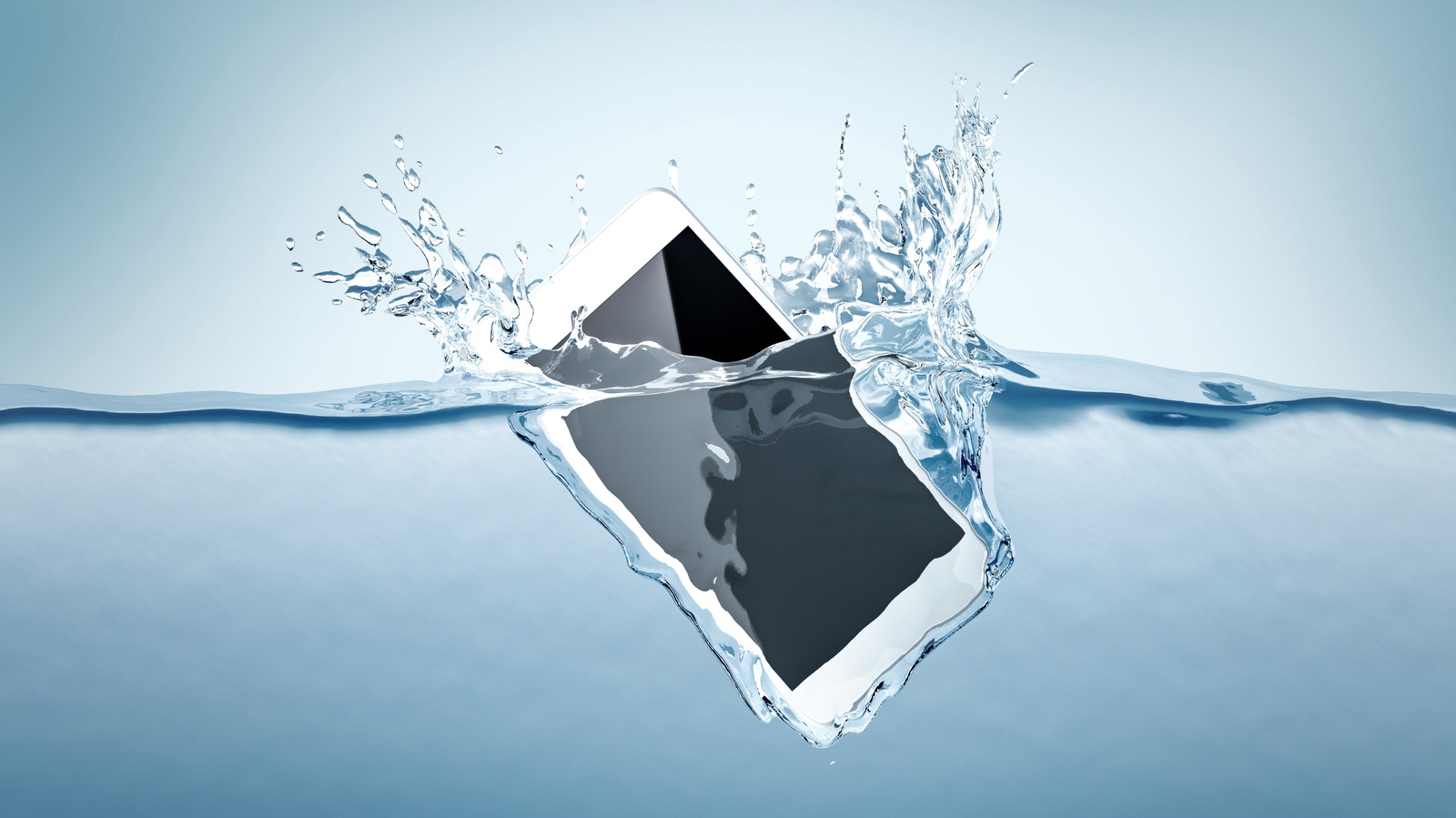
Recent reporting by Engadget indicates that IP68 water resistance ratings on smartphones are frequently misunderstood by consumers, failing to guarantee protection against real-world conditions such as chlorine, saltwater, or impact damage. The International Electrotechnical Commission established the Ingress Protection system, where the first digit denotes resistance to solid matter and the second indicates water resistance. While an IP68 rating suggests a device can withstand submersion, the standard permits manufacturers to define specific depth and duration limits that vary significantly between devices.
Testing conditions for IP ratings are conducted using pure, still, cool water on brand-new devices, a scenario that differs markedly from actual usage involving impurities, movement, or physical trauma. For instance, newer iPhones may survive depths of up to six meters for 30 minutes, whereas older models might handle only two to four meters, despite both carrying the same IP68 designation. This variability means that a device may meet the bare minimum technical qualifications for the rating without offering robust protection in dynamic environments.
Warranties typically exclude water damage, even for devices that explicitly advertise ruggedness, such as the OnePlus line. Experts advise avoiding submersion entirely, noting that the technicalities of the rating system do not account for the cumulative effects of daily wear. Even minor, imperceptible damage from impacts can degrade a phone's ability to resist water, rendering the initial rating ineffective over time.
The confusion is further compounded by the existence of IP69-rated devices, which are uncommon in the smartphone market. While the ninth digit indicates resistance to high-pressure, high-temperature water jets, it offers no additional protection for submersion. Consequently, consumers seeking to use their phones in pools or other bodies of water face significant risk, as the rating does not translate to waterproofing in practical scenarios.
Engadget’s analysis underscores that claims of phones being "waterproof" should be viewed with caution, as IP68 indicates water resistance rather than complete immunity to liquid. The report highlights that the discrepancy between controlled laboratory tests and real-world hazards leaves many users vulnerable to costly repairs. As the technology sector continues to market durability, the gap between marketing claims and technical reality remains a critical consideration for consumers.