Investigation finds AAU failed to implement child protection reforms, leaving youth athletes at risk
A decade after pledging historic safety measures following a scandal involving its former president, the Amateur Athletic Union has not barred coaches suspended by other bodies, suppresses abuse allegations through confidential arbitration, and offers training that experts say does not meet legal requirements.
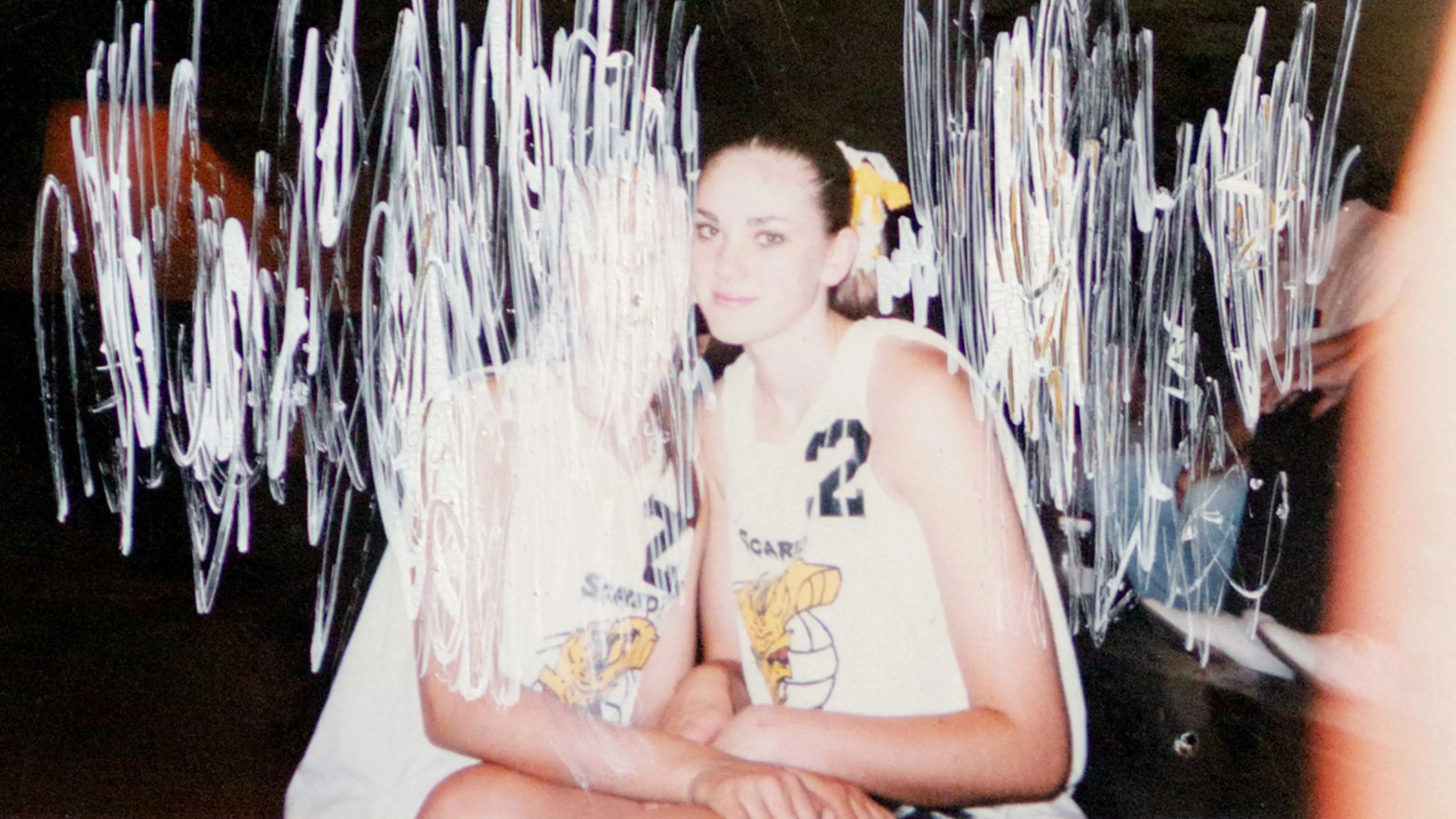
A joint investigation by ProPublica and The Washington Post has found that the Amateur Athletic Union (AAU) has failed to implement promised child protection reforms, leaving hundreds of thousands of young athletes at risk of sexual abuse. The report alleges the AAU misleadingly claims to offer mandatory abuse prevention training, fails to verify coach compliance, and acts as a refuge for coaches banned or suspended by other sports organisations.
The AAU, which operates outside the US Center for SafeSport oversight system, has been accused of suppressing abuse allegations through confidential arbitration clauses and an untrained internal review board. Despite pledging historic reforms in 2012 following a scandal involving its former president, Bobby Dodd, the organisation has not barred coaches banned by other groups or adequately investigated misconduct claims.
ProPublica and The Post identified eight coaches who continued to work with children under the AAU in the last five years after being banned or suspended by other youth sports organisations. The AAU’s director of compliance, Aaron Oandasan, declined to verify if specific coaches had been background-checked as required by AAU rules. The organisation’s revenue grew from $20 million annually before 2015 to nearly $44 million in 2024, with cash reserves tripling since 2019.
The AAU’s current training provider, the Positive Coaching Alliance, stated its course is not built to satisfy Safe Sport Act requirements and consists of “a few slides with resources.” The AAU quietly changed its website to state that coach training is “encouraged” rather than “mandatory” after being questioned by journalists. A former AAU review board member, Peg Adams, stated that the board “just decided on our feelings” regarding bans, with no written rules used to decide whether a coach should be allowed to return to working with children.
The AAU attempted to force sex abuse claims into confidential arbitration as recently as 2024, including in a case involving a teenage girl in Florida. The investigation highlights how the organisation’s lack of federal oversight allows it to benefit from gaps in the law, maintaining a reputation as a place where coaches can escape discipline from other governing bodies.