Internal rift over Israel policy fractures Democratic Party ahead of 2028 election cycle
Support for Israel, once an untouchable pillar of American politics, has become a source of significant division within the Democratic Party. As Vice President Kamala Harris considers another run for the presidency in 2028, the party faces a critical challenge in aligning its platform with the expectations of a rapidly shifting voter base.
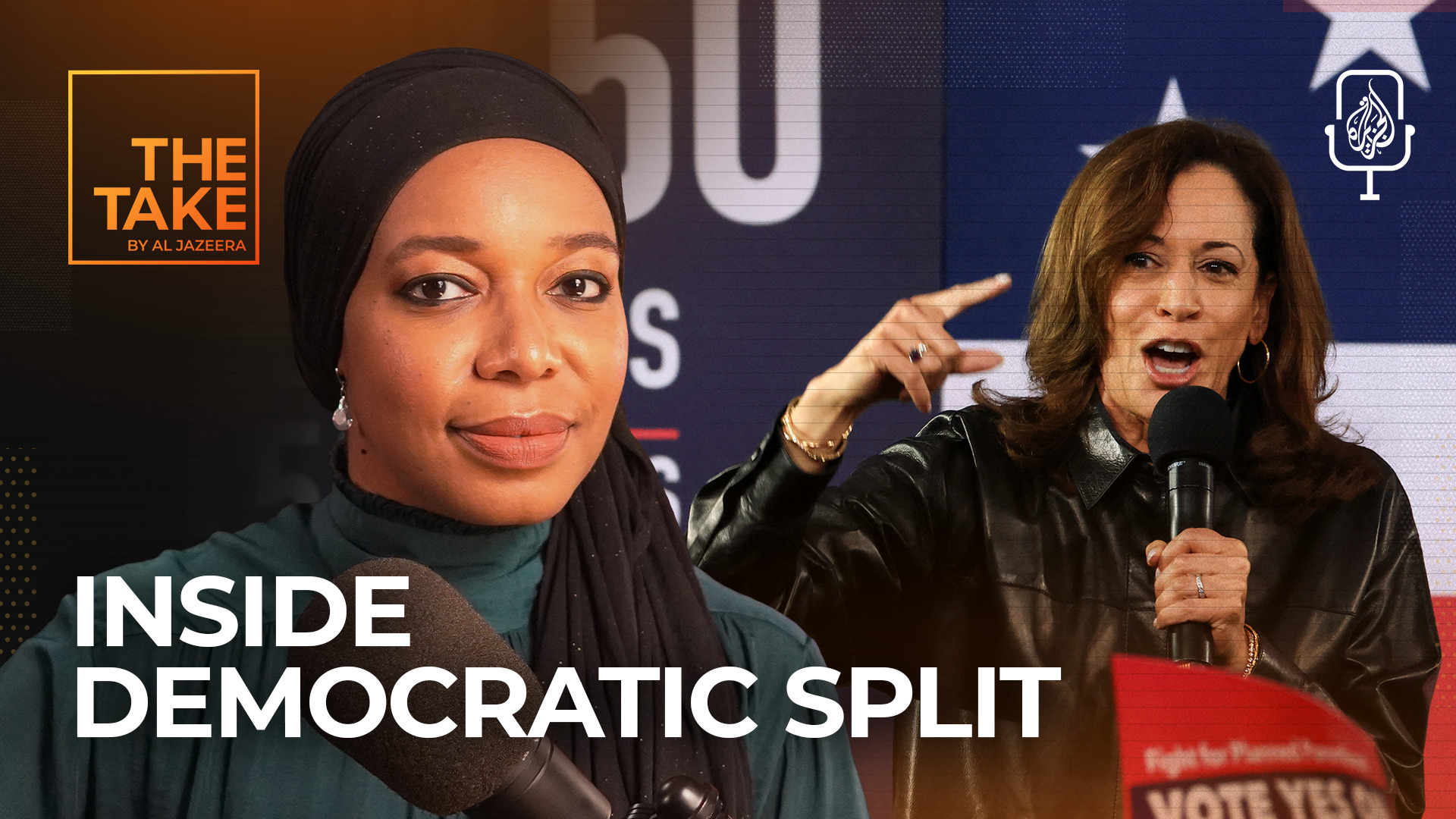
A recent report indicates that the current division regarding Israel policy may have cost the Democratic Party votes during the 2024 election. This finding suggests that the party's ability to meet the expectations of its constituents has been compromised by internal disagreements on a previously consensus-driven issue. The report highlights a dramatic shift in the political landscape, where a stance once considered untouchable is now a point of contention.
The debate has emerged prominently as Vice President Kamala Harris weighs a potential presidential campaign for the 2028 election. This timing places the policy split at the forefront of the party's strategic planning, raising questions about its capacity to navigate the evolving geopolitical and domestic political environment. The narrative underscores a departure from historical norms, where support for Israel served as a unifying factor across the American political spectrum.
With the 2024 election results now serving as a benchmark for future performance, the Democratic Party is under pressure to redefine its approach to foreign policy. The uncertainty surrounding the magnitude of the vote loss attributed to this split remains a key concern for party strategists. As the party looks toward the 2028 election, the challenge lies in reconciling traditional alliances with the demands of a base that has altered its expectations significantly.
The implications of this policy fracture extend beyond the immediate election cycle, potentially reshaping the party's long-term governance strategy. If the division persists, it could hinder the party's ability to present a coherent vision on international issues, which are increasingly central to voter decision-making. The report serves as a stark reminder that political consensus is not permanent and requires constant recalibration to remain effective.
As the Democratic Party moves forward, the focus will be on whether it can successfully adapt its platform to reflect the current reality of its voter base. The outcome of this internal struggle will likely determine the party's electoral prospects in the coming years. For now, the division over Israel policy stands as a defining feature of the party's internal dynamics as it prepares for the next major election.