Internal pressure mounts on Keir Starmer as Labour faces electoral setbacks
The ruling party's leadership is tested as Reform UK and the Greens gain ground, prompting calls for an orderly transition of power despite Starmer's pledge to fight any challenge.
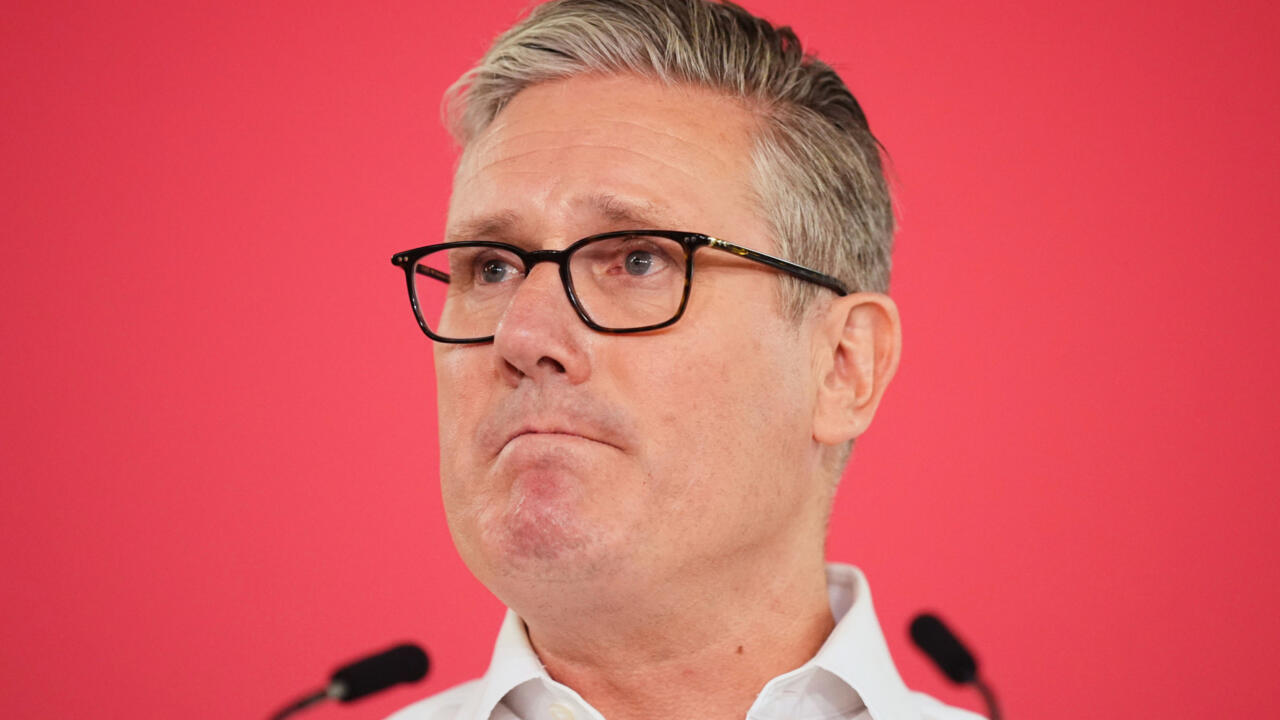
Calls for British Prime Minister Keir Starmer to resign intensified on Monday after the ruling Labour party suffered significant losses in local and regional elections. More than 70 Labour MPs have reportedly urged the Prime Minister to step aside, a move that would require the support of 81 MPs to trigger a formal leadership contest under party rules. This internal dissent includes four government aides who have resigned from their posts, citing a loss of public trust and authority.
Among those leading the charge for new leadership are senior ministers and former officials. Foreign Secretary Yvette Cooper and Interior Minister Shabana Mahmood have reportedly told Starmer he should oversee an orderly transition of power. Additionally, four aides who have resigned, including Joe Morris, Tom Rutland, Melanie Ward, and Naushabah Khan, have publicly stated that the Prime Minister no longer possesses the confidence of the public to lead the necessary changes.
In response to the mounting pressure, Starmer acknowledged public frustration in a speech on Monday, promising a bigger response to economic growth, energy issues, and European ties. He pledged to fully nationalise British Steel and issued a strong condemnation of Brexit, stating it has left the UK poorer, weaker and less secure. Despite these commitments, he firmly rejected the calls for his resignation, warning the party against the chaos experienced by the previous Conservative government.
The political landscape has shifted significantly following recent election results, which saw substantial gains for the hard-right Reform UK party and the left-wing Greens. Labour also lost control of the Welsh parliament to Plaid Cymru for the first time since 1999 and failed to make ground against the Scottish National Party. These electoral defeats have emboldened internal critics, with some MPs now collecting names to set a timetable for a new leader election in September.
The government faces scrutiny over several issues, including the appointment and subsequent sacking of Peter Mandelson as UK ambassador to Washington due to his past ties to Jeffrey Epstein. While Starmer has resisted US President Donald Trump over Iran, he has not yet spurred the economic growth needed to help citizens struggling with the cost of living. The situation continues to evolve as the internal dynamics of the party leadership are tested against the backdrop of recent electoral disappointment.
Starmer, who came to power in July 2024 following a landslide victory that ended 14 years of Conservative rule, has pledged to fight any leadership challenge. He warned that Labour would never be forgiven by voters if it imitated the instability of the previous administration, which saw five prime ministers since 2010. However, with over 70 MPs and senior figures demanding his departure, the Prime Minister's position remains precarious as the party seeks to rebuild trust and deliver on its promises.