Integrity of Israel’s October 2026 election under scrutiny amid political interference fears
President Isaac Herzog warns against crossing “red lines” while opposition and coalition members alike question the Central Elections Committee’s independence and funding.
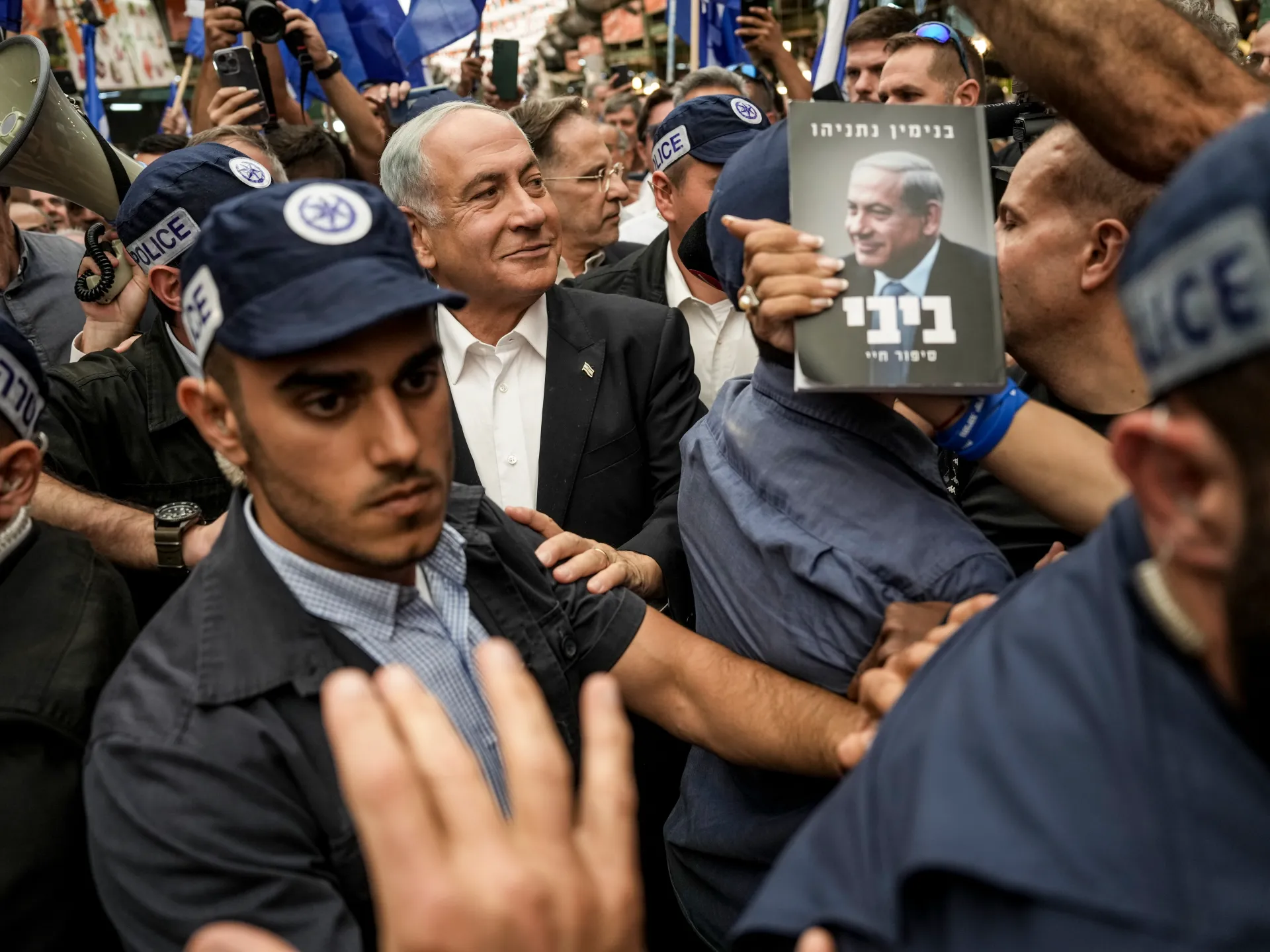
Concerns regarding the integrity of Israel’s general election, scheduled for 27 October 2026, have intensified as politicians, civil society groups, and President Isaac Herzog warn of potential political interference. A poll by the Israel Democracy Institute indicates that 70 per cent of Jewish Israelis fear risks to the election's integrity, while 43 per cent remain optimistic about the future of democratic rule. The vote will determine the country’s next government and prime minister, with Benjamin Netanyahu seeking re-election amid allegations that his administration is attempting to entrench its power.
President Herzog has urged candidates not to cross "red lines" during the campaign, citing threats of violence and internecine infighting. In a televised address, he called on elected representatives and activists to treat rivals as political opponents rather than enemies, emphasising that elections are not a civil war. These warnings follow meetings with the heads of the electoral commission and the internal security service, Shin Bet, highlighting the administration's anxiety over the stability of the upcoming democratic process.
The governing coalition continues efforts to reduce judicial oversight, a policy initiative that has bitterly divided the nation since 2021. Simultaneously, Prime Minister Netanyahu is seeking to defer an independent inquiry into the October 2023 Hamas-led incursions, which led to significant criticism of his handling of security issues. Critics argue that these moves, combined with international scrutiny of Israel’s military campaigns in Gaza and the West Bank, create a volatile environment for the upcoming legislative elections.
Internal dissent has emerged within Netanyahu’s Likud Party regarding the appointment of Dean Livne as acting head of the Central Elections Committee. MK Avichay Buaron described Livne as “clearly politically biased,” while Diaspora Affairs Minister Amichai Chikli stated that his appointment casts “a heavy shadow” over the election’s integrity. The coalition has also cut the committee’s budget by 50 million New Israeli Shekels, despite warnings from experts about the risks posed by foreign interference and artificial intelligence in the voting process.
Allegations of restricted voting access have further complicated the electoral landscape. Concerns have been raised regarding limitations on voting for care home residents and overseas voters, with accusations that the office of Transportation Minister Miri Regev may limit flights into Ben Gurion Airport before election day. Israeli Member of the Knesset Ofer Cassif warned that pro-government militias are already harassing judges and anti-government activists, suggesting that the potential for violence and suppression of voting in areas with large Palestinian populations is a tangible threat.