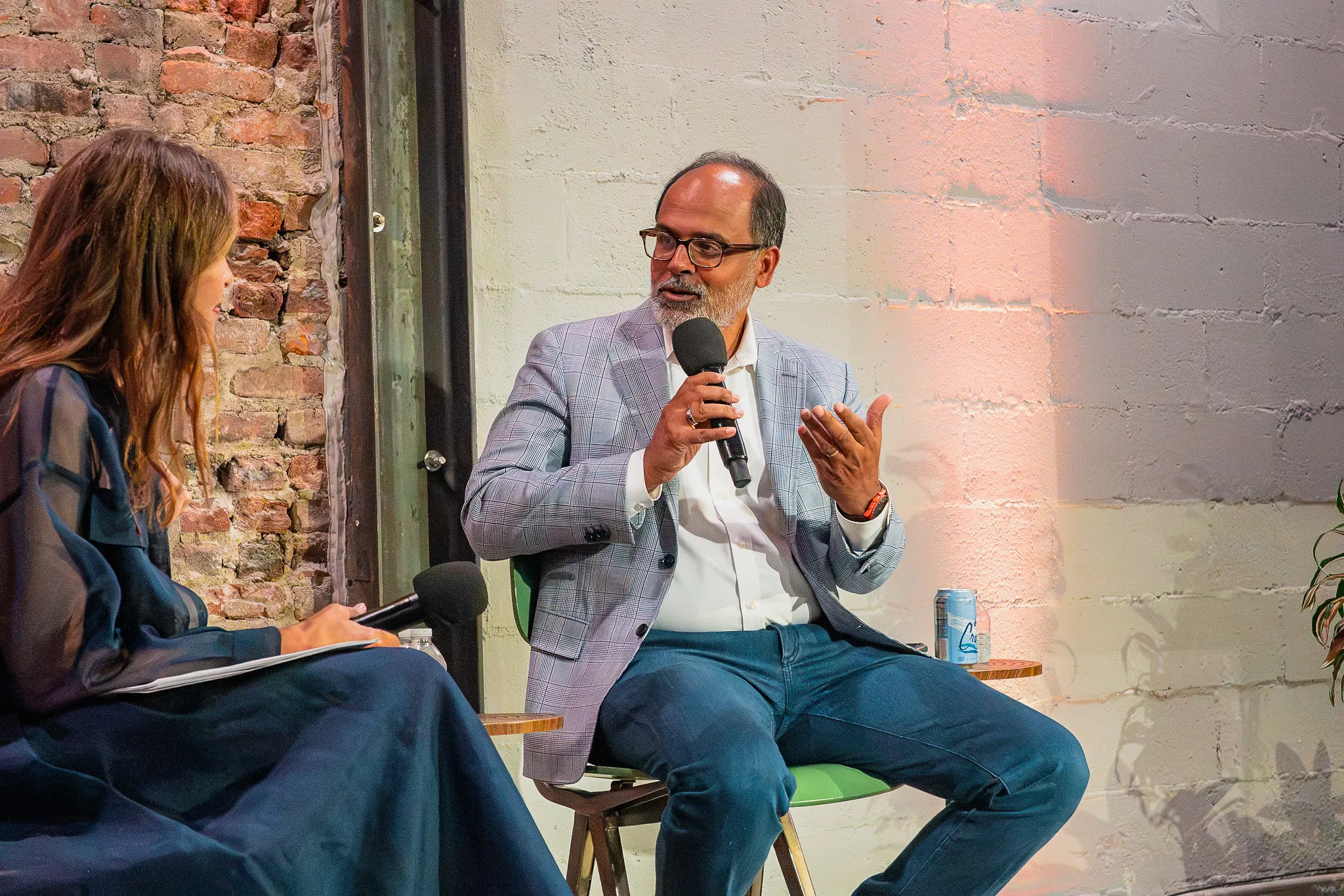
Instagram chief Mosseri testifies in high-stakes Meta addiction trial
The first senior executive to take the stand claims he was unaware of internal efforts to limit his exposure to sensitive teen safety data, as states seek up to $1.4 trillion in penalties.
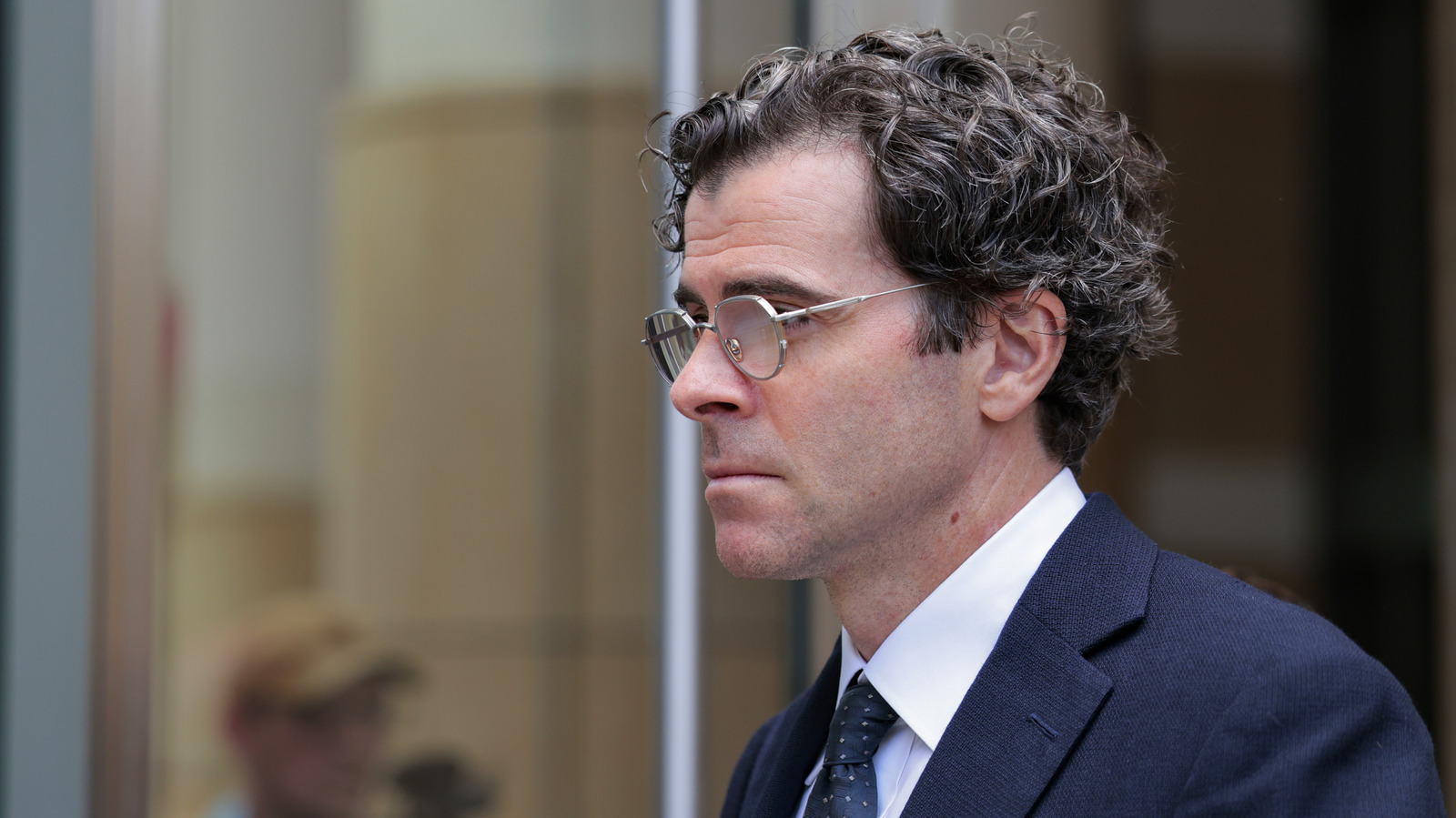
Adam Mosseri, head of Instagram, has become the first high-profile executive to testify in a landmark trial against Meta regarding social media addiction and children's privacy. The proceedings, brought by attorneys general from dozens of states, allege that Meta intentionally designed its platforms to hook young users despite internal research indicating potential harm. Mosseri’s testimony marks a significant escalation in the legal battle, which could result in penalties as high as $1.4 trillion and force structural changes to the company’s app design.
During his appearance, Mosseri stated it was "news to me" that Instagram employees had been instructed by a company lawyer to limit his exposure to specific teen safety data. This data included statistics on suicide and self-injury content. Mosseri testified that he had never participated in conversations about moderating his own access to information, describing the role of lawyers as ensuring document accuracy and legal compliance rather than filtering facts from leadership.
Internal documents surfaced during the trial reveal the scale of the issue. A 2023 slide deck prepared by Instagram designers indicated that content related to suicide, self-injury, and eating disorders had a teen audience 2.5 times larger than the adult audience. Furthermore, content deemed "non-recommendable" to teens was viewed by them at a rate 1.5 times higher than adults. Messages shared in court suggest a lawyer advised employees to remove these statistics to limit Mosseri's exposure, a move Mosseri said he was not aware of.
Francesco Fogu, Instagram's Director of Product Design, also took the stand. He testified that he was "surprised" to be told to hide data from leadership, though he was permitted to communicate the figures vocally. Judge Yvonne Gonzalez Rogers pressed Fogu on the low adoption rates of Instagram's "take a break" feature, noting that Fogu, as a senior leader, did not know the highest adoption rate the tool had ever achieved. Fogu responded that he did not create the data dashboards and trusted his team.
The efficacy of the "take a break" tool has been a central point of contention. Meta data indicates that only 1.8 percent of Instagram users initially opted into the feature after its introduction in 2021. Former data scientist George Volichenko described the adoption rate as "very low and disappointing," with early findings showing only 0.165 percent of teens opting in. Volichenko characterised the feature as "easy to dismiss." Mosseri, when pressed on the tool's performance, expressed frustration with the focus on a single feature, noting that Instagram's teen accounts now have time limits enabled by default.
The trial is expected to continue with further testimony from current and former employees. CEO Mark Zuckerberg is anticipated to appear as a witness in the coming days. For investors and institutions, the outcome of this case may signal broader regulatory risks for tech giants relying on user engagement metrics, particularly regarding the monetisation of younger demographics.