INDYCAR crews recalibrate for surface irregularities at Washington D.C. street circuit
Teams are adjusting ride heights and shock absorbers to manage significant bumps on the 1.7-mile Freedom 250 course as the series prepares for Sunday's race.
INDYCAR drivers completed their initial practice sessions on the 1.7-mile street course in Washington, D.C., revealing a surface that is technically demanding and physically taxing. The circuit, which incorporates Pennsylvania, Constitution and Independence Avenues, features significant irregularities, particularly heading into Turns 2 and 6. These conditions have prompted teams to prioritise mechanical adjustments over purely aerodynamic considerations in the lead-up to the 147-lap, 250-mile Freedom 250 race scheduled for Sunday.
Series points leader Alex Palou acknowledged the severity of the surface, noting that the bumps were more exaggerated than anticipated. While comparing the conditions to other street circuits such as Detroit, Palou indicated that the team would focus on achieving better balance in the corners rather than solely mitigating the impact of the road surface. He suggested that subtle changes in lane positioning might offer some relief, though the irregularities are unlikely to disappear entirely.
The physical toll of the course was evident among the drivers. British driver Louis Foster reported a sore back after the first session, highlighting the strain the rough surface places on competitors. Foster and other drivers noted that raising the ride height and adjusting the shocks are key strategies to improve car handling. These setup changes are critical for managing the vehicle's stability on a track where the surface quality varies significantly.
Marcus Ericsson, the most recent INDYCAR winner after his victory in Markham, Toronto, described the course as challenging but enjoyable. The former Formula 1 driver emphasised the need for drivers to understand and utilise the track's characteristics, such as placing the car in areas where the bumps are less severe. Ericsson’s comments reflect a broader consensus that adaptation is the primary strategy for success on this particular street layout.
Weather conditions also played a role in the preparation phase. Early morning rain forced the first practice session to commence in damp conditions, although the track dried quickly. The humidity remains a factor that drivers and teams must contend with as they finalise their setups for the race. The combination of surface irregularities and atmospheric conditions adds a layer of complexity to the technical challenges presented by the course.
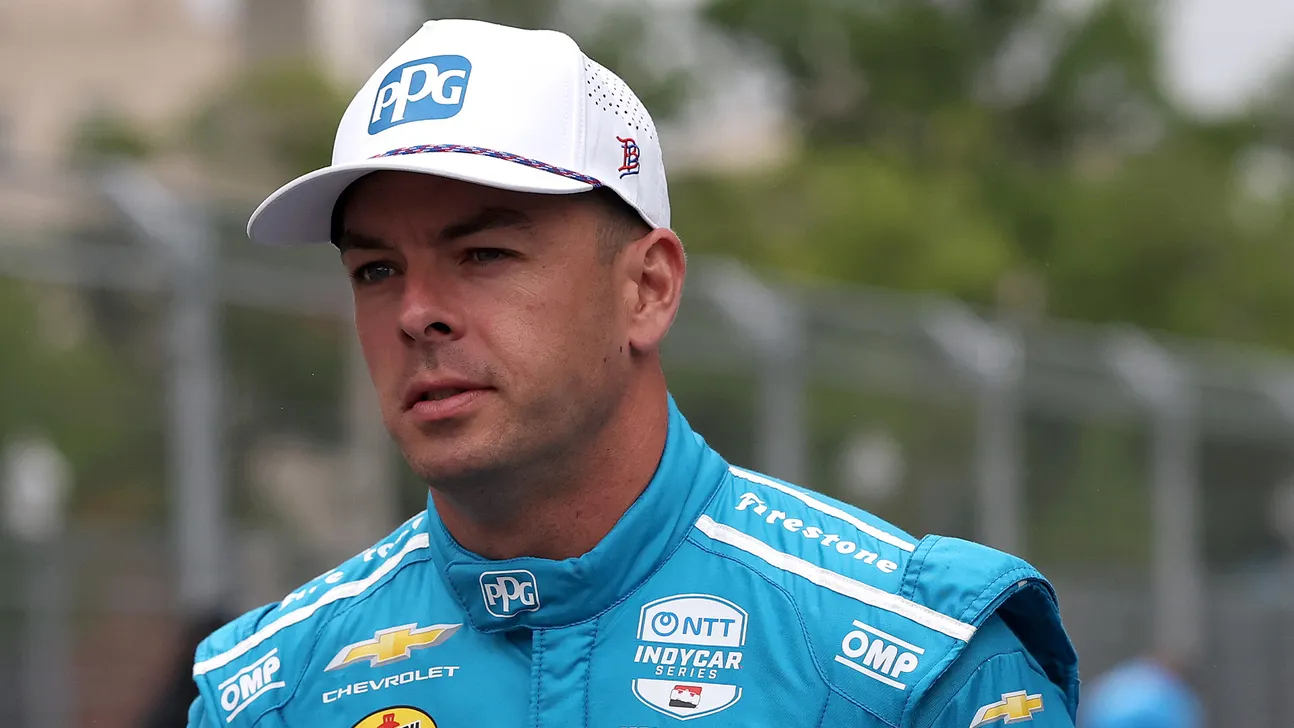
The event offers a distinct backdrop for the series, with the U.S. Capitol and the Washington Monument visible from the track. Despite the technical difficulties, drivers including Scott McLaughlin described the experience as positive, citing the technical nature of the short circuit as a key aspect of the challenge. The teams now have the remainder of the weekend to refine their approaches before the race begins.