Indonesian bays confirmed as year-round sanctuaries for endangered whale sharks
New research from Frontiers in Marine Science identifies Cenderawasih and Saleh bays as permanent aggregation sites, prompting calls for a dedicated protected area to counter pollution and tourism threats.
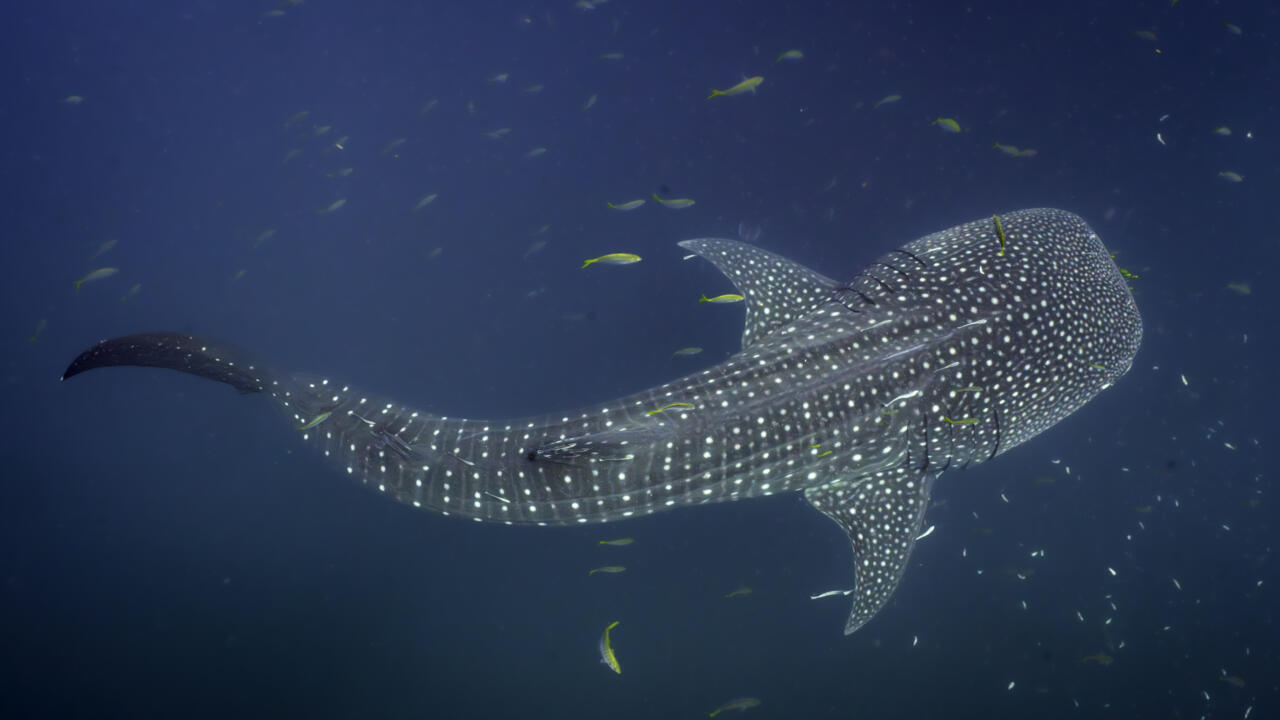
A decade-long monitoring effort tracking 70 Indo-Pacific whale sharks has fundamentally altered the understanding of the species' movement patterns off the coast of Indonesia. Published in the journal *Frontiers in Marine Science*, the study confirms that Cenderawasih Bay in Papua province and Saleh Bay in Sumbawa function as year-round hotspots, contradicting long-held assumptions that these animals only congregate at such locations during specific seasons.
The research, led by Mochamad Iqbal Herwata Putra of the NGO Konservasi Indonesia, reveals that the tagged sharks treated these bays as permanent home bases rather than temporary stops. Data collected over ten years, with some individuals monitored for nearly three years, showed the sharks moving through the waters of 13 different countries and the high seas before returning to these specific Indonesian locations. The consistency of their presence suggests these bays offer critical advantages, including protection from predators and abundant food sources such as krill.
While Cenderawasih Bay already holds the status of a protected national park, the situation in Saleh Bay presents a more pressing governance challenge. Unlike its northern counterpart, Saleh Bay currently lacks formal protection despite facing significant environmental pressures. The bay is situated in a region with growing corn production on land and expanding aquaculture at sea, both of which contribute to pollution through pesticide runoff and sedimentation that degrades water quality.
Mass tourism and interactions with fishing vessels remain additional threats to the population, which faces the risk of vessel strikes and strandings. Indonesia hosts approximately 60 per cent of the global Indo-Pacific whale shark population, making the preservation of these habitats a matter of significant regional importance. The study notes that while the species is a shark and not a whale, its endangered status necessitates rigorous conservation measures to ensure survival.
In response to the findings, Konservasi Indonesia is actively negotiating with the Indonesian government to establish the country's first whale shark-specific marine protected area in Saleh Bay. The initiative aims to address the unique vulnerabilities of the site, where the combination of popular tourism and industrial activity creates a high-risk environment for the animals.
Conservationists hope to see the new protected area implemented later in 2026, a timeline that aligns with the urgency of the data presented. The study provides the scientific evidence required to justify this policy shift, moving beyond seasonal management strategies to secure these waters as permanent sanctuaries for the endangered species.