Indonesia death toll rises to 68 as earthquake response falters in East Nusa Tenggara
Authorities in eastern Indonesia are grappling with a revised death toll of 68 and over 200 injuries following a powerful earthquake that has disrupted Independence Day celebrations and triggered nearly 1,600 aftershocks.
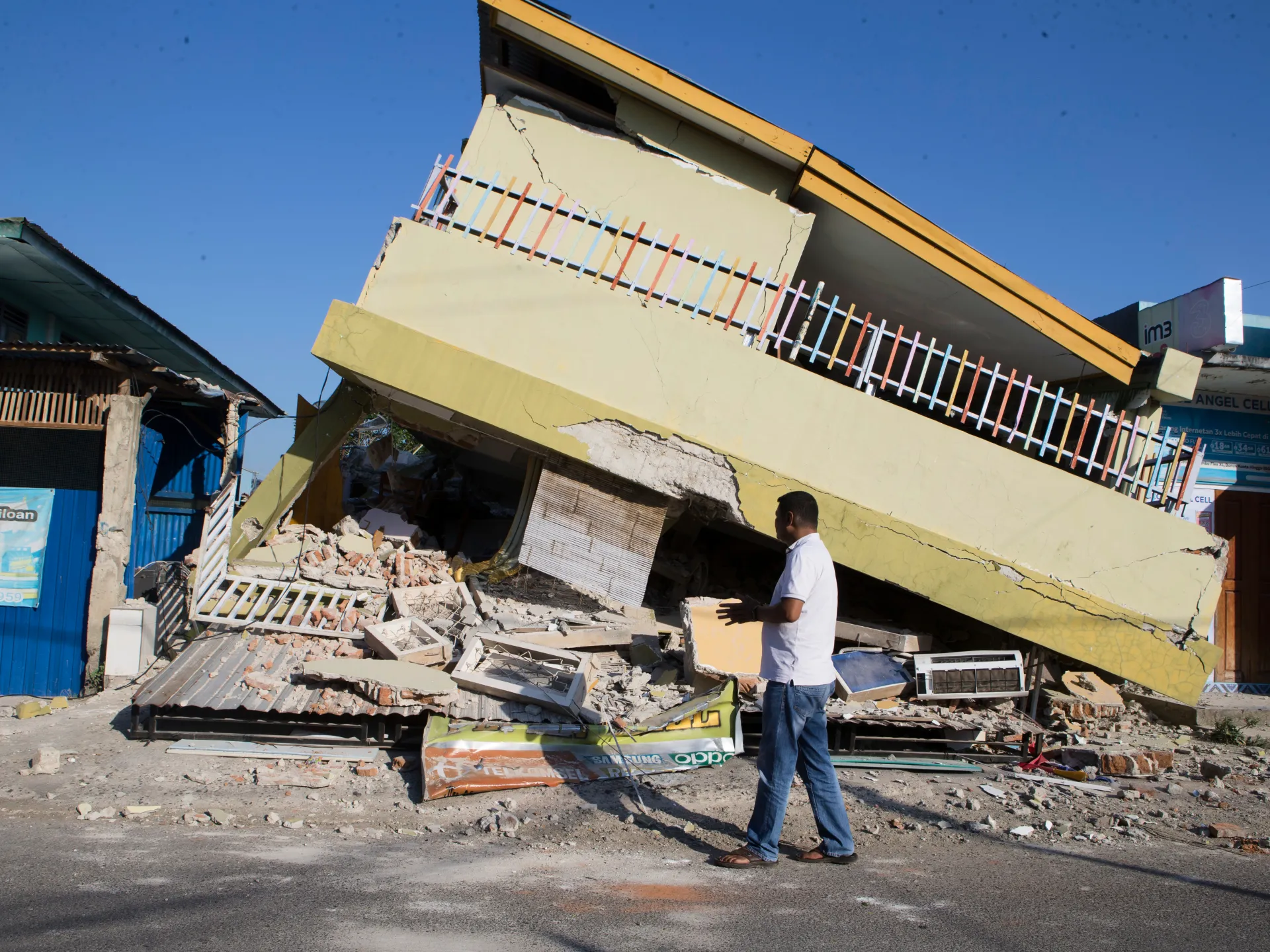
The death toll from a powerful earthquake in eastern Indonesia has been revised upwards to at least 68, with more than 200 people injured, according to late Monday figures from the National Disaster Management Agency (BNPB). Berton SP Panjaitan, an agency official, confirmed the updated casualty count, which represents a significant increase from the initial report of 54 fatalities.
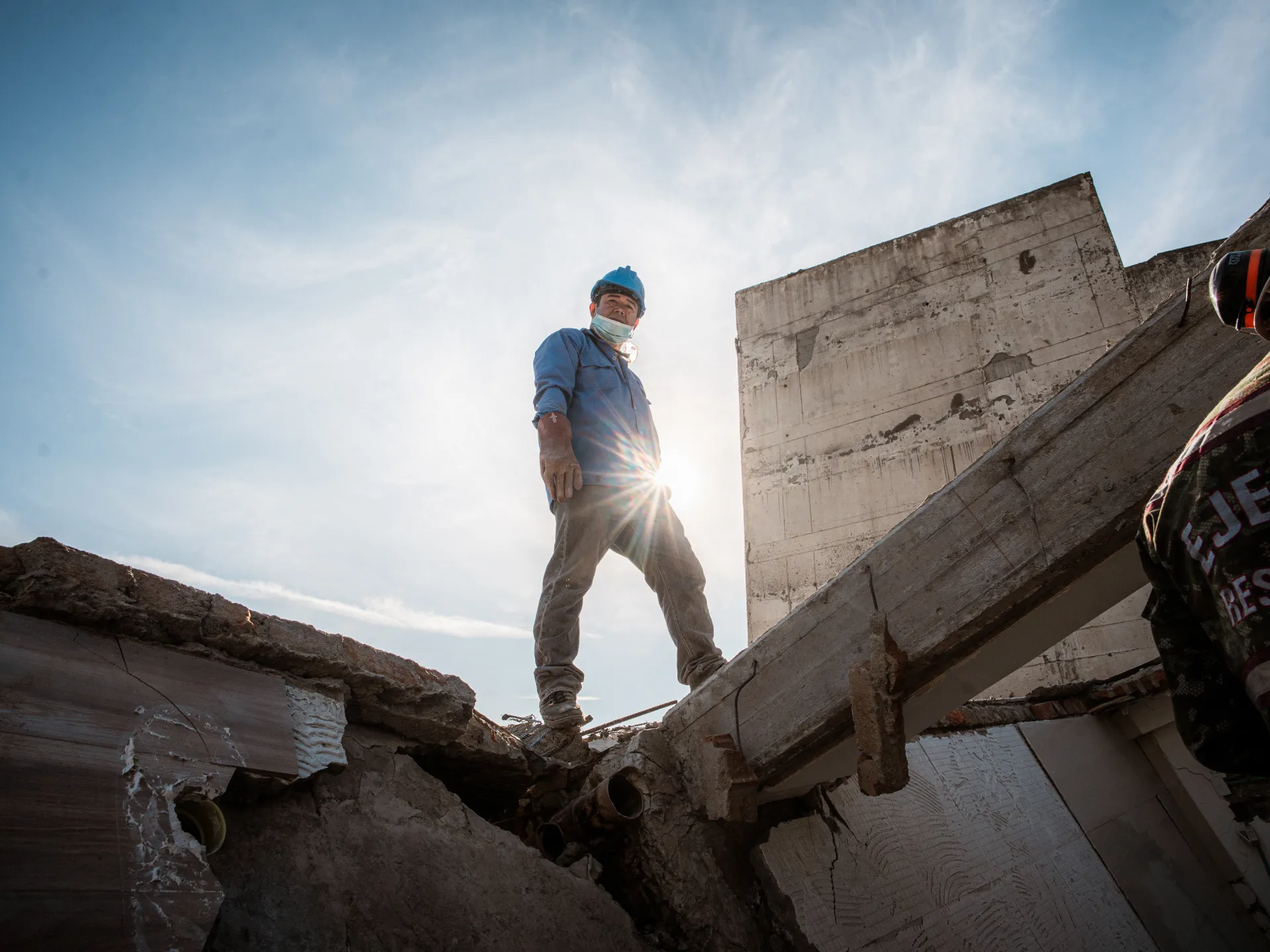
Rescue operations remain ongoing as teams search through collapsed buildings for survivors believed to be trapped beneath the rubble. However, the response has been severely complicated by a cascade of secondary hazards, including landslides and blocked roads that have impeded access to affected areas. The geophysics agency recorded a magnitude 5.6 tremor in the region on Monday morning, which triggered the widespread structural damage and subsequent logistical challenges.
The disaster has cast a grim shadow over Indonesia’s Independence Day celebrations, with thousands of residents forced to evacuate their homes. Many are currently sheltering in tents, reluctant to return to damaged structures due to persistent fears of further seismic activity. As of Monday, residents in East Nusa Tenggara province had experienced nearly 1,600 aftershocks, creating an environment of sustained uncertainty and disruption.
Infrastructure damage has been particularly acute in the districts of Sikka and Manggarai within the southernmost province. The BNPB reported that approximately 500 homes have been damaged, necessitating a large-scale humanitarian response. Authorities have readied aircraft to deliver essential supplies, including food and tents, to these hard-to-reach communities where ground transport remains compromised.
This event marks the country’s deadliest disaster since a major earthquake in West Java in 2022 that killed hundreds. While the current death toll stands at 68, the figure remains subject to change as verification continues and rescue teams gain better access to remote zones. The immediate focus for authorities remains stabilising the humanitarian situation amidst the ongoing aftershock sequence.