India’s Spin Vulnerability Exposed Ahead of Sri Lanka Test Series
With Jasprit Bumrah ruled out and key pacers unavailable, India faces a critical two-Test series in Galle and Colombo where spin is expected to dominate.
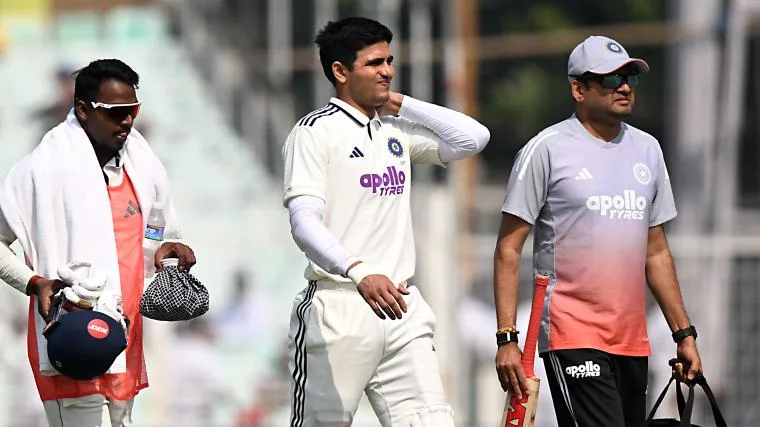
India enter a two-Test series against Sri Lanka in Galle and Colombo facing significant structural concerns regarding their performance against spin bowling. The team has suffered two consecutive home series defeats under coach Gautam Gambhir, first to New Zealand in 2024 and subsequently to South Africa in 2025. Both losses highlighted a batting lineup that historically dominated spin but has recently displayed marked vulnerability against high-quality turn.
The Indian squad is further weakened by a growing injury list, compounding the pressure on the remaining players. Fast bowler Jasprit Bumrah has been ruled out of the entire series, while Washington Sundar, Harshit Rana, and Nitish Kumar Reddy are missing due to fitness issues. Mohammed Siraj is set to lead the bowling attack in the absence of key pacers, forcing a reliance on a spin-heavy approach.
Sri Lanka’s captain, Dhananjaya de Silva, has identified India’s recent struggles as a strategic opening. De Silva anticipates that the Galle pitch may initially assist batters due to recent rain and humidity, but expects the surface to deteriorate and favour spinners from the third day onwards. This assessment aligns with broader expectations that the conditions in Galle and Colombo will be inherently spin-friendly.
India’s squad selection reflects the severity of the threat, with management prioritising spin options by including Kuldeep Yadav, Manav Suthar, and Saransh Jain. Historical data underscores the urgency of this shift; India conceded 37 wickets to spin in the series against New Zealand and 14 wickets to spin against South Africa. In the series against South Africa, pacers historically accounted for 85 per cent of dismissals, making the recent spike in spin wickets a notable anomaly.
The exact nature of the pitch on match day remains uncertain due to variable weather conditions. It is unclear how India’s batting lineup will adapt to the specific conditions of the Galle surface, despite their historical prowess. However, Sri Lanka’s confidence stems from their understanding of how quickly a pitch that looks inviting on the first morning can begin asking different questions by the third day.