India’s dengue crisis shifts from seasonal threat to year-round public health emergency
Official figures show 6,927 cases by February, exceeding 2021 totals, as researchers link rising mortality to air pollution and climate thresholds
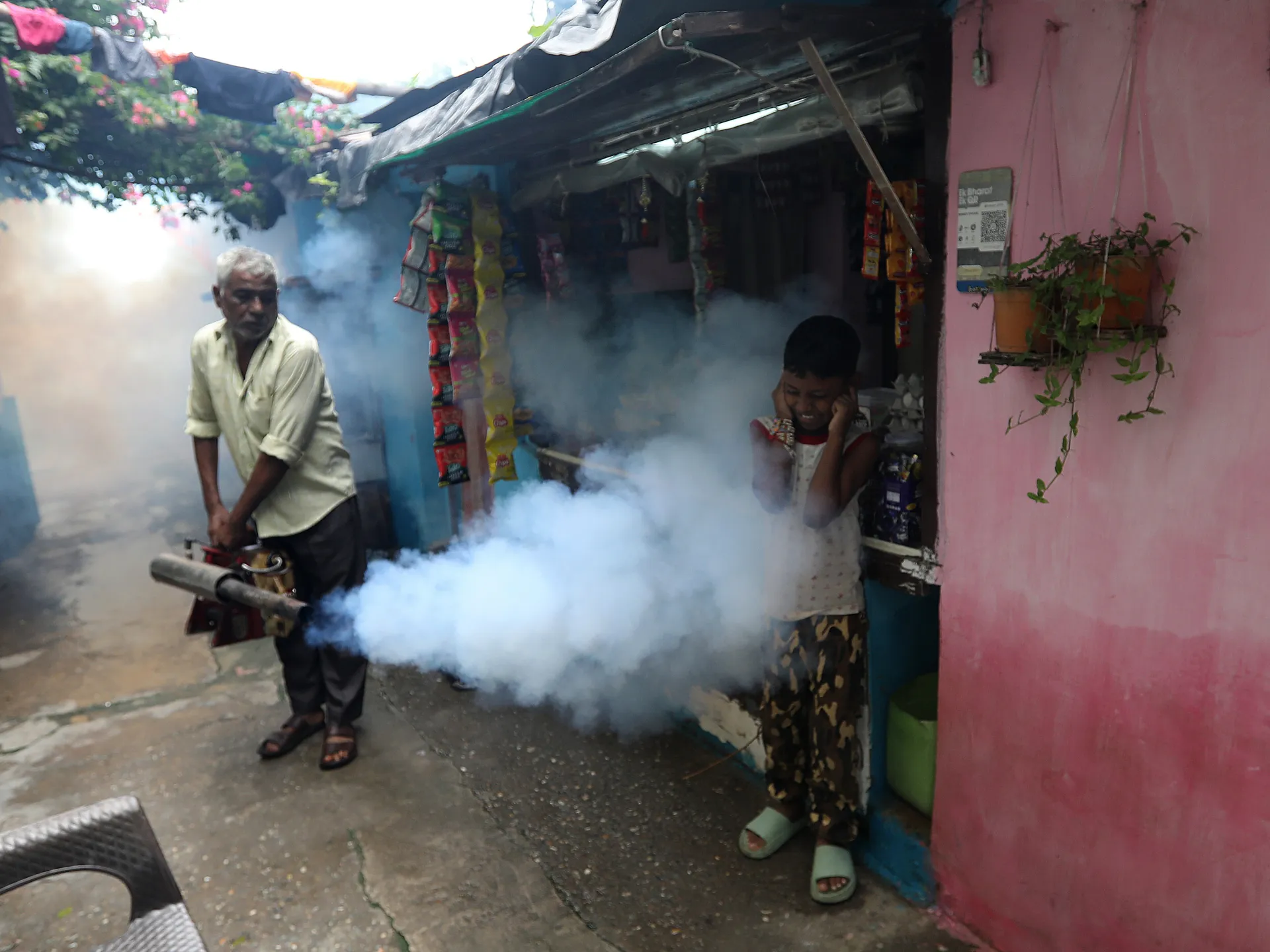
India is confronting a structural shift in dengue epidemiology, with the disease no longer confined to the traditional post-monsoon period. Official data from the National Center for Vector Borne Diseases Control (NCVBDC) record 6,927 confirmed cases by the end of February 2026. This figure, covering only the first two months of the year, already exceeds the total of 6,837 cases recorded during the entire January to May period in 2021. Health experts warn that rising temperatures, erratic rainfall, and rapid urbanisation are extending the mosquito breeding window, transforming dengue from a seasonal affliction into a persistent, year-round public health threat.
The burden of early transmission is concentrated in southern states, which report the highest infection volumes. Tamil Nadu leads with 2,873 cases, followed by Maharashtra (786), Kerala (670), and Karnataka (560). Epidemiologists attribute this regional disparity to warmer climates and longer breeding windows, though more extensive diagnostic reporting systems in these areas also contribute to the data. The pattern indicates that transmission is beginning earlier and spreading more persistently than in previous cycles, challenging the historical assumption that dengue risk remains low between January and May.
Compounding the epidemiological shift is emerging evidence regarding the role of environmental factors in disease severity. A 2026 study published in Environmental Pollution analysed data from 20 endemic countries and found a strong association between long-term exposure to fine particulate matter (PM2.5) and higher dengue mortality. The research indicated that countries with higher PM2.5 levels recorded death rates three to five times higher than those with cleaner air. Lead author Sakirul Khan noted that air pollution acts as an independent predictor of severity, potentially worsening outcomes through systemic inflammation and immune stress, even after controlling for income and population density.
Climate conditions further dictate the transmission dynamics. A 2025 study in Scientific Reports identified specific thresholds for dengue spread in India, noting that temperatures above 27°C, humidity between 60–78%, and moderate, evenly distributed rainfall create optimal conditions for the virus. Conversely, extreme rainfall can reduce transmission by flushing breeding sites. Dr Aubair Hussain, a Srinagar-based physician, cautioned that while population immunity following major outbreaks can temporarily reduce case loads, it does not interrupt long-term transmission trends driven by these environmental variables.
In response to the escalating threat, the Indian government has accelerated its preventive strategy. Earlier in 2026, authorities approved Takeda’s dengue vaccine, Qdenga, with local production planned in partnership with Biological E. Simultaneously, domestic development is advancing, with the Indian Council of Medical Research and Panacea Biotec completing Phase III trial enrolment for their indigenous candidate, DengiAll, involving 10,335 volunteers. The Serum Institute of India is also conducting Phase III trials for TetraVax-DV. Despite these pharmaceutical advances, public health consultants stress that vector control, sanitation, and year-round surveillance remain critical, as vaccination alone cannot resolve the underlying ecological drivers of the crisis.