India's 'Cockroach' movement turns to citizen audits of government schools
Following the resignation of the Education Minister, the student-led CJP is mobilising citizens to document infrastructure failures in rural schools, aiming to pressure local authorities through public records.
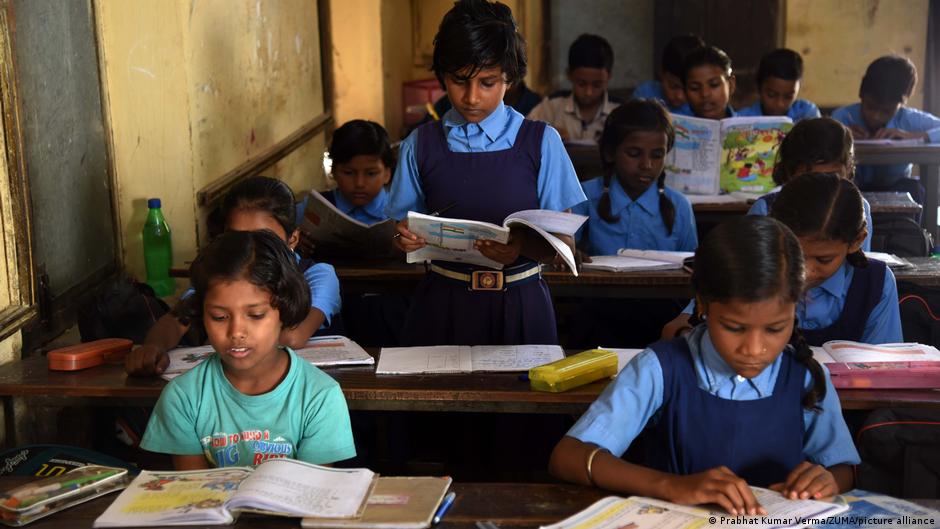
The Cockroach Janta Party (CJP), a student protest movement in India, has launched a nationwide campaign titled "Fix the Schools" to audit neglected government institutions. The initiative, announced on India's Independence Day, seeks to shift the movement's focus from street protests to structured documentation of infrastructure deficiencies. The campaign aims to pressure local authorities by compiling public records of schools that fail to meet basic operational standards.
CJP founder Abhijeet Dipke initiated the effort in Hingoli district, Maharashtra, where he documented issues such as broken windows, unusable bathrooms, and a lack of clean drinking water. The organisation has set an initial target of auditing at least 100 rural government schools over the next two months. The audit framework focuses on five specific requirements: functioning toilets, electricity, clean drinking water, classroom benches, and the quality of mid-day meals.
Citizens are being asked to use prepared assessment forms to record video evidence of deficiencies and submit reports to the CJP. The organisation plans to compile these submissions into a public record to hold local authorities accountable. A key component of the strategy involves publicly recognising village heads who improve local school conditions, using before-and-after evidence to highlight progress. This approach is designed to create a competitive incentive for local administration to address long-standing neglect.
The movement emerged in May following a scandal involving the leak of a highly competitive university entrance exam question sheet. It gained significant momentum after Education Minister Dharmendra Pradhan resigned in July, citing the need to prevent "anti-national forces" from exploiting the unrest. Since then, the CJP has evolved from a protest against examination irregularities into a broader campaign addressing systemic failures in education and employment.
Responsibility for government school infrastructure in India is distributed across state governments, local administrations, and elected village bodies, leading to widely varying conditions. Aruna Roy, a former civil servant and social activist, noted that the movement resonates with young people seeking accountability for state failures. She suggested that citizen audits could expose corruption and bring communities into the struggle for transparency.
Activist Amrita Johri indicated that the CJP could further leverage the Right to Information Act to demand transparency on school spending, infrastructure, and teacher vacancies. The organisation has also indicated it may extend this citizen audit model to public healthcare facilities in the future. The success of the current campaign will depend on whether the initial target of 100 schools produces visible changes and whether the model can be replicated beyond areas where the CJP already has established support.