India becomes third nation to demonstrate private orbital launch capability
The successful deployment of payloads into low-Earth orbit aligns with regulatory goals to expand the country’s share of the global space economy by 2033.
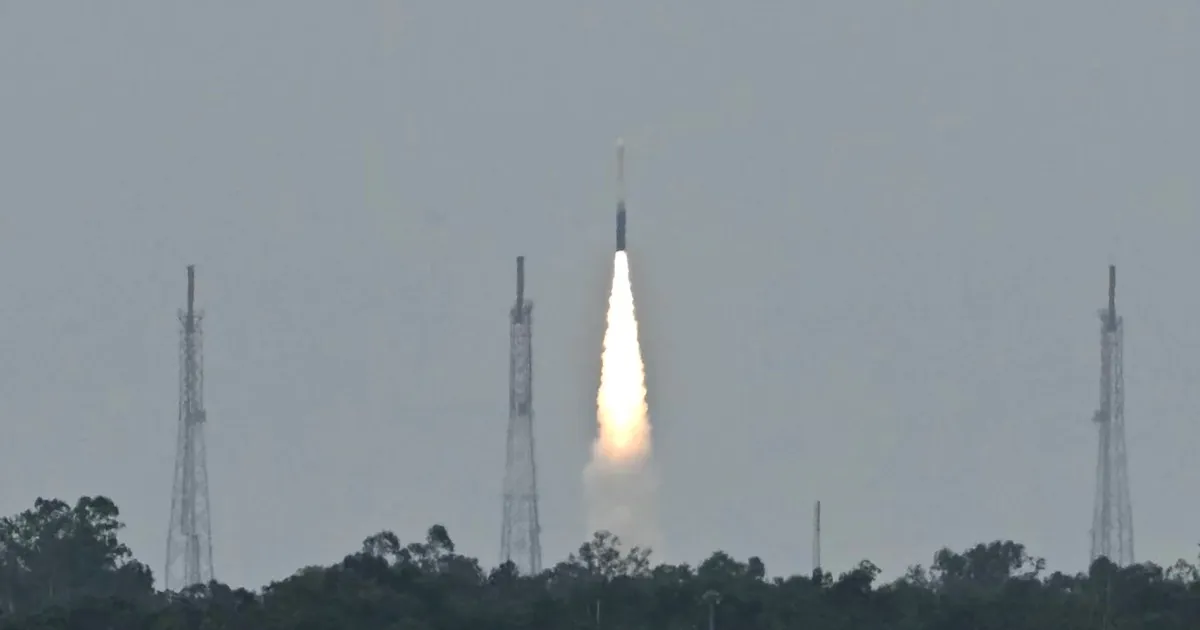
India has successfully launched its first private-sector orbital rocket, Vikram-1, manufactured by Skyroot Aerospace, marking a significant shift in the institutional landscape of the nation’s space programme. The three-stage, 22-metre vehicle lifted off from the Satish Dhawan Space Centre in Sriharikota at 0635 UTC on Saturday, deploying customer payloads into a 450km low-Earth orbit. This achievement positions India as the third country, following the United States and China, to demonstrate orbital launch capability through private enterprise.
The mission validated critical flight systems, including propulsion, avionics, telemetry, guidance, navigation, and control mechanisms, according to Skyroot Aerospace. The rocket is capable of carrying payloads of up to 350kg and was equipped with experimental hardware, including robotic arms designed for space debris removal. The payload also included a lab-grown diamond and a miniature 18-carat gold sculpture commemorating India’s national space programme.
Prime Minister Narendra Modi praised the launch, stating it would encourage young people to innovate and dream bigger. The event underscores the rapid institutionalisation of India’s commercial space sector, which has attracted backing from global investors following recent liberalisation measures. Skyroot Aerospace, founded in 2018, became the first Indian space company to reach a $1 billion valuation earlier this year, highlighting the sector’s growing economic significance.
This launch improves upon Skyroot’s previous Vikram-S suborbital flight in 2022, which reached space but did not place payloads into orbit. The company plans further test flights before commencing routine commercial missions. The development aligns with the strategic objectives of the Indian National Space Promotion and Authorisation Centre (IN-SPACe), which aims to increase India’s share of the global space economy from 2% to $44 billion by 2033.
The milestone adds to India’s recent history in space governance and exploration. The national space programme previously set a record in 2017 by launching 104 satellites on a single rocket and became the fourth country to complete a lunar landing with the Chandrayaan-3 mission near the moon’s south pole. Skyroot’s success signals a new phase in the integration of private enterprise into India’s broader strategic space ambitions.