India approves $13.2 billion Semicon 2.0 to build domestic semiconductor ecosystem
New programme aims to shift India from chip design hub to manufacturing centre, though analysts warn fabrication remains a significant challenge.
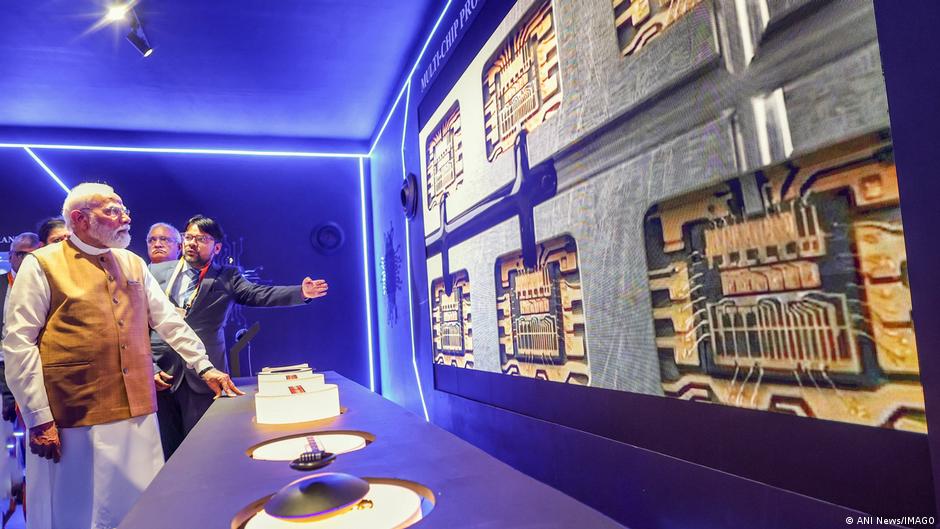
The Indian government has approved Semicon 2.0, a $13.2 billion (€11.4 billion) programme designed to establish a comprehensive domestic semiconductor ecosystem. Building on the $9 billion India Semiconductor Mission (ISM) launched in 2021, the initiative covers the entire chip value chain, including design, fabrication, advanced packaging, specialty materials, equipment manufacturing, and workforce training. The government aims to create a domestic semiconductor market valued between $100 billion and $110 billion by 2030, with the goal of meeting up to three-quarters of India's electronics demand through locally designed and manufactured chips.
While India already possesses significant expertise in chip design, with thousands of engineers working for firms such as Nvidia, AMD, Qualcomm, and Texas Instruments in Bengaluru, Hyderabad, and Noida, analysts warn that large-scale manufacturing remains a challenge. Current progress under the ISM framework is concentrated in chip packaging and testing rather than fabrication. Twelve fabrication and packaging projects have been approved under the broader ISM framework, with three already in commercial production: Micron Technology (US), Kaynes Semicon, and CG Semi (India).
Analysts suggest India should prioritise manufacturing mature 28-nanometre (28 nm) chips at scale before attempting advanced 3 nm processors. This push occurs against a backdrop of global supply chain diversification efforts by the US, EU, Japan, and South Korea, driven by geopolitical tensions and the rapid growth of artificial intelligence. More than 90% of the world's most advanced semiconductor chips are currently manufactured in Taiwan, highlighting the strategic importance of establishing alternative manufacturing hubs.
Leading-edge fabrication plants require significant capital, often exceeding $20 billion, along with uninterrupted electricity, vast quantities of ultra-pure water, and extensive supplier networks for specialised chemicals and silicon wafers. Despite these hurdles, industry veterans argue that the rapid growth of AI creates a window of opportunity for India to build capabilities across the semiconductor value chain, provided there is sustained investment and supportive policy frameworks.
The success of Semicon 2.0 will depend on India's ability to translate financial commitments into tangible industrial capacity. While the country has established world-class design capabilities, moving into high-volume manufacturing requires overcoming technical and infrastructural barriers. Industry executives note that near-term opportunities lie in packaging, testing, and mature-node manufacturing, suggesting a gradual rather than immediate transition to advanced fabrication.