IMAX clarifies distinction between 'Shot with' and 'Filmed for' labels
New guidance explains that while Christopher Nolan’s The Odyssey was captured entirely on film, other titles like Dune rely on certified digital cameras.
IMAX has sought to clarify the technical and branding differences between its "Shot with IMAX" and "Filmed for IMAX" labels, a distinction that has often confused audiences and industry observers. According to an explainer published by Engadget, the terminology describes two distinct aspects of film production: the specific hardware used to capture the image and the broader workflow designed for IMAX presentation.
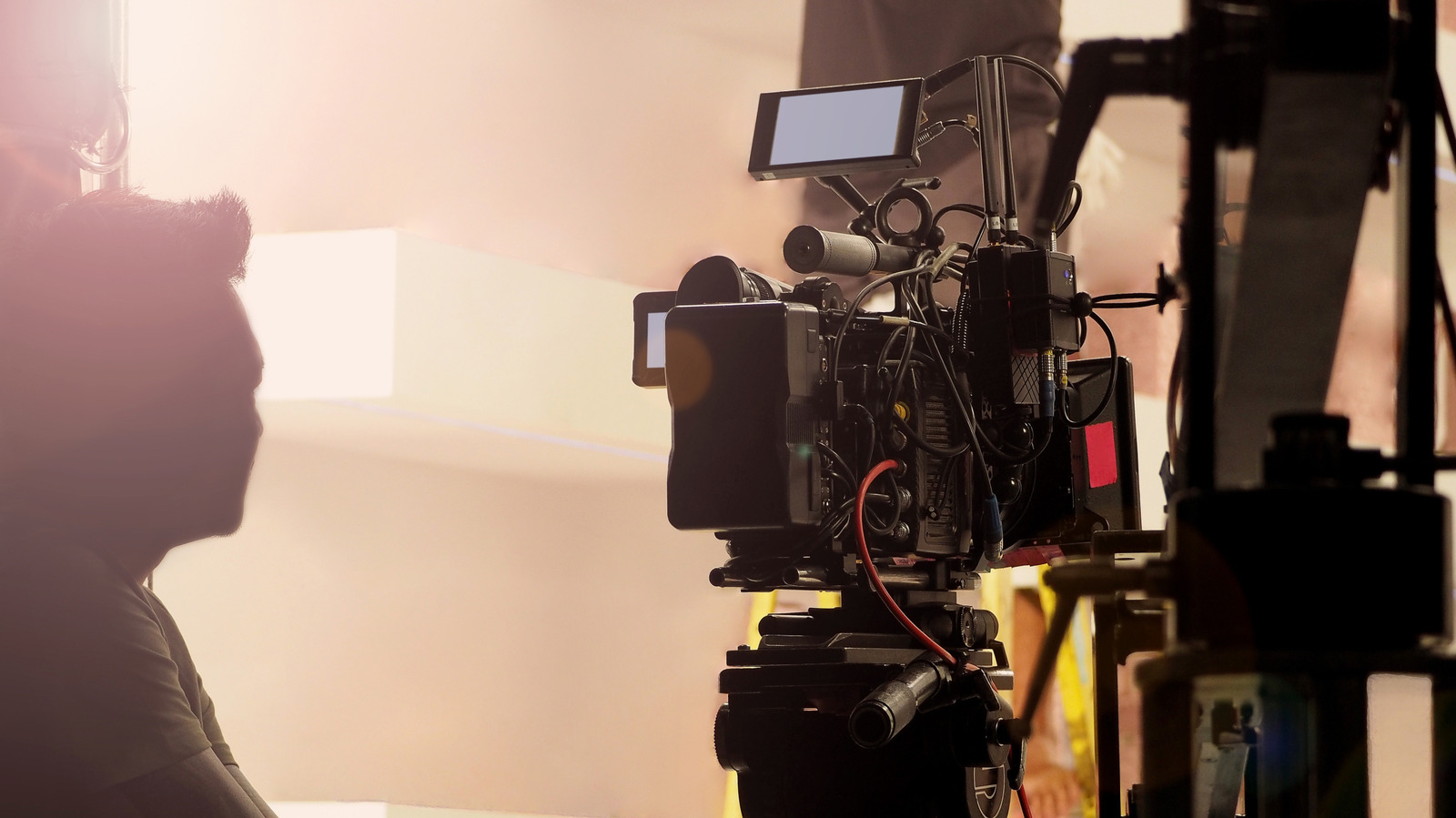
The "Shot with IMAX" designation refers specifically to the use of IMAX 65mm film cameras. In this format, 65mm film runs horizontally through the camera, with each frame spanning 15 perforations to create a large, tall 1.43:1 image. Although the camera film is 65mm, theatrical release prints are 70mm, which is why these screenings are advertised as IMAX 70mm. Christopher Nolan’s The Odyssey is highlighted as the first feature film shot entirely with these IMAX film cameras, a feat made possible by a newly engineered camera enclosure that facilitated synchronized dialogue scenes.
In contrast, "Filmed for IMAX" describes a broader production process that begins in pre-production. Filmmakers participating in this program may choose to shoot with either IMAX film cameras or IMAX-certified digital cameras. The process involves shooting with IMAX’s taller 1.90:1 or 1.43:1 aspect ratios in mind, with IMAX post-production teams later optimising the movie for its theatres. This approach allows for a wider range of production methods while maintaining a standardised presentation goal.
To support the digital side of this workflow, IMAX launched a certification program in 2020 for digital cinema cameras from manufacturers including ARRI, Panavision, RED, and Sony. These are not cameras built by IMAX but are approved for use within the "Filmed for IMAX" ecosystem. Denis Villeneuve’s Dune serves as a primary example of this digital approach; the 2021 film was captured using IMAX-certified digital cameras rather than film, yet it was composed specifically for IMAX presentation.
The final visual experience for viewers depends heavily on the specific theatre’s equipment. While a movie may contain footage in the taller 1.43:1 aspect ratio, not all IMAX theatres can display the full image. IMAX 70mm theatres can project the taller frame from film, and some IMAX with Laser auditoriums also support the 1.43:1 format. Other presentations may default to the wider 1.90:1 aspect ratio, meaning two theatres showing the same film can offer noticeably different experiences.
The explainer notes that the "Filmed for IMAX" label does not guarantee how much of the film will fill the taller screen. For instance, F1: The Movie was presented entirely in the 1.90:1 aspect ratio, while Mission: Impossible: The Final Reckoning used certified cameras with only specific sequences expanding to 1.90:1 for over 45 minutes. Consequently, audiences are advised to check individual screening details for IMAX 70mm or 1.43:1 support before purchasing tickets.