Iceland to vote on reopening EU accession talks in August referendum
Voters will decide whether to restart negotiations suspended over a decade ago, with a second vote required for final membership.
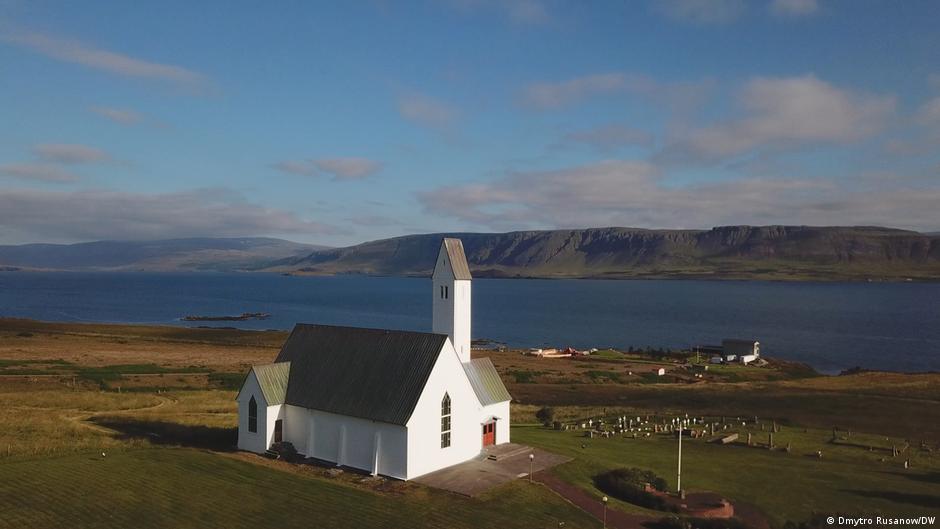
Icelanders will vote on 29 August 2026 on whether to reopen European Union accession negotiations, which were suspended more than a decade ago. The referendum addresses security concerns amid geopolitical uncertainty, economic pressures including high interest rates, and debates over sovereignty and control of fishing rights. A 'yes' vote would initiate talks but not immediate membership, requiring a second referendum for final accession.
The debate is driven by concerns over security, control over natural resources, and rising living costs. Pro-EU campaigners, led by Snaeros Sindradottir, argue that EU membership would enhance security and lower borrowing costs, citing high mortgage rates of 8 to 9 per cent in Iceland compared to continental Europe. They point to geopolitical instability, including US President Donald Trump’s threats toward Greenland and his mispronunciation of Iceland, as reasons to strengthen ties with European allies.
Anti-EU campaigners, led by Haraldur Olafsson, argue that EU membership undermines democracy and sovereignty, particularly regarding control over natural resources and fishing rights. Olafsson, president of the Heimssyn organisation, contends that the EU is the only major power seeking to govern Iceland, whereas opponents of membership believe the country can maintain its independence through existing NATO and bilateral defence agreements with the United States.
Iceland is already part of the European Economic Area and the Schengen zone, allowing free movement of goods, services, capital and people. However, Pawel Bartoszek, chairman of parliament's foreign affairs committee, argues that joining the euro in the future could lower borrowing costs for households and businesses. Opinion polls indicate a tight race, with undecided voters likely to determine the outcome of the vote.
The debate has caused divisions within families and friendships, with opposition leader Gudrun Hafsteinsdottir warning of long-term social wounds. Hafsteinsdottir believes that a small nation like Iceland may have a bigger voice outside the European Union than inside, noting that Iceland would hold approximately six seats in the European Parliament. She maintains that Iceland's strength lies in its existing security partnerships rather than EU membership.
Iceland had begun accession negotiations in 2010 following the banking and economic crisis, but these were suspended after a change in government and never resumed. Political scientist Audunn Arnorsson argues that holding a referendum became the only way to break the political deadlock over whether Iceland should reopen negotiations. Former bishop Kristjan Ingolfsson remains confident that the nation will remain united regardless of the outcome.