ICC assembly leaders warn diplomatic isolation threatens global rule of law
Current and former presidents of the ICC’s governing body argue that US-led pressure to weaken the court is eroding confidence in the international legal order, not just the institution itself.
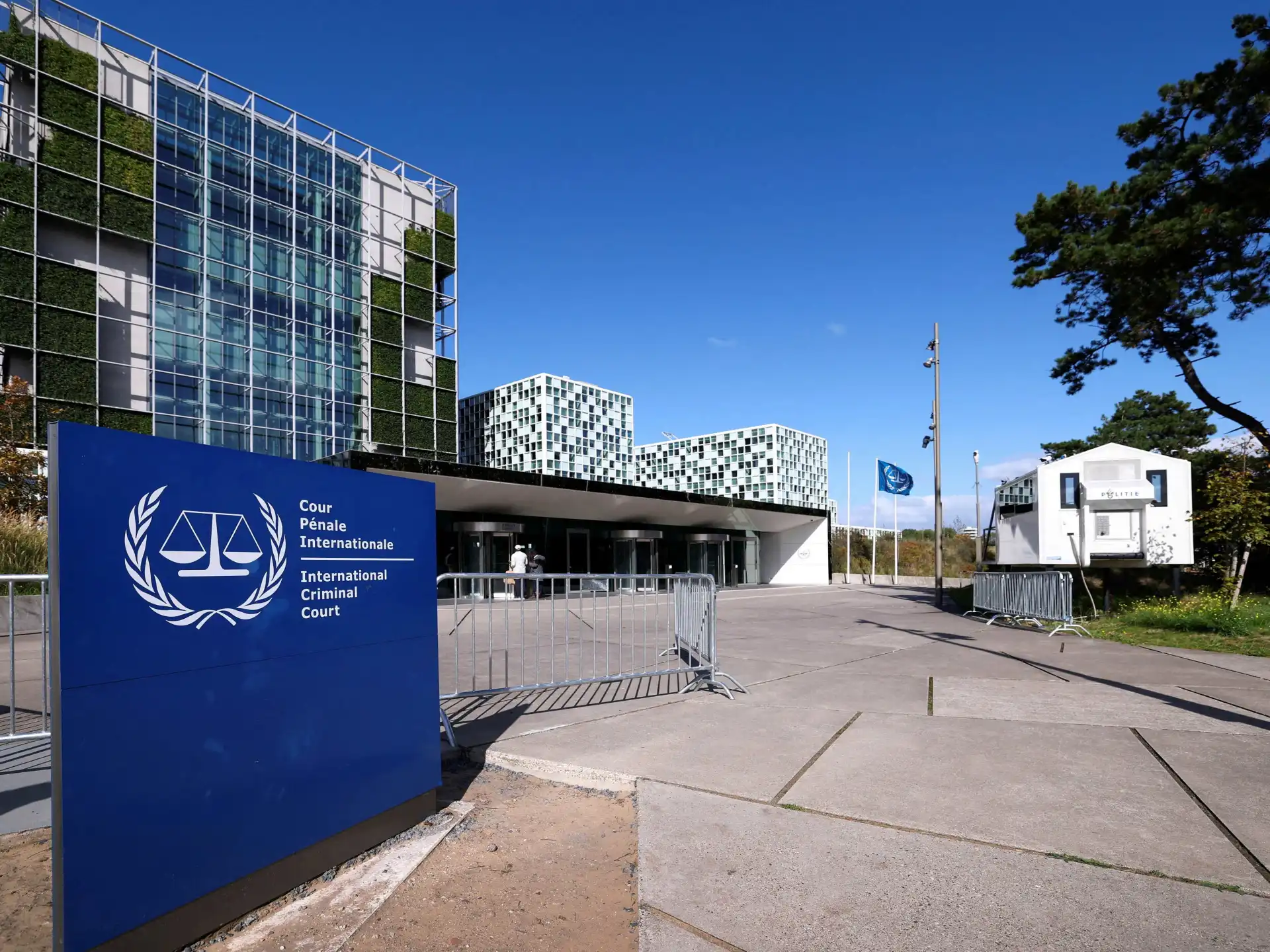
Current and former presidents of the International Criminal Court’s Assembly of States Parties have issued a joint condemnation of diplomatic efforts to isolate the institution. In a statement published in the Just Security law and policy journal, the leaders argued that these moves are designed to erode confidence in the international legal order rather than simply targeting the court.
Paivi Kaukoranta, the current president of the Assembly of States Parties, co-signed the op-ed with seven former presidents. They described the ICC as a “court of last resort” that complements, rather than replaces, national justice systems. The authors rejected the argument that the court undermines state sovereignty, asserting that sovereign states exercise their authority by joining international treaties and institutions.
The statement highlights pressure from the US administration, which is not a member of the ICC. Washington has strongly opposed cases involving Israeli Prime Minister Benjamin Netanyahu and past investigations into US personnel. The authors warned that the dispute is not merely about one institution, but represents a choice between a world based on the rule of law and one where political power determines when international law applies.
The ICC leaders called on the court’s 125 member states, international and regional organisations, and other supporters to provide political, legal, and practical backing. They urged these bodies to help governments resist pressure to weaken the court, stating that now is the time to strengthen institutions that uphold international law rather than dismantle them.
This intervention comes amid a broader pattern of US withdrawals from international bodies. The Trump administration has recently ended participation in the UN Human Rights Council, halted funding to UNRWA, and withdrawn from UNESCO and the World Health Organization. In January, President Donald Trump ordered the US to leave dozens of other international and UN bodies, including UN Women and the UN climate convention.
Washington has also sanctioned ICC judges and officials, including UN special rapporteur Francesca Albanese. Secretary of State Marco Rubio described her efforts as attempts to prompt ICC action against Israeli officials. The assembly leaders’ statement positions these sanctions as part of a wider strategy to diplomatically isolate the court.