IAEA refers alleged Iranian safeguards breaches to UN Security Council
The IAEA says it lacks information and access needed to verify Iran’s nuclear activities. Tehran rejects the resolution and cites unsafe conditions following attacks on its facilities.
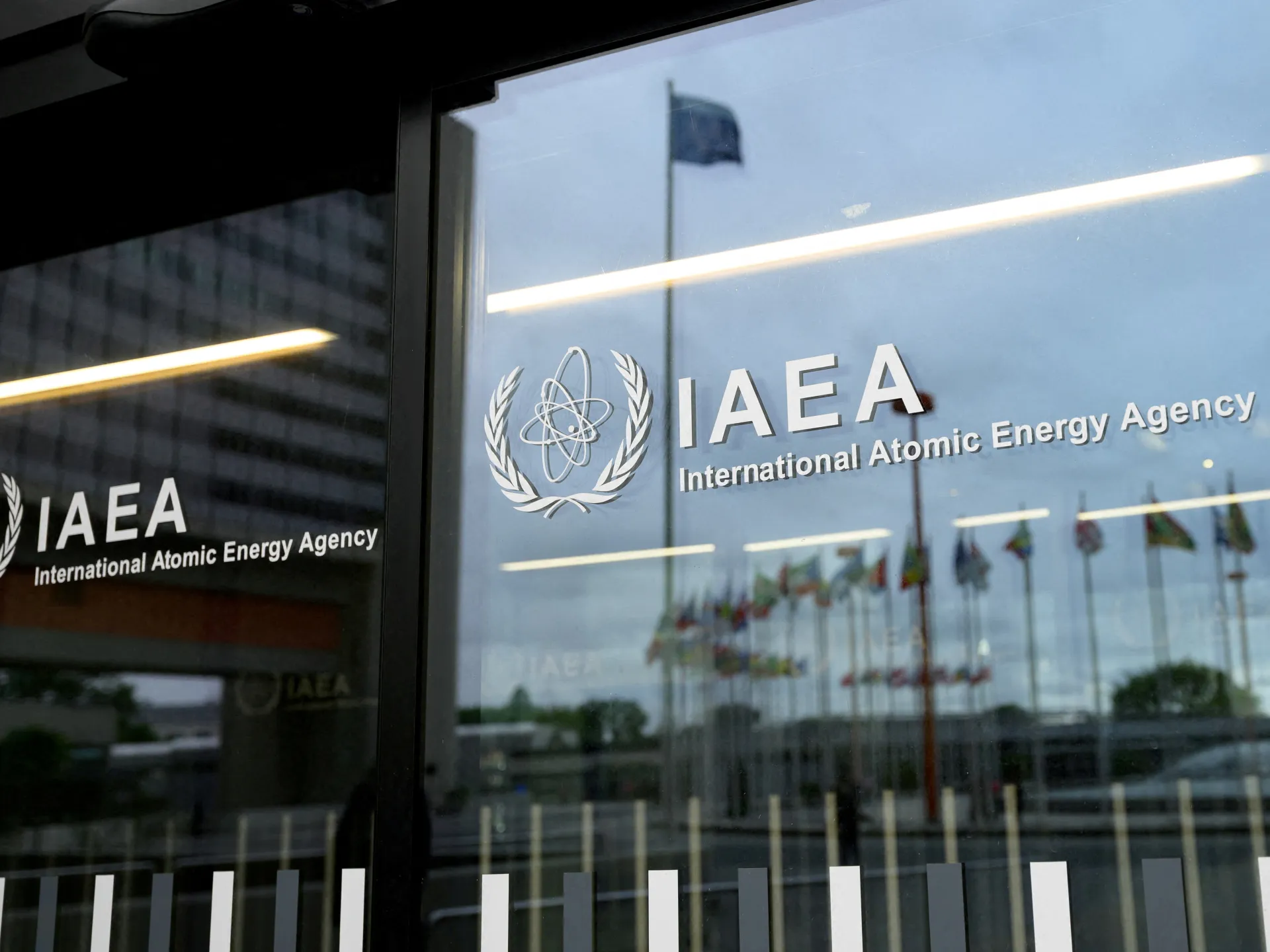
The International Atomic Energy Agency’s Board of Governors has referred Iran’s alleged failure to meet nuclear safeguards obligations to the United Nations Security Council, escalating a dispute over international oversight of Tehran’s nuclear programme.
The resolution expresses “grave concern” about the IAEA’s lack of information on previously declared nuclear material and its inability to access facilities for verification. The agency called on Iran to engage in talks aimed at building confidence that its programme is exclusively peaceful. It is the first resolution of its kind by the board in 20 years.
The United States, United Kingdom, France and Germany backed the measure. IAEA inspectors have reportedly been unable to access key sites, including Fordow, Natanz and Isfahan, for more than a year after attacks on Iranian nuclear facilities.
Iran condemned the resolution as baseless and politically motivated. Its representative to the UN in Vienna, Reza Najafi, said military operations and continuing threats had made safe access impossible, while maintaining that Iran had not suspended its safeguards obligations. Tehran said it would co-operate only where circumstances and safety allowed.
Iran denies seeking nuclear weapons and says it has a right to civilian nuclear technology under the Nuclear Non-Proliferation Treaty. The material does not establish that Iran possesses nuclear weapons; it says neither the IAEA nor US intelligence has backed that claim.
The dispute follows the collapse of the 2015 nuclear agreement’s restrictions and expanded inspection regime after the United States withdrew in 2018 and reimposed sanctions. Russia and China, both veto-holding Security Council members, are expected to oppose further punitive action, though the precise consequences of the referral remain unclear.