IAEA flags proliferation risk as access to Iranian nuclear sites remains contested
The UN nuclear watchdog has labelled the inability to verify Iran’s nuclear material a “proliferation concern,” with the dispute over inspection protocols set for discussion at the upcoming board of governors meeting.
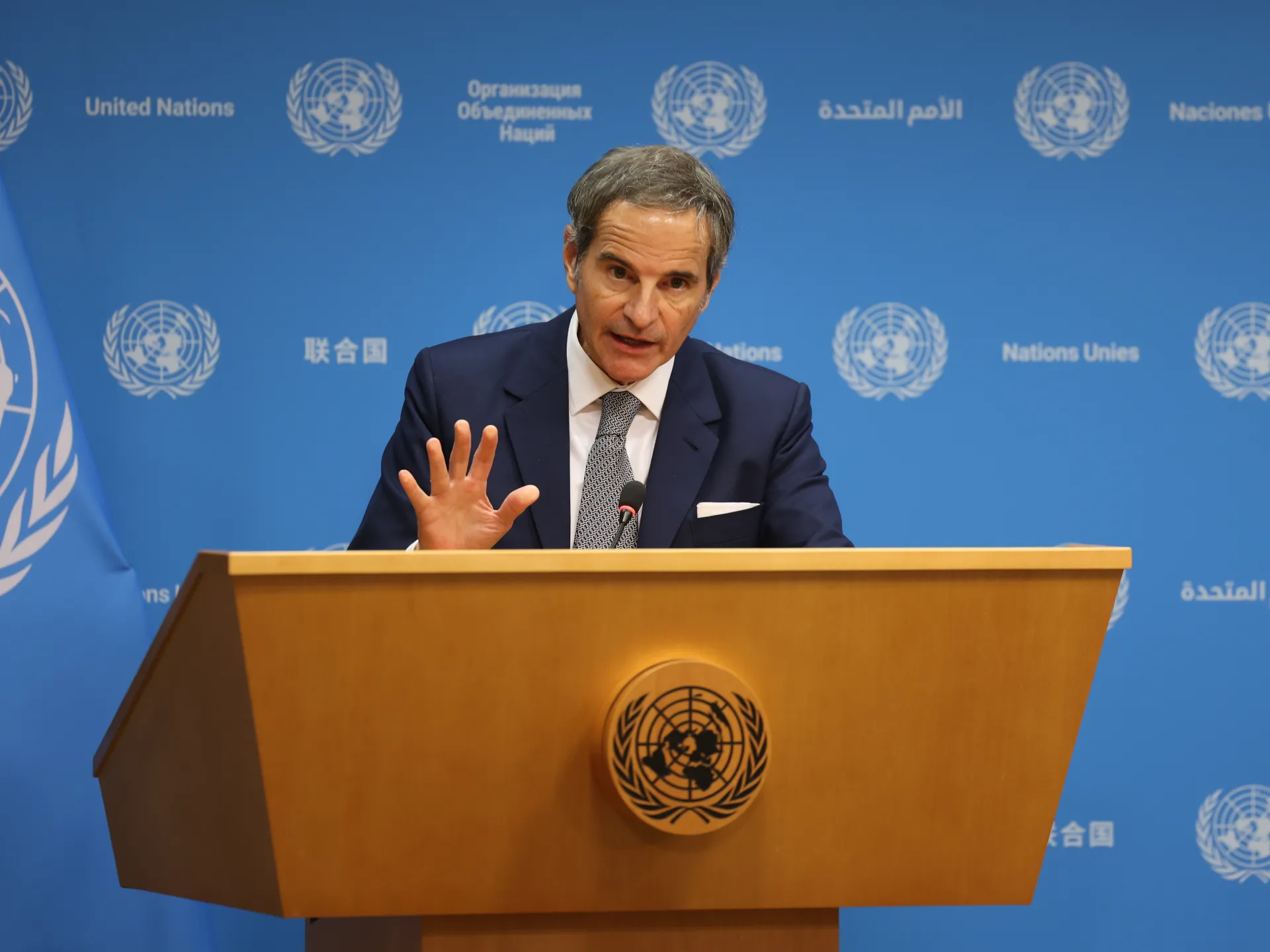
The International Atomic Energy Agency (IAEA) has issued a quarterly report calling for “utmost urgency” to resolve the lack of access to Iran’s nuclear facilities. The United Nations nuclear watchdog explicitly categorised the current deficit of information and access to verify Iran’s nuclear material as a “matter of proliferation concern.”
The report highlights specific gaps in verification, particularly regarding the Isfahan plant, which has been targeted by US and Israeli strikes over the past year. While Iran suspended cooperation with the IAEA following attacks in June 2025, it permitted inspectors to return in September 2025. However, access to the bombed sites remains restricted pending the agreement of specific protocols for military-affected areas.
IAEA Director General Rafael Grossi advocated for a “long-lasting, verifiable diplomatic agreement” to resolve the recurrent crises surrounding these issues. In contrast, Iran’s Atomic Energy Organization head Mohammad Eslami has insisted on special criteria for inspecting sites targeted by military action, stating that the IAEA cannot seek to inspect these centres until specific criteria and protocols are developed.
The institutional disagreement centres on the status of Iran’s enriched uranium stores, which remain unaccounted for despite US President Donald Trump’s claim that US strikes had destroyed the facilities and crippled Tehran’s nuclear programme. The IAEA has previously reported that Iran’s enrichment levels are well above civilian needs, though below weapons grade, a finding that complicates Tehran’s assertion that its programme is strictly for civilian purposes.
The broader geopolitical context includes the US launching a war in March, citing the prevention of a nuclear weapon as its primary motivation, an ambition Tehran denies. Meanwhile, Iran has shifted the focus of hostilities towards the control of the strategic Strait of Hormuz.
The report is scheduled for discussion at the IAEA board of governors meeting from 21 to 25 September, where the governance of inspection protocols and the verification of nuclear material will be central to the agenda.