Hungary's Tisza Party Secures Supermajority to Dismantle Orban Legacy
The incoming administration aims to reverse illiberal governance and unlock frozen European Union funding after securing a two-thirds parliamentary majority.
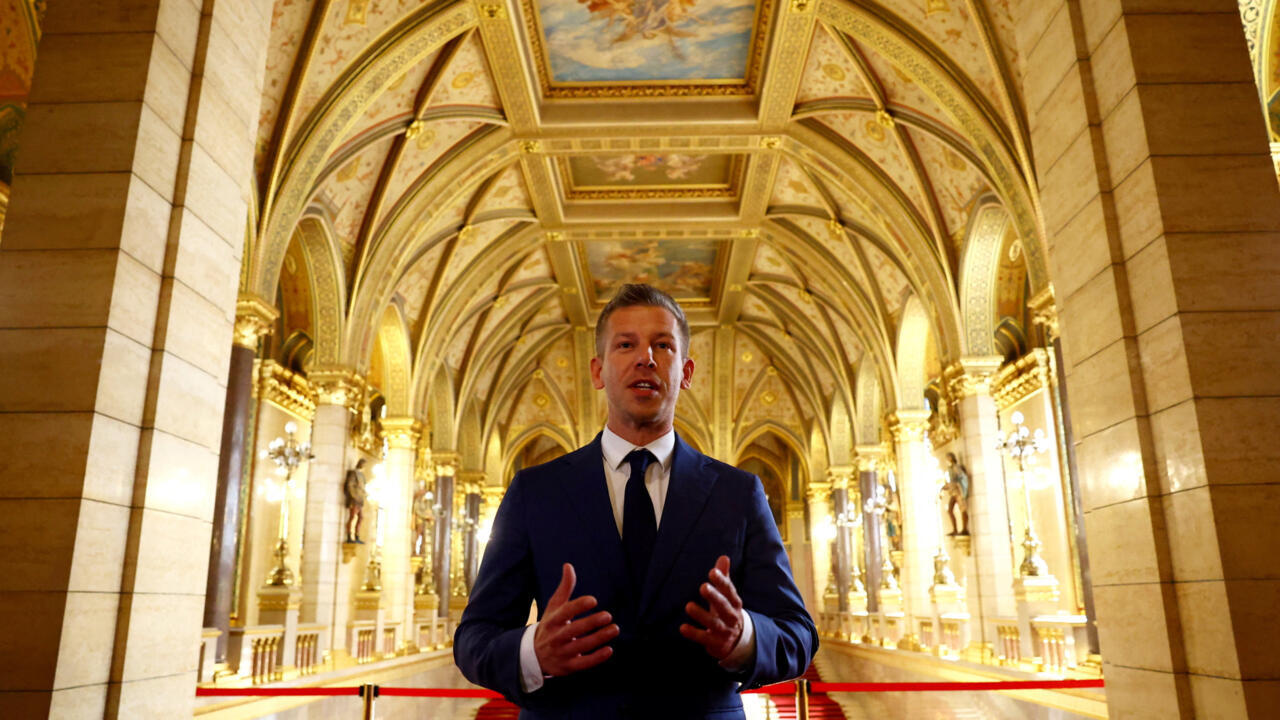
Following Viktor Orban's election defeat on 12 April 2026, Hungary has transitioned from an autocratic regime to a liberal democracy under new Premier Peter Magyar. The centre-right Tisza party secured a decisive two-thirds parliamentary majority, granting the administration the constitutional power to enact significant reforms aimed at restoring the rule of law. This supermajority allows the new government to alter any law, a critical tool for reversing the illiberal governance structures established during the previous Fidesz era.
Premier Magyar has described the shift as a full-on regime change rather than a simple government turnover, distinguishing the previous administration's model from classic organised crime. Balint Magyar, a former education minister and author of *The Hungarian Octopus: The Post-Communist Mafia State*, argues that the Orban network operated as a mafia state where positions were embedded within the state apparatus itself. Consequently, the incoming administration plans to prosecute high-level officials and oligarchs accused of corruption, targeting those who infiltrated state institutions from the media and judiciary to universities and local governments.
Time is of the essence for the new government, which warns that assets are being transferred abroad while police investigations into the Orban network have already commenced. Authorities have noted that oligarchs allied with the former regime are siphoning off wealth to the United States, the United Arab Emirates, Uruguay, and other distant countries. To address this, the incoming administration has launched a campaign called "Road to Prison" specifically targeting officials and corporate leaders accused of corruption, a move that mirrors legal actions taken against former officials in Poland under Donald Tusk.
Looking to the future, Premier Magyar has promised to hold a referendum on accepting a new constitution and to limit future prime ministers to two terms, amounting to eight years total. The Tisza party won 141 seats in parliament out of 199 in the April elections, a result that effectively neutralised Orban's attempts to make election law more disproportionate. This victory represents a third regime change in Hungary's recent history, moving the country back from an autocracy to a liberal democracy, with the goal of unlocking billions in European Union funding that had been frozen due to concerns over corruption and democratic backsliding.
A national opinion poll indicates that 49 per cent of Hungarians cite corruption as the primary reason for Orban's defeat, compared to 18 per cent who pointed to the bad economic situation. This data underscores the scale of popular discontent regarding the complete amorality and incapacity of the previous regime. While the new premier has called on leaders of controlling organisations to resign, noting that legal means will be used to oust those who do not comply, there remains uncertainty regarding the recoupment of stolen state assets.
The transition marks a significant departure from the previous era where nothing could be done without political connections. By securing a constitutional majority, the Tisza party intends to reclaim political and administrative positions previously monopolised by Orban's political-economic clan. As the new government moves to dismantle the legacy of the former administration, the focus remains on ensuring that the restoration of the rule of law is not merely a political transition but a fundamental restructuring of the state.