Hungary's Peter Magyar Sworn In As Prime Minister, Ending Orban's 16-Year Tenure
The swearing-in ceremony at the Hungarian Parliament marks the formal conclusion of Viktor Orban's long-standing rule as the new administration cites economic stagnation and strained international ties as drivers for the transition.
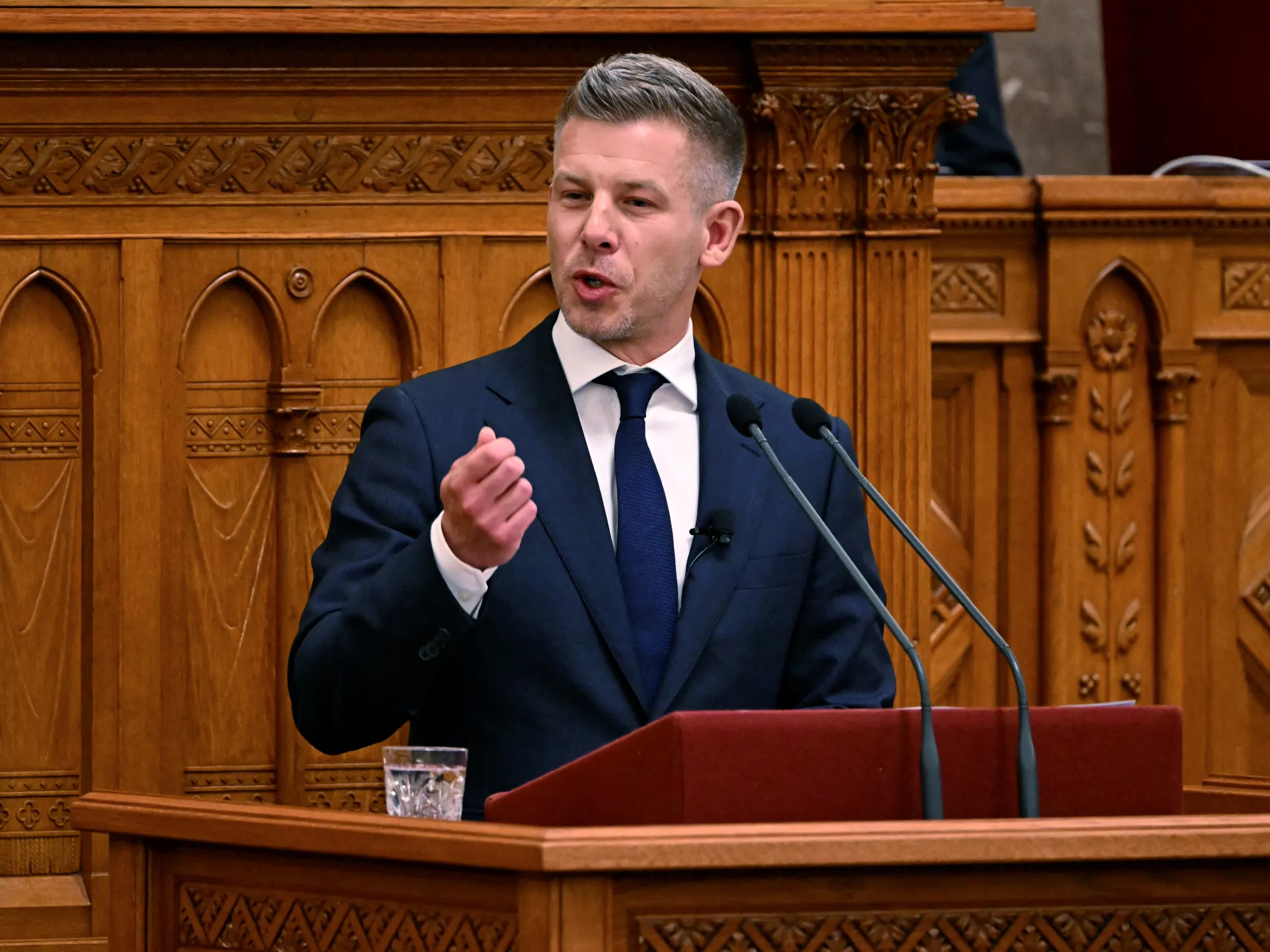
Peter Magyar, leader of the centre-right Tisza party, has been sworn in as Hungary's Prime Minister at the Hungarian Parliament in Budapest. The ceremony, which took place on Saturday, formally concludes a 16-year tenure for Viktor Orban as the nation's leader. This procedural completion signifies a definitive end to the current administration and represents a major political shift within the country following the departure of the long-standing Fidesz leadership.
The incoming government was propelled into office following recent parliamentary elections that saw Magyar's party secure a decisive majority. According to reports from Al Jazeera Global News, the Tisza party won 141 of the 199 available seats in the legislature. This substantial victory provides the new administration with a strong mandate to implement its agenda, moving the country away from the previous era of governance.
Magyar, who is 45 years old, entered office on promises of change after years of economic stagnation and strained ties with key allies under the previous administration. In his initial address, he publicly urged Hungarians to "step through the gate of regime change," framing the transition as a necessary move to reset the nation's political and economic trajectory. The incoming government cites these specific grievances as the primary drivers for the shift in power.
The transition highlights the complex nature of political evolution within established European democracies. By maintaining party membership while seeking to distance the new government from its predecessor's legacy, Magyar navigates the delicate balance of institutional loyalty and the demand for fresh governance. The focus remains on the procedural completion of the handover, with the full scope of future policy yet to be detailed in available reports.
While the election results provide clear data on the composition of the new parliament, the specific timeline for implementing promised changes regarding economic stagnation and foreign relations remains to be seen. The new administration aims to distance itself from the legacy of the previous administration while navigating institutional continuity, though the full scope of its future policy agenda has not yet been outlined in the available information.
This event marks a significant moment for Hungary as it moves from Fidesz leadership to a new administration under the Tisza party. The political landscape has shifted decisively, with the new Prime Minister now tasked with addressing the challenges that contributed to the previous government's electoral defeat.