Hungary’s New Government Faces Scrutiny Over Timeline for Repealing Anti-LGBTQ Laws
Advocates express cautious optimism following the European Court of Justice’s ruling on the 2021 propaganda ban, while the government maintains a deliberate silence on the pace of legislative change.
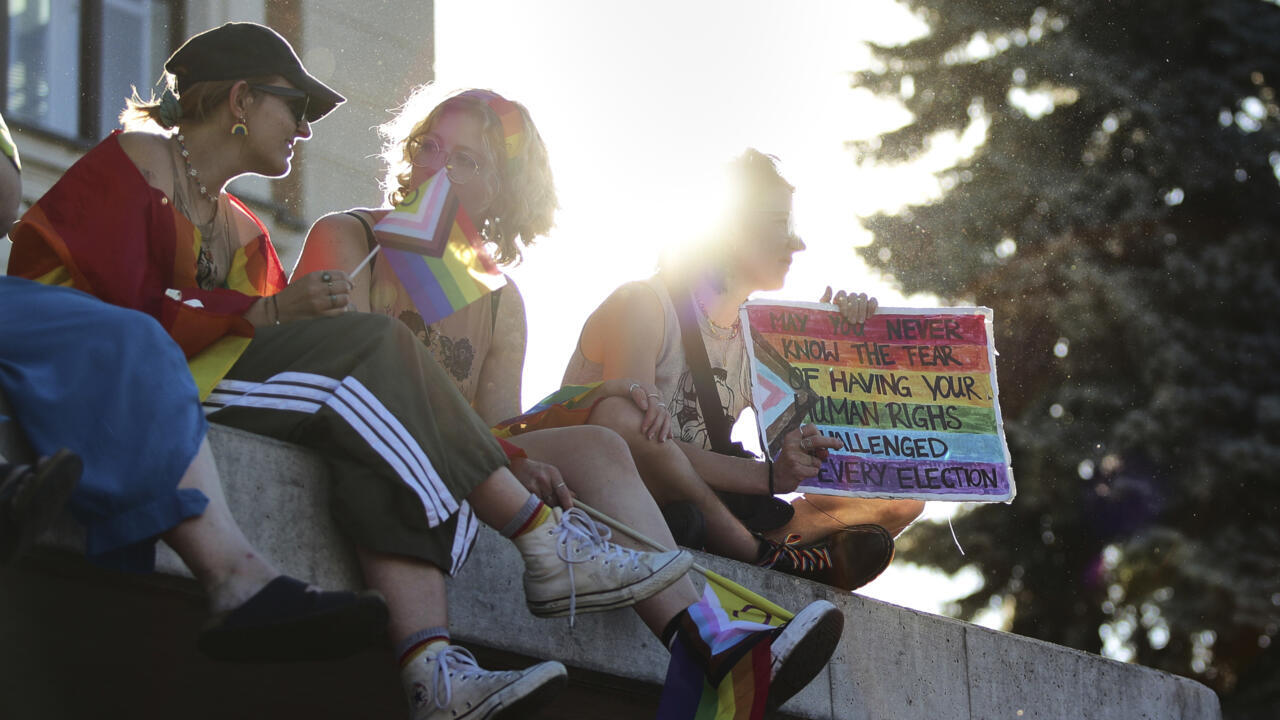
The election of centre-right Prime Minister Peter Magyar in April marked a decisive end to Viktor Orban’s 16-year tenure, yet the transition has left Hungary’s LGBTQ community in a state of measured anticipation. Magyar’s Tisza Party secured a parliamentary supermajority with 138 of 199 seats, a mandate that grants the constitutional authority to repeal the restrictive laws enacted by the previous administration. Despite this clear political power, the new government has not announced a timeline for reversing the 2021 anti-LGBTQ propaganda ban or the restrictions on legal gender recognition.
Rights advocates highlight the tangible impact of the Orban era’s legislative framework. In 2020, a constitutional amendment defined family exclusively around heterosexual marriage, effectively barring same-sex adoption, while a subsequent law stripped trans and intersex people of their right to legal gender recognition. The 2021 "Propaganda law" further restricted the display of LGBTQ-themed materials and banned Pride marches, a measure that criminalised assembly organisers and authorised the use of facial recognition technology against attendees.
The legal landscape shifted significantly in April 2026 when the European Court of Justice ruled that Hungary’s 2021 law violated EU fundamental rights. The court found that the legislation stigmatised LGBTQ individuals by treating them as inherently harmful to children, constituting a breach of Article 2 of the Treaty on European Union. This landmark judgment also cited violations of the EU Charter of Fundamental Rights, including prohibitions on discrimination and infringements on the right to private and family life.
In response to the judicial pressure, Justice Minister nominee Marta Gorog stated on May 12 that the government would undertake a "lawful correction" of the legislation to align with international and European legal standards. However, advocates note that the absence of a specific schedule for repeal remains a point of contention. Eszter Polgari of the Hatter Society described the government’s silence on the matter as "quite strange," particularly given the unequivocal nature of the court’s ruling.
Prime Minister Magyar has adopted a cautious approach to identity politics, a strategy that analysts suggest was designed to appeal to both liberal and conservative voters. While he has described the Pride ban as a "distraction" and argued in Parliament that children are better off with same-sex adoptive parents than in state care, he has largely avoided making LGBTQ rights a flagship policy issue. This measured rhetoric contrasts with the overt hostility of the previous administration, though it has not yet translated into concrete legislative action.
Recent developments have provided some procedural relief for activists. Criminal charges against Budapest Mayor Gergely Karacsony were dropped last week following his prosecution for allowing the 2025 Pride march to proceed despite the ban. Furthermore, the 2026 Budapest Pride is scheduled for June 27, although the legal framework criminalising such assemblies remains technically in force.
Despite the cessation of hostile state rhetoric, uncertainty persists regarding the speed of reform. Belinda Dear of ILGA-Europe noted that while Magyar represents a vast improvement over Orban, his conservative background could result in a slow or partial repeal of the laws. Advocates remain hopeful that the propaganda ban and assembly restrictions will be removed, but they continue to wait for the government to define the scope and timing of these constitutional changes.