Hungary’s Magyar unveils ‘Cleansing Fire’ reforms to secure EU funds and oust president
Prime Minister Peter Magyar proposes new constitution, anti-corruption office, and removal of President Tamas Sulyok to unlock 16.4 billion euros in frozen European Union funds.
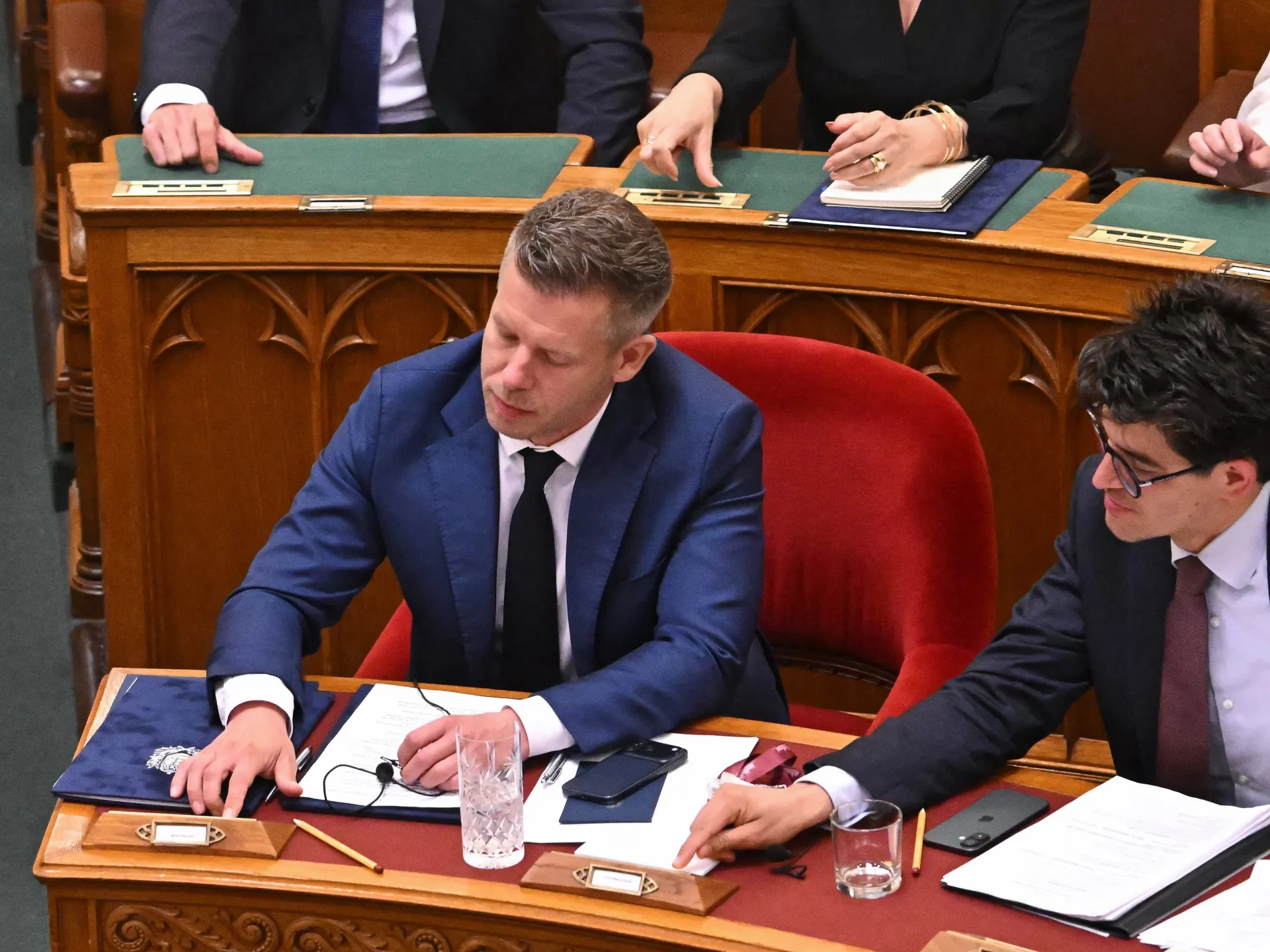
Hungary’s Prime Minister Peter Magyar has initiated a sweeping legislative overhaul dubbed “Operation Cleansing Fire,” designed to dismantle the political and economic structures established by former Prime Minister Viktor Orban. In a speech to parliament on Monday, Magyar described the previous 16 years of governance as a “captivity” enforced by a “political and economic mafia,” outlining a series of constitutional and institutional changes aimed at restoring rule-of-law standards required by the European Union.
The reform package is driven by the urgent need to unlock 16.4 billion euros ($19bn) in frozen EU funds, which have been withheld due to concerns over judicial independence and corruption during Orban’s tenure. Magyar’s Tisza Party government, utilising its constitutional majority, is racing to meet the European Union’s rule-of-law milestones by the end of August. Central to this strategy is the removal of President Tamas Sulyok, who was appointed by Orban and has maintained he holds no political agenda.
Magyar has proposed a constitutional amendment to remove Sulyok from office, paving the way for the election of a new president serving a maximum five-year term. While the Hungarian presidency holds limited formal powers, it retains the ability to delay legislation by referring it to the Constitutional Court. The move has drawn sharp criticism from the opposition, with Fidesz lawmaker Gergely Gulyas describing the prime minister’s address as “slanderous and appalling.”
Beyond the presidency, the reforms target the judiciary and legislative framework to prevent the re-emergence of Orban’s influence. Measures include setting an age limit of 70 for Constitutional Court judges, which would force Orban ally Peter Polt to retire, and limiting parliamentary terms to 12 years. Additionally, parliament has already passed an amendment capping prime ministerial terms at eight years, effectively barring Orban from returning to power.
The government also plans to establish a new anti-corruption office staffed by top investigators and experts, citing estimates that systemic corruption has cost Hungary between 8 and 10 percent of its gross domestic product in recent years. Concurrently, lawmakers have voted to scrap the Sovereignty Protection Office, created in 2023 to investigate critics of the former government. A broader constitutional review involving public discussions is scheduled to begin in September, subject to a referendum.