Hungary's incoming prime minister sworn in at Parliament, ending 16-year Orban tenure
The swearing-in ceremony in Budapest marks the conclusion of the longest-serving administration in the nation's modern history, with officials describing the shift as the start of a new political era.
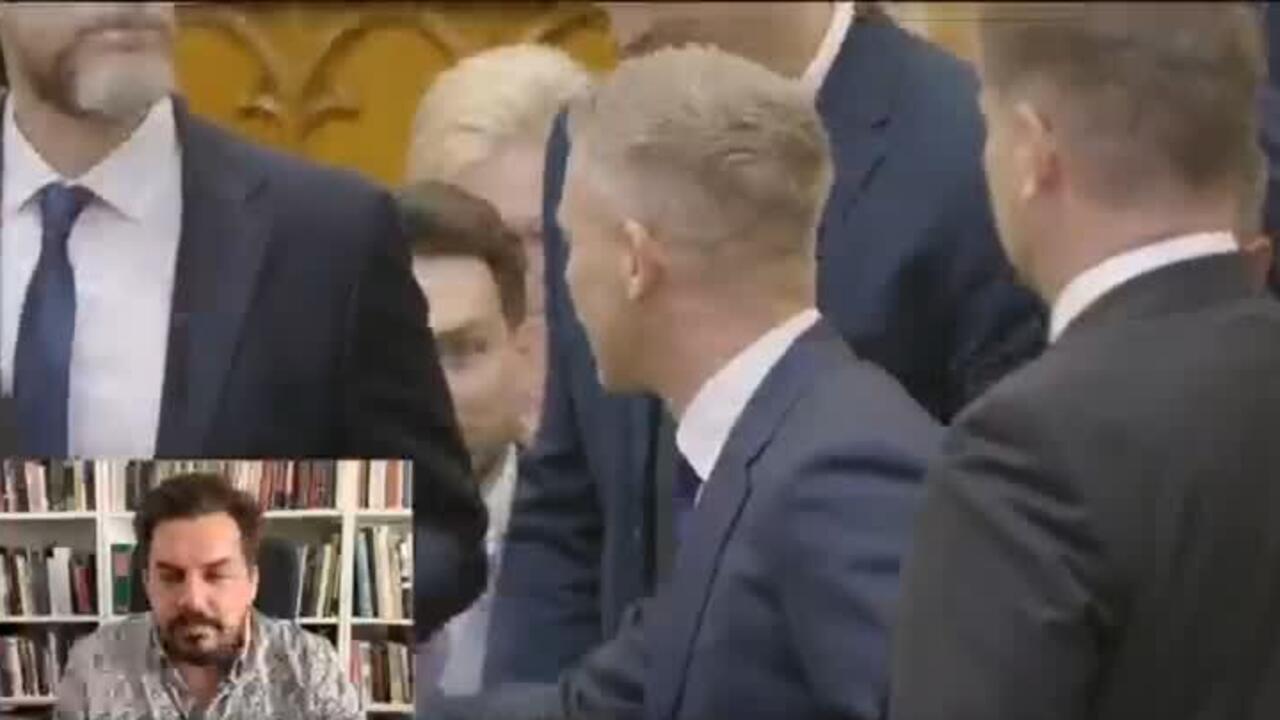
Hungary's incoming prime minister Péter Magyar was sworn into office on Saturday at the Hungarian Parliament in Budapest, formally concluding Viktor Orban's 16-year tenure as the nation's leader. The ceremony at the seat of government represents a definitive end to the current administration and signifies a major political shift within the country following the departure of the long-standing Fidesz leadership.
Magyar, who previously served as a member of Orban's Fidesz party, has characterised the transition as a "clean break" with his predecessor. During the proceedings, the change in leadership was framed not merely as a routine succession but as the beginning of a distinct new chapter for the state, moving away from the policies of the previous sixteen years.
The event underscores the institutional continuity of the parliamentary system even as the executive leadership changes hands. While the specific policy agenda of the new administration remains to be detailed, the rhetoric surrounding the inauguration emphasises a reset in governance. This approach suggests an intent to reorient the country's strategic direction without necessarily discarding the structural framework established during the prior era.
Zsolt Kerner, a senior reporter at Hungarian online media outlet 24.hu, described the proceedings as officially marking a new era for the nation. His assessment reflects the broader consensus among observers that the formalisation of Magyar's role signals a significant departure from the status quo that defined the previous administration.
The transition highlights the complex nature of political evolution within established European democracies. By maintaining party membership while seeking to distance the new government from its predecessor's legacy, Magyar navigates the delicate balance of institutional loyalty and the demand for fresh governance. The focus remains on the procedural completion of the handover, with the full scope of future policy initiatives yet to be articulated by the incoming cabinet.