Hungary's incoming administration sets 2030 target for euro adoption amid fiscal warnings
Premier-in-waiting Peter Magyar commits to meeting Maastricht criteria despite high debt levels; EU leaders welcome the shift as a signal of regional convergence
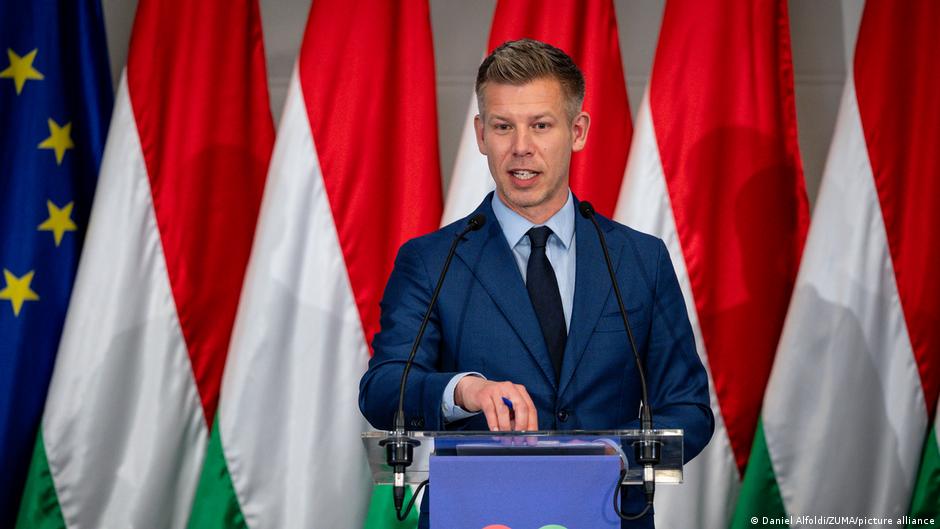
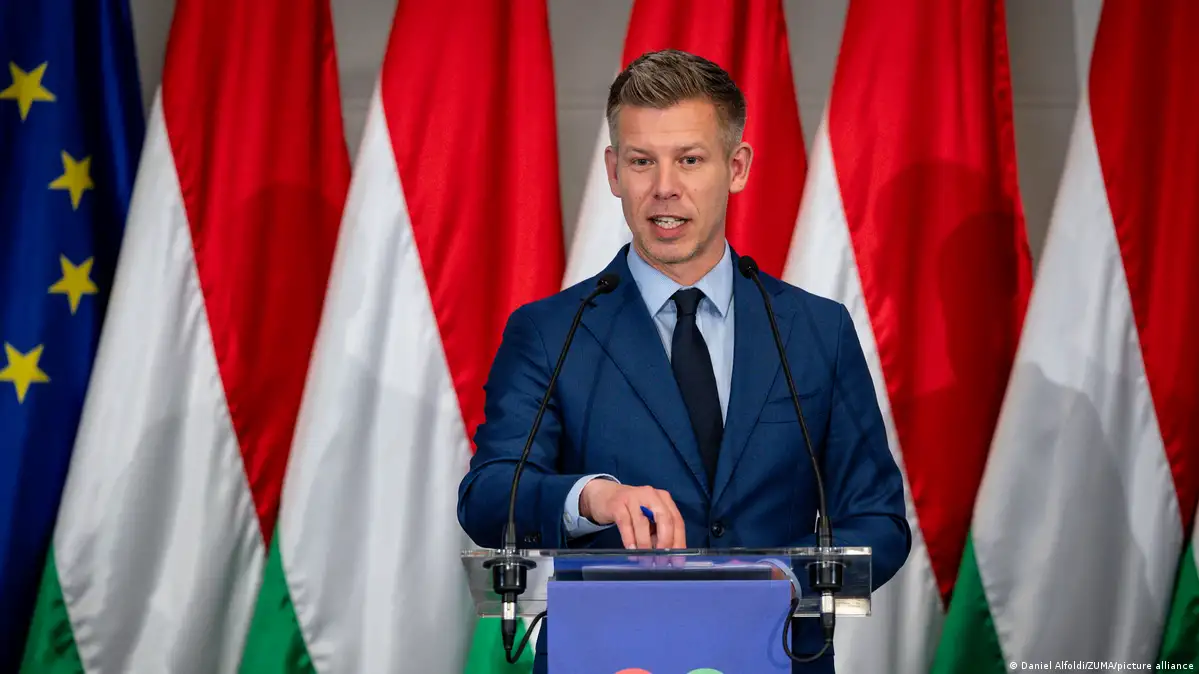
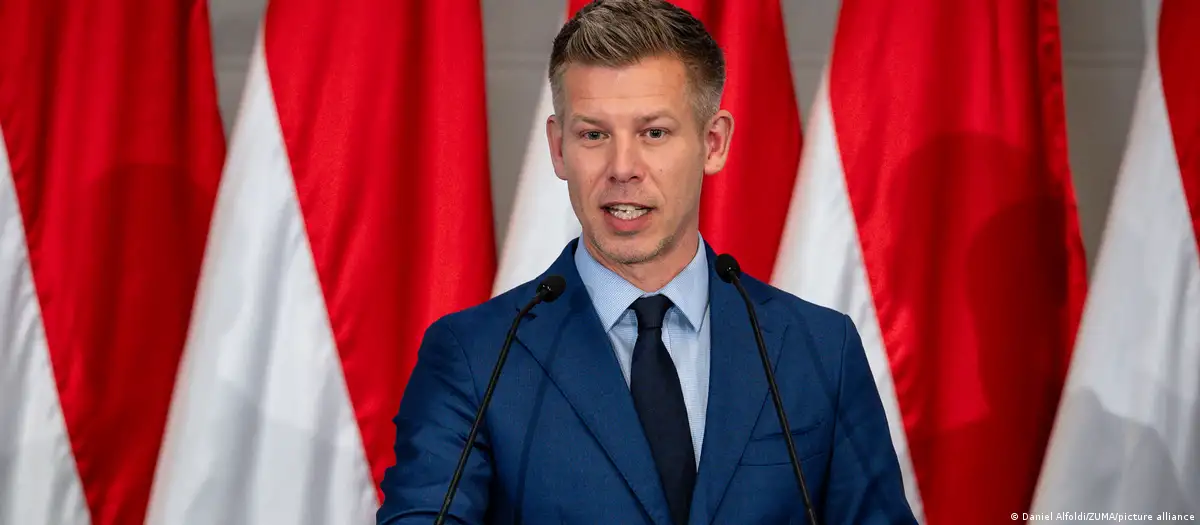
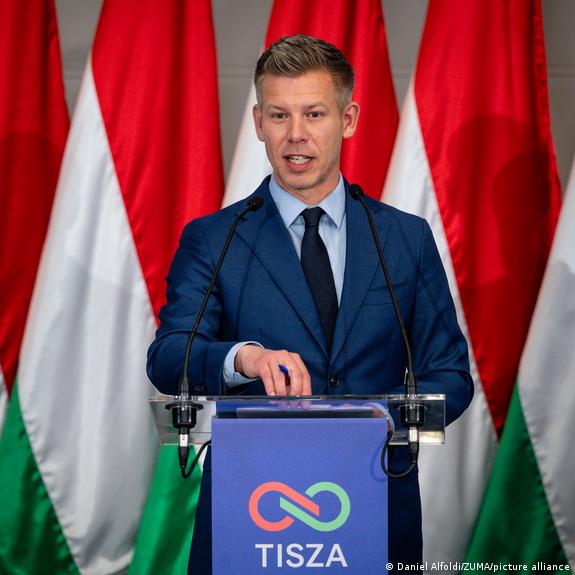
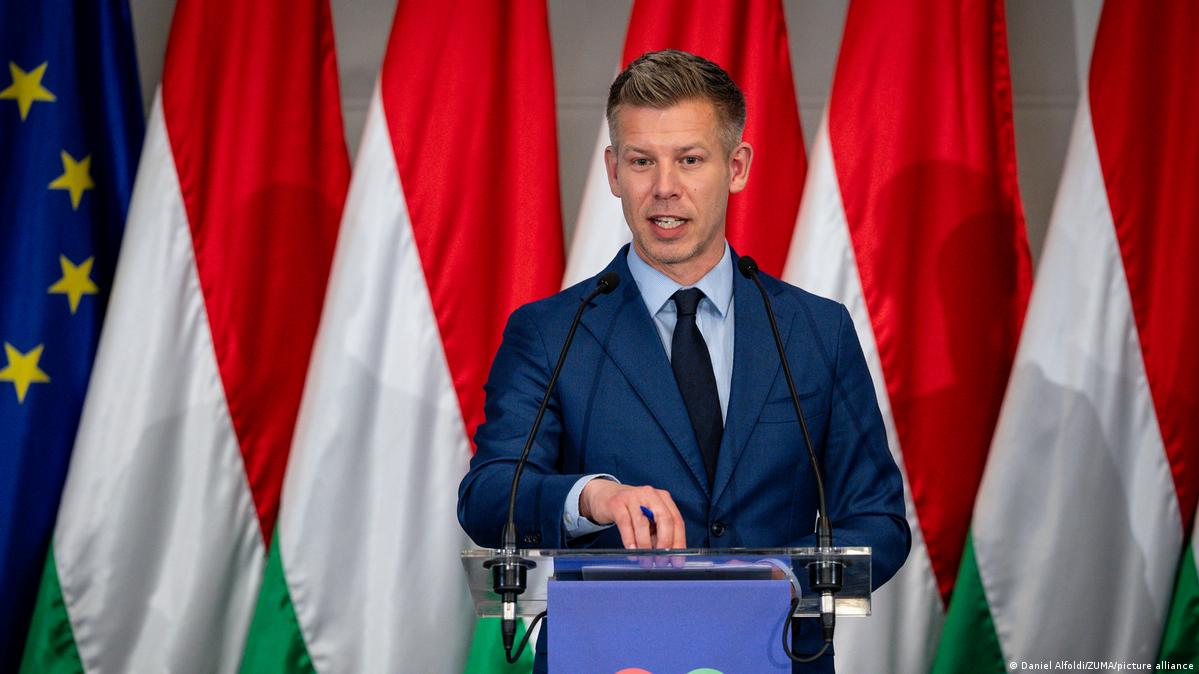
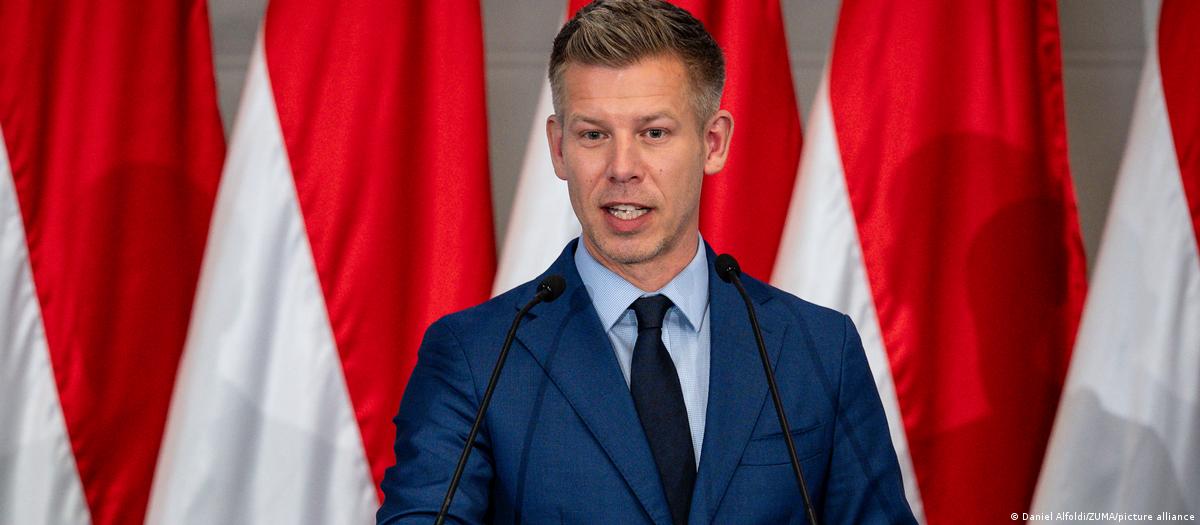
Hungary's incoming government, led by Premier-in-waiting Peter Magyar, has announced a strategic objective to adopt the euro by the end of 2030. This policy shift aims to repair strained diplomatic ties with the European Union and reposition the nation from the illiberal periphery back to the EU mainstream. A critical component of this plan involves urging Brussels to unfreeze approximately €17 billion in EU funds that were previously blocked due to rule-of-law concerns under the outgoing Viktor Orban administration.
The administration has explicitly committed to meeting the Maastricht criteria to facilitate euro adoption by 2030, despite the current fiscal deficit and high debt levels. European Commission President Ursula von der Leyen and ECB President Christine Lagarde have publicly endorsed Hungary's move as a positive signal for political cohesion and economic convergence in Central and Eastern Europe. However, the path forward remains steep, with experts warning that the country currently faces significant hurdles including a weak economy and a failure to meet the required fiscal demands.
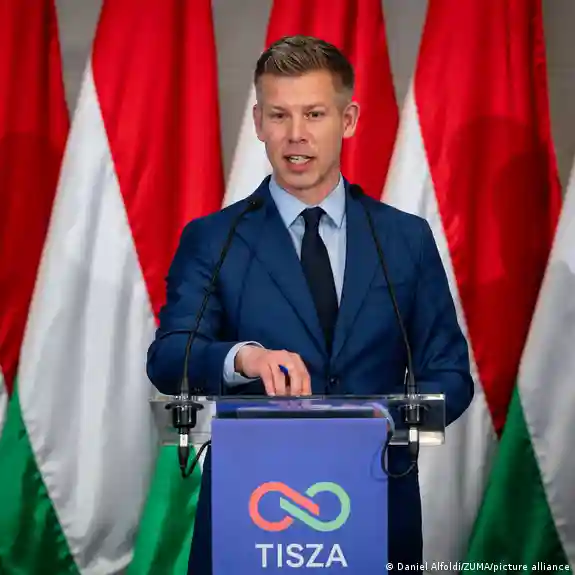
Public sentiment data from a 2025 survey indicates that roughly 75 per cent of Hungarians support euro adoption, though nearly as many acknowledge the country is currently unprepared. The Tisza party government intends to accelerate defence spending to meet NATO targets while simultaneously attempting to reduce the fiscal deficit, a combination economists caution may be contradictory. Sili Tian from the Economist Intelligence Unit noted that the deep cuts to government spending needed to tame the deficit will pose the biggest test for the incoming leadership.
Hungary remains one of only three Visegrad Group nations that has not yet adopted the euro, despite Slovakia joining in 2009. The new leadership hopes to tap into the benefits that turned its northern neighbour into a trade powerhouse, such as the elimination of exchange-rate risk and reduced transaction costs for its export-heavy economy. Once the government announces an official bid to join, it should bring increased stability for the forint and lower inflation and interest rates, according to analysts.
However, eurozone membership would require Hungary to lose autonomy over monetary policy and the ability to absorb shocks independently. Analysts at Capital Economics suggest the country will need to convince eurozone partners that euro entry is a shared goal across the political spectrum. They remain wary that Hungary could reverse course following the next elections scheduled for 2030 or return to an illiberal course while inside the single-currency area.
Despite these challenges, the administration is highly motivated to drive the new message home. Julia Kiraly, a professor at the Hungarian Academy of Sciences, stated that while a 2030 entry date may seem ambitious, it is not impossible provided the Maastricht criteria are met. The commitment to this timeline marks a significant departure from the previous era, aiming to secure a return to the European Union mainstream through economic convergence.