Hundreds gather in Tehran for pro-government rally demanding end to US threats and port blockades
Participants call for the cessation of perceived American threats and the lifting of restrictions affecting Iranian ports in a show of support for the current government
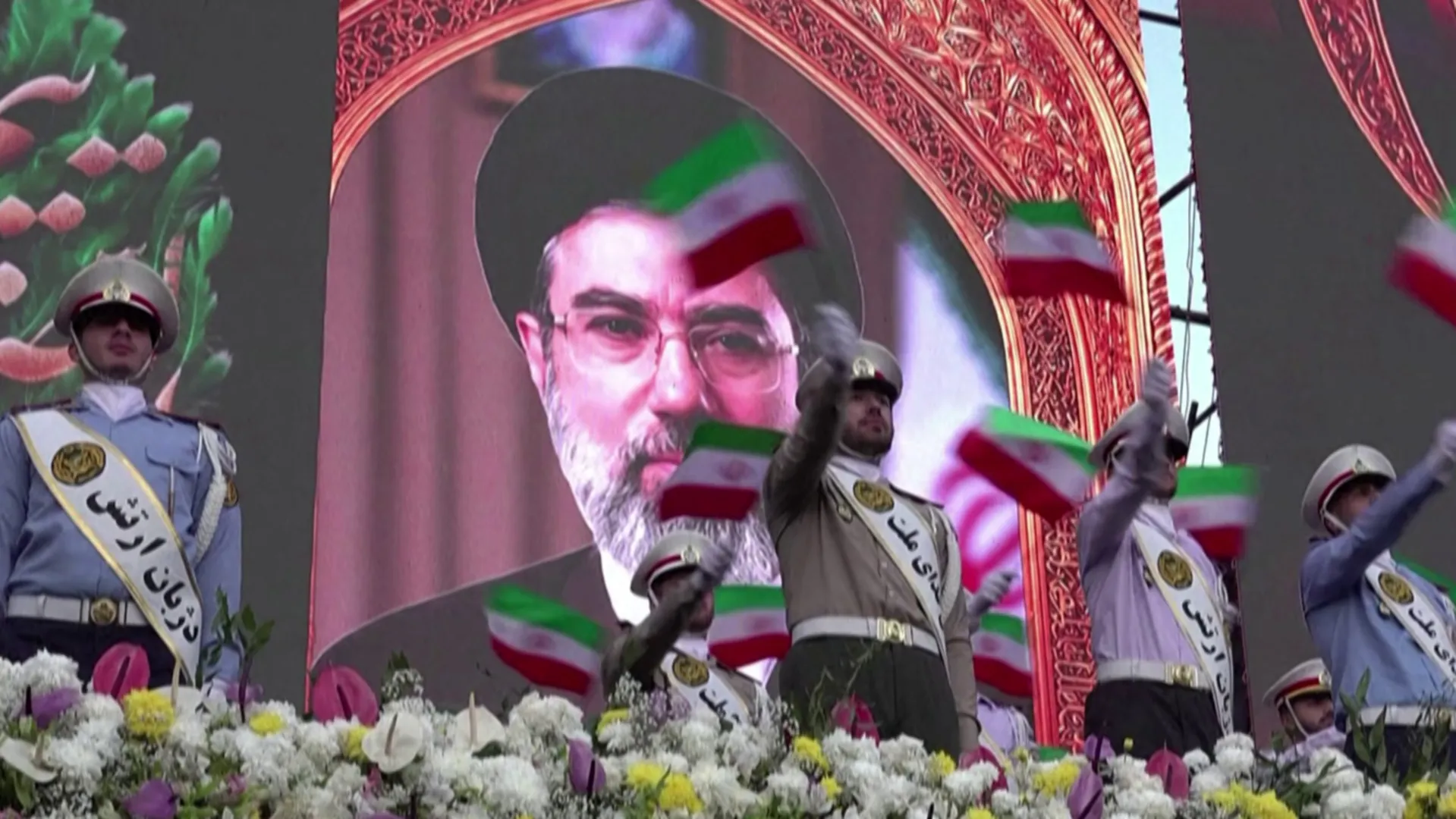
Hundreds of Iranians gathered in Tehran recently for a pro-government rally, an event characterised by its alignment with the stance of the current Iranian administration. The demonstration served as a public manifestation of the high tensions currently defining relations between Tehran and the United States.
The primary demands articulated by the participants focused on two critical areas of national concern. First, the crowd called for an immediate end to what they described as US threats, though the specific nature of these perceived dangers was not detailed in the available reporting. Second, the rally explicitly demanded the cessation of the ongoing blockade affecting Iranian ports, highlighting trade restrictions as a central grievance.
This gathering reflects the broader security dynamics at play, with the administration framing these issues as matters of national security and sovereignty. By organising a pro-government event, the administration seeks to consolidate support while addressing public anxieties regarding external pressure. The focus on port access suggests that economic sanctions or trade limitations are viewed as significant impediments to the country's stability.
The event, involving hundreds of attendees, indicates that the dispute over US policy has reached a level of public salience warranting large-scale mobilisation. While the exact number of participants remains an estimate, the scale of the turnout suggests a robust level of engagement with the government's narrative on international affairs.
Institutional reporting from the region notes that the rally was framed as a direct response to the perceived hostility from Washington. The organisers and participants appear to be leveraging the demonstration to pressure the administration to adopt a more assertive posture in its dealings with the United States.
As the situation develops, the lack of specific detail regarding the nature of the threats and the precise mechanism of the blockade remains a key uncertainty. However, the rally itself stands as a clear signal of the administration's priorities and the public's appetite for confronting these external challenges.