Humpback calf Timmy released into North Sea following private rescue initiative
A water-filled barge transport marks the culmination of a controversial rescue effort approved by Mecklenburg-Western Pomerania state, defying earlier assessments from the International Whaling Commission
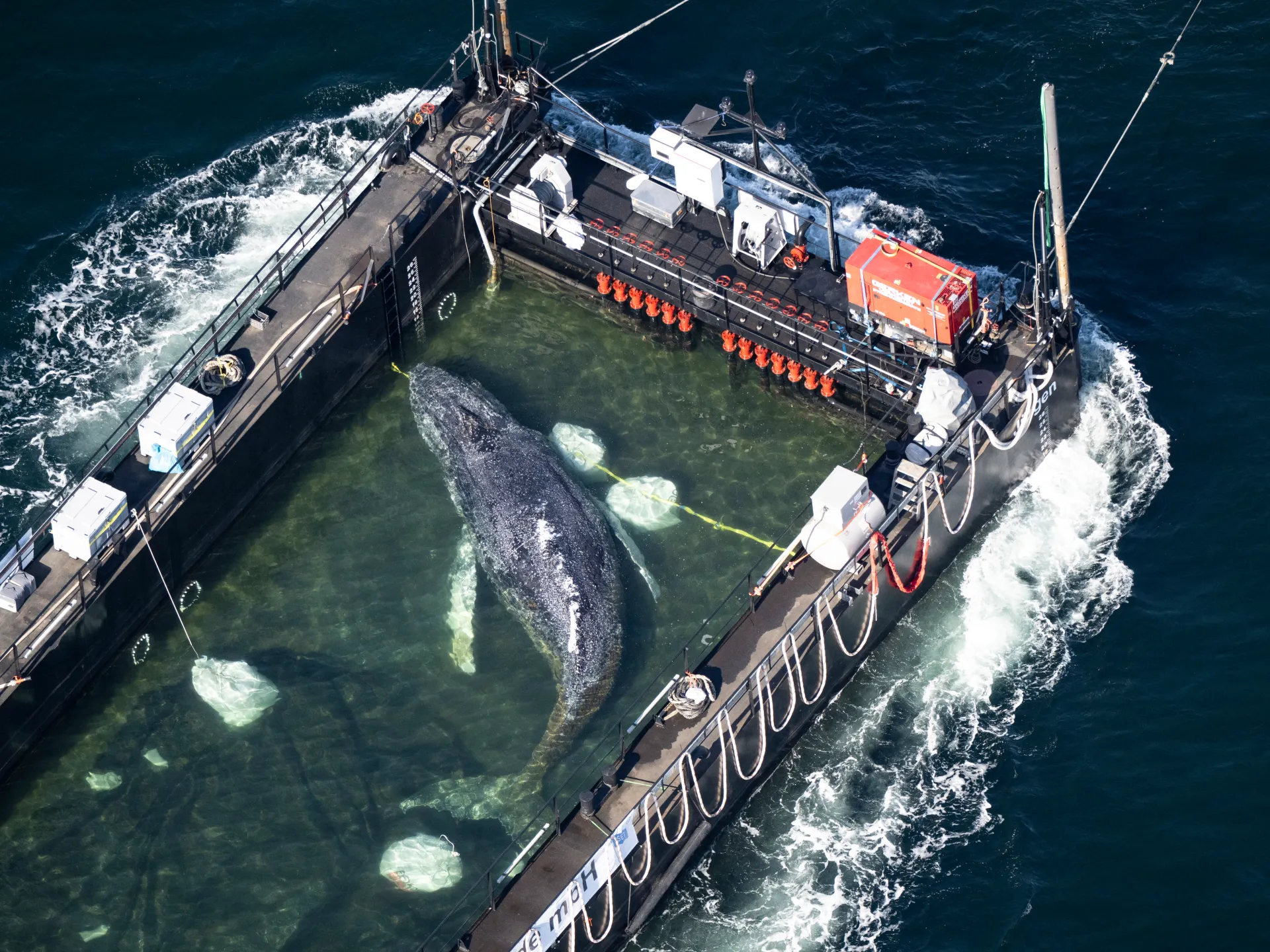
A humpback whale calf, identified as Timmy, has been released into the North Sea off the coast of Denmark, marking the conclusion of a high-profile rescue operation that defied earlier official assessments of the animal's viability. The operation, which transported the whale in a water-filled barge, was funded entirely by private individuals rather than state resources, following a period of intense public scrutiny regarding the calf's deteriorating health.
Timmy was first spotted near Germany's Baltic Sea coast on 3 March 2026, where he repeatedly became stranded in shallow waters far from his natural Atlantic Ocean habitat. The animal developed a skin condition attributed to the low salt content of the Baltic Sea, leading to periods of immobility and irregular breathing that sparked extensive media coverage and debate over whether to attempt a rescue or allow the animal to die naturally.
The decision to intervene faced significant institutional resistance, with the International Whaling Commission stating in April that the chances of survival had become negligible due to repeated stranding events. German officials had previously suggested the whale was doomed, yet a private initiative to save the animal was subsequently approved by the Mecklenburg-Western Pomerania state, marking a policy shift from official suggestions of inaction to an active, albeit privately funded, intervention.
Earlier attempts to return the whale to deeper waters using inflatable cushions and a pontoon failed to move the distressed calf, necessitating the deployment of a specialised water-filled barge to transport him. This logistical approach allowed the team to move Timmy safely from the shallow coastal zones where he had become trapped, addressing the immediate physical constraints that had rendered previous rescue methods ineffective.
Upon release, observers reported that the whale appeared to be swimming freely and orienting itself correctly toward the Norwegian coast and the Arctic. Karin Walter-Mommert, a private financier of the operation, confirmed that the animal seemed healthy and was heading in the appropriate direction, suggesting the intervention had successfully reversed the trajectory that had led to his entrapment in the Baltic.
A GPS transmitter was attached to the whale prior to release to monitor his future movements, providing a mechanism to verify long-term survival and migration success. While the specific reasons for the whale's initial entry into the Baltic Sea remain unclear, with experts suggesting he may have lost his way while pursuing a shoal of herring or during migration, the attachment of the device aims to resolve the uncertainties surrounding his journey home.
The case highlights the tension between institutional caution regarding animal welfare and the capacity for private initiative to alter governance outcomes in conservation matters. As the whale heads north, the focus now shifts to the efficacy of the monitoring equipment and the ultimate success of a migration that experts had previously deemed unlikely to succeed.