How colonial rule hardened the Hutu-Tutsi divide
A history of colonial classification continues to shape political violence, citizenship disputes and insecurity across Rwanda, Burundi and eastern Democratic Republic of the Congo.
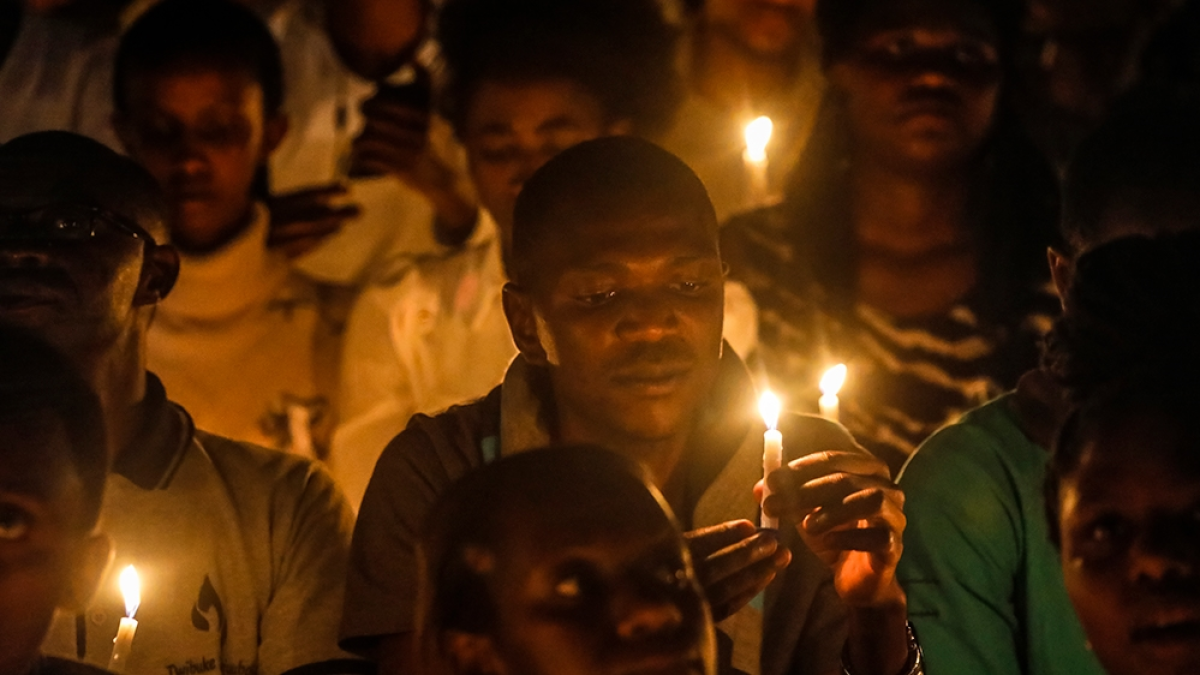
Hutu and Tutsi identities existed before European rule, but colonial administrations in Rwanda and Burundi gave them a more rigid political and administrative meaning. Al Jazeera’s report traces how censuses, identity cards, schools and colonial theories turned fluid social distinctions into fixed categories.
The legacy became central to Rwanda’s political crisis and the 1994 genocide against the Tutsi. Between 800,000 and one million people were killed during the 100 days that followed, primarily Tutsi civilians and moderate Hutu, according to the United Nations International Criminal Tribunal for Rwanda. The genocide ended in July 1994 when the Rwandan Patriotic Front took control of the country.
The consequences extended into neighbouring states. About two million Rwandans fled after the RPF victory, including former soldiers and Interahamwe members. More than one million refugees were in what was then Zaire by the end of 1994, while networks that crossed the border later contributed to the emergence of the Democratic Forces for the Liberation of Rwanda, which remains active in eastern DRC.
Burundi had already experienced cycles of violence involving Hutu and Tutsi, including the killing of President Melchior Ndadaye during a 1993 military coup attempt. Tens of thousands were killed and many more displaced before the country entered a civil war that lasted more than a decade.
In eastern DRC, colonial-era migration and borders left communities with shared language and cultural ties divided across states. Disputes over citizenship and belonging now intersect with struggles over land, political power, territory and natural resources, as well as the weakness of the Congolese state.
The region’s competing security claims remain disputed. Rwanda says the FDLR is a threat and denies Kinshasa’s accusation that it supports M23. The Congolese government denies supporting the FDLR. The contested allegations sit alongside a broader conflict in which identity is used to determine who belongs, who can access land and who holds political rights.