How 9/11 reshaped the language and machinery of conflict
An Al Jazeera analysis argues that post-9/11 terminology created distance from torture, detention and civilian harm while embedding pre-emptive security logic in US politics.
The “war on terror” did more than define the United States’ response to the 11 September 2001 attacks. According to an analysis by Al Jazeera, it also introduced a bureaucratic vocabulary that helped recast torture, detention and military force as technical instruments of government.
Terms including “enhanced interrogation”, “extraordinary rendition”, “enemy combatants” and “precision strikes” became part of the political mainstream. Experts cited by Al Jazeera argue that the language sanitised violence, created moral distance from its consequences and helped portray extraordinary measures as lawful policy.
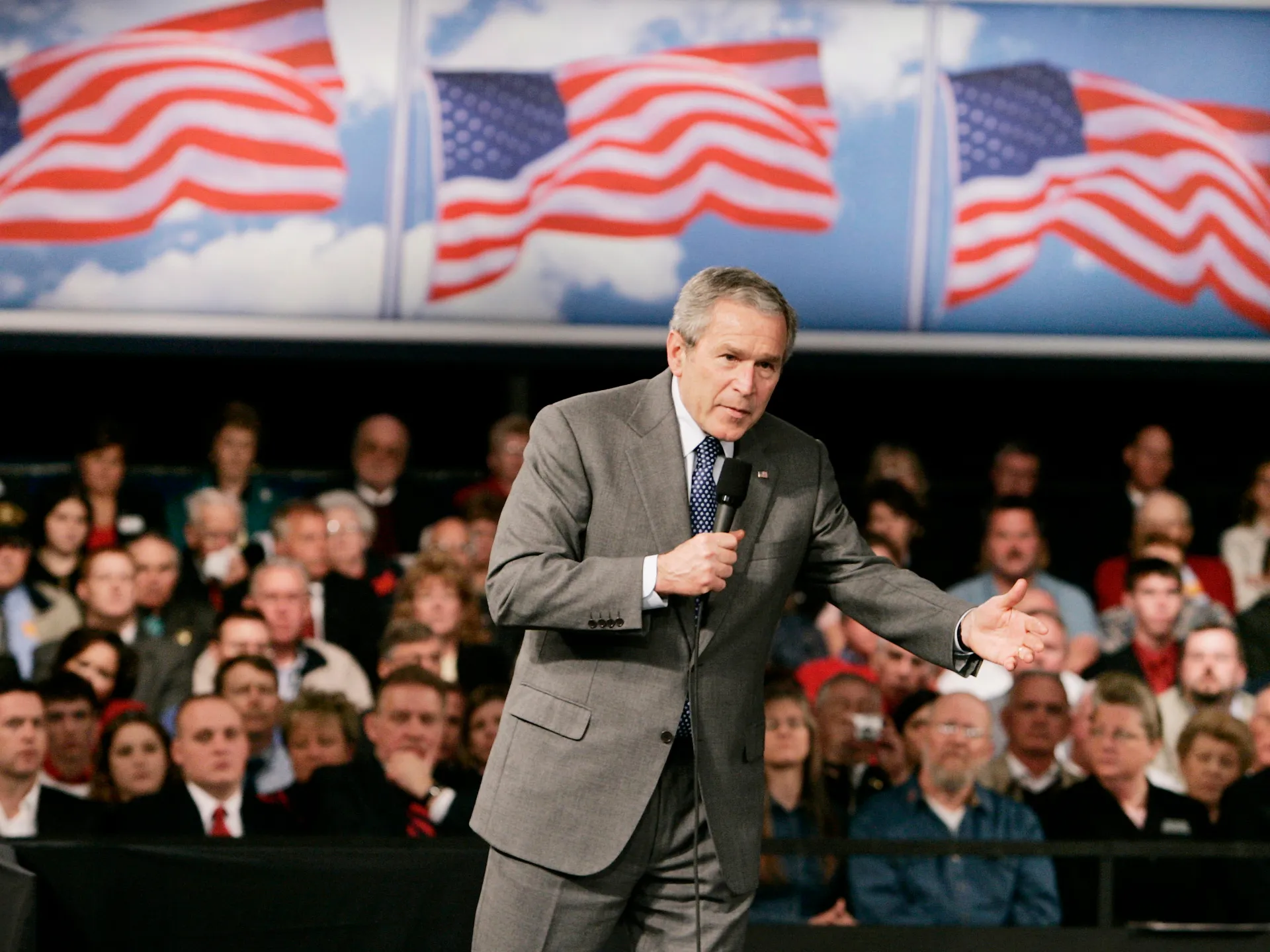
President George W Bush declared a global “war on terror” after the attacks, while Congress authorised the use of force through the 2001 Authorisation for Use of Military Force. The campaign soon extended beyond a defined country or organisation, with the US invading Afghanistan in 2001 and Iraq in 2003. Claims that Iraq possessed weapons of mass destruction were not borne out.
The resulting security architecture included Guantanamo Bay, CIA “black sites”, expanded surveillance, Abu Ghraib and the Department of Homeland Security. Al Jazeera’s analysis says this framework shifted policy from responding to established threats towards managing possible future ones, widening the scope for intelligence gathering, detention, border controls and executive power.
Although Barack Obama declared the “war on terrorism” over in 2013, the analysis argues that its institutions and assumptions endured. The phrase is used less often, but experts told Al Jazeera that its pre-emptive logic remains visible in US political rhetoric and in the way threatening communities are described and governed.