How 9/11 reshaped Germany’s security and military policy
A Deutsche Welle retrospective examines Germany’s links to the September 11 attacks and the lasting consequences for security law, intelligence oversight and Afghanistan.
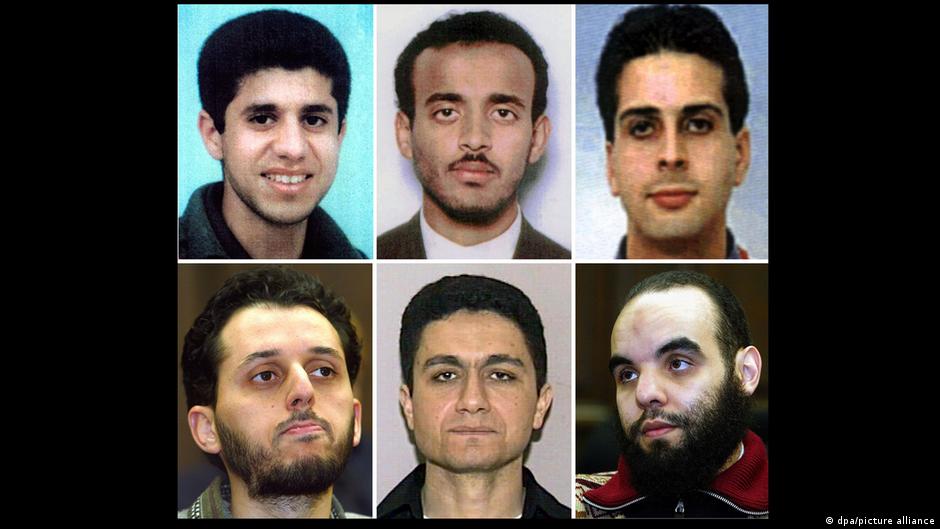
Germany’s connection to the September 11, 2001 attacks extended beyond the deaths of 11 German citizens among nearly 3,000 victims. A Deutsche Welle retrospective recalls that three suspected hijackers had recently lived in Hamburg, including Mohammed Atta, described as a central figure in the plot.
The so-called Hamburg cell was believed to have included Moroccan national Mounir al-Motassadeq. In 2003, he was convicted in Germany of aiding and abetting thousands of murders and belonging to a terrorist organisation. The retrospective presents the cell’s membership and individual roles as matters established through investigations and court proceedings, rather than as uncontested fact.
The attacks quickly changed Germany’s domestic security framework. A first security package expanded funding, staffing and powers for police and intelligence agencies, while a subsequent Anti-Terrorism Act widened access to personal data held by banks, airlines and telecommunications companies and tightened immigration laws.
Authorities also introduced data-mining searches designed to identify possible “sleeper agents” by cross-checking large volumes of information without a specific suspicion. Germany’s Federal Constitutional Court later restricted the practice, ruling in 2006 that it required a specific threat. In 2013, the court also found parts of the country’s anti-terrorism database unconstitutional.
The retrospective revisits the detention of Murat Kurnaz, a German-born man held at Guantanamo Bay for nearly five years before his release in August 2006. Parliamentary inquiries examined why German and US intelligence agencies had scrutinised him and why German authorities rejected his possible return in 2002.
The attacks also drew Germany into the US-led war in Afghanistan. Germany joined the conflict in December 2001, which ended in August 2021 with the Taliban’s return to power. The retrospective records the deaths of 59 Bundeswehr personnel and three German police officers during the war.