Houthis strike Saudi oil tankers in Red Sea over blockade breach
Yemen’s Houthi rebels have confirmed attacks on Saudi Arabian oil tankers, citing violations of a maritime blockade. The incident follows a recent naval embargo and intensifies pressure on global energy supply routes.

A spokesperson for the Houthi rebel group in Yemen announced on July 23 that the faction launched missile and drone attacks against two Saudi Arabian oil tankers in the Red Sea. The group identified the targeted vessels as the ENCELA and the LAYLIA, stating they were struck for breaching a maritime blockade imposed by the Houthis.
Houthi military spokesperson Yahya Saree confirmed that the strikes involved ballistic and cruise missiles, alongside drone operations. Reports indicate that fires broke out on board the tankers following the attacks. The extent of the damage to the vessels and the status of their crews remain unclear, though the Houthis claimed the incident forced nearly ten other ships to abandon their routes and turn back.
The escalation comes shortly after the Yemeni government bombed Houthi-controlled Sanaa Airport on July 19, 2026. That action was taken to prevent an Iranian plane from landing, a move that heightened hostilities between the rival factions. Jordan had previously proposed resuming flights between Amman and Sanaa, a proposal the Houthis have rejected, while Saudi Arabia has denied claims that it is imposing a siege on Yemen.
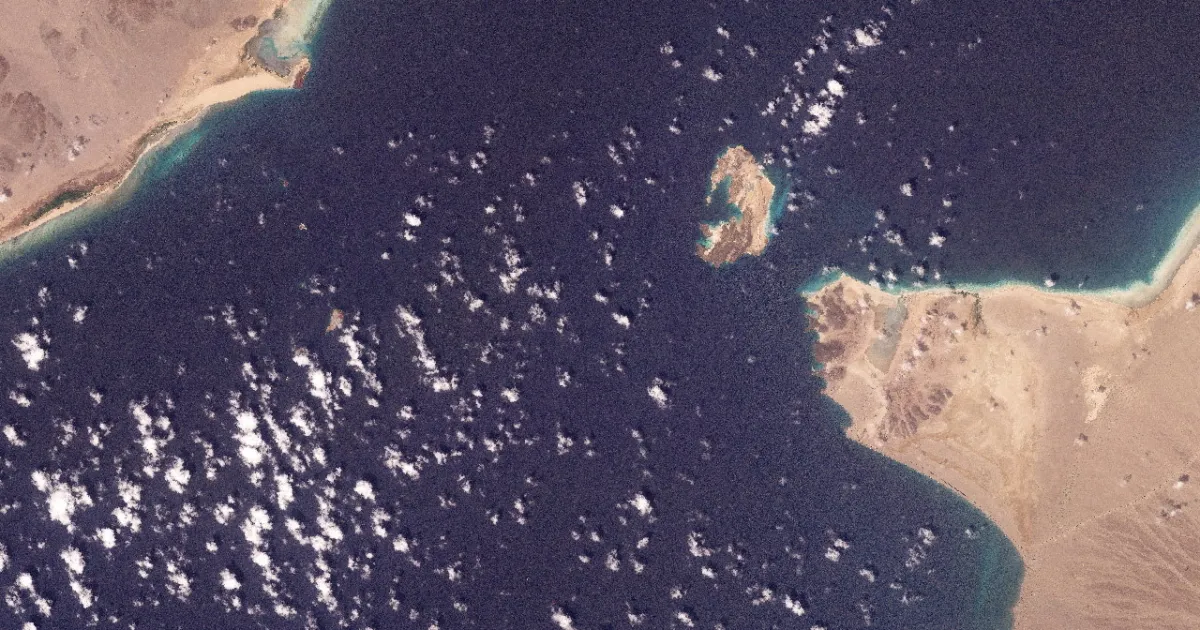
The strategic significance of the Red Sea has intensified since the Strait of Hormuz was effectively closed in late February 2026 due to the US-Israel war on Iran. This closure has increased reliance on the Red Sea route for Saudi oil exports. Analysts note that shutting down the Bab al-Mandeb strait could potentially block 25 percent of the world’s oil and gas supply, compounding existing disruptions to global commerce.
The Houthi naval embargo on Saudi vessels was announced on July 20, 2026, just days before the attacks on the ENCELA and LAYLIA. The group’s actions underscore the growing instability in the region and the potential for further disruption to international shipping lanes critical to global energy markets.