Houthis claim missile strikes on Saudi oil tankers in Red Sea
Yahya Saree says ENCELA and LAYLIA targeted; UK maritime watchdog confirms projectile impact
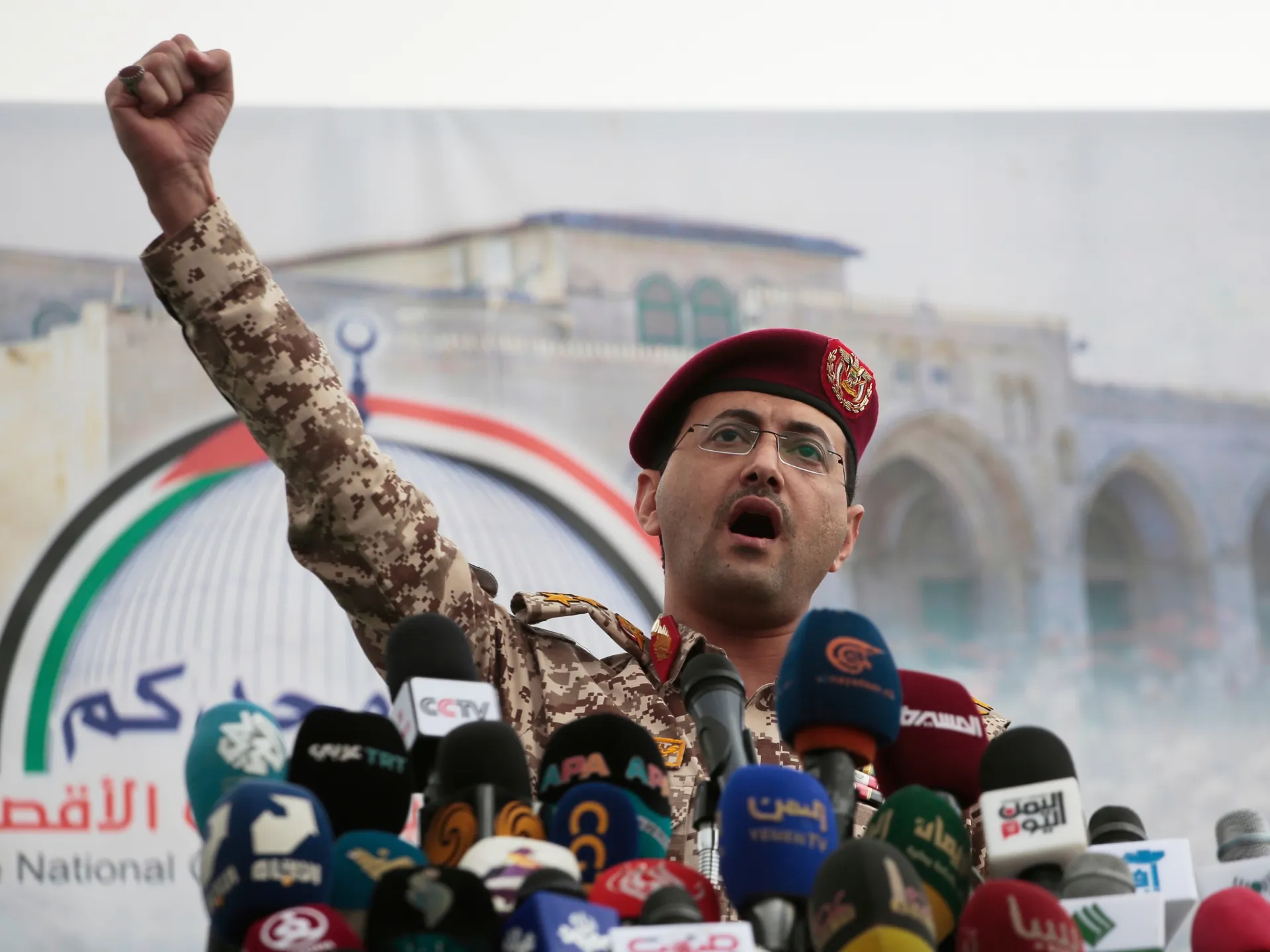
Yemen’s Iran-aligned Houthi rebels have claimed responsibility for attacking two Saudi oil tankers, identified as ENCELA and LAYLIA, in the Red Sea. Houthi military spokesperson Yahya Saree stated the strikes were conducted using ballistic and cruise missiles, as well as drones, resulting in fires on board the vessels. The group reported that nearly ten other ships were forced to abandon their routes and turn back.
The United Kingdom Maritime Trade Operations (UKMTO) confirmed reports that a tanker was struck by an unknown projectile, causing an onboard fire that the crew is currently fighting. Saudi Arabia has not publicly commented on the claims, leaving the operational status of the vessels unverified by the target state.
The attacks follow a Houthi naval embargo on Saudi vessels announced on 20 July 2026. This escalation occurred shortly after the Yemeni government bombed Houthi-controlled Sanaa Airport on 19 July 2026 to prevent an Iranian plane from landing. Jordan had proposed resuming flights between Amman and Sanaa, a proposal the Houthis have rejected, while Saudi Arabia has denied claims that it is imposing a siege on the Yemeni people.
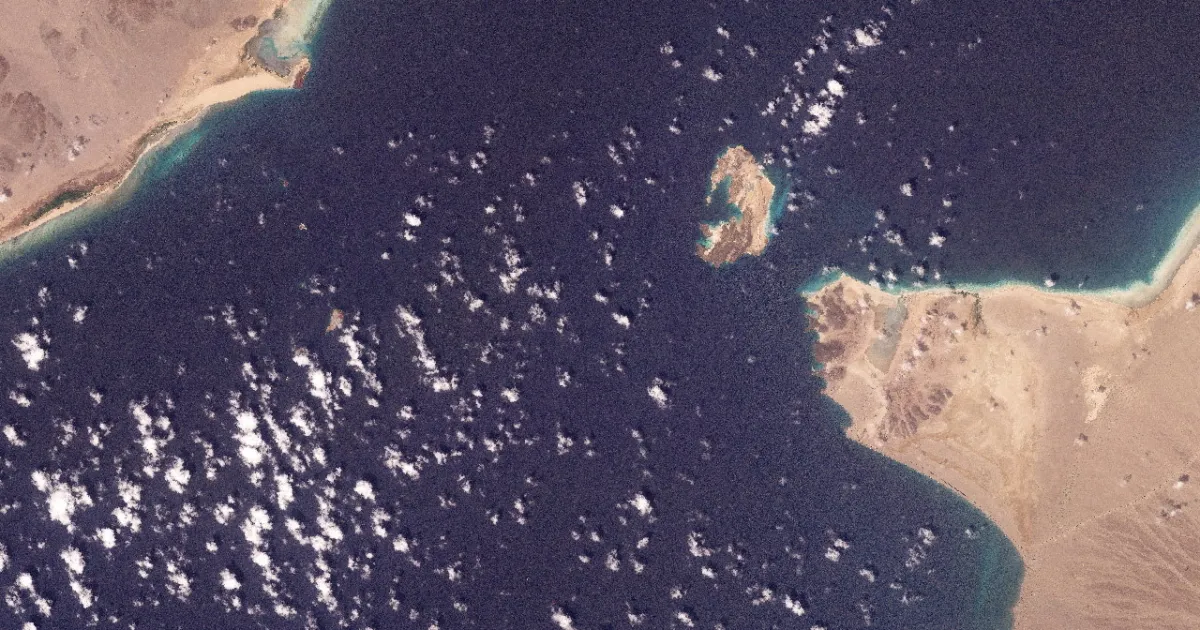
The Bab al-Mandeb Strait, a critical chokepoint for global energy supplies, has seen heightened tensions. In 2024, approximately 4.1 billion barrels of crude oil and refined petroleum products passed through the strait, representing about five percent of the global total. The narrow waterway, which is just 29km wide at its tightest point, limits traffic to two channels for vessels using the Suez Canal.
The strategic importance of the route has intensified since the Strait of Hormuz was effectively closed in late February 2026 due to the US-Israel war on Iran. This closure has increased reliance on the Red Sea route for Saudi oil exports. Analysts note that shutting down Bab al-Mandeb could potentially block 25 percent of the world’s oil and gas supply, compounding the disruptions to global commerce that began with Houthi attacks in October 2023.