Houthi strikes on Saudi oil infrastructure deepen regional instability amid US-Iran diplomatic stalemate
Attacks on Aramco facilities in Jizan and Yanbu coincide with suspended US air strikes and escalating tensions in the Caspian Sea, raising fears of critical shipping blockades.
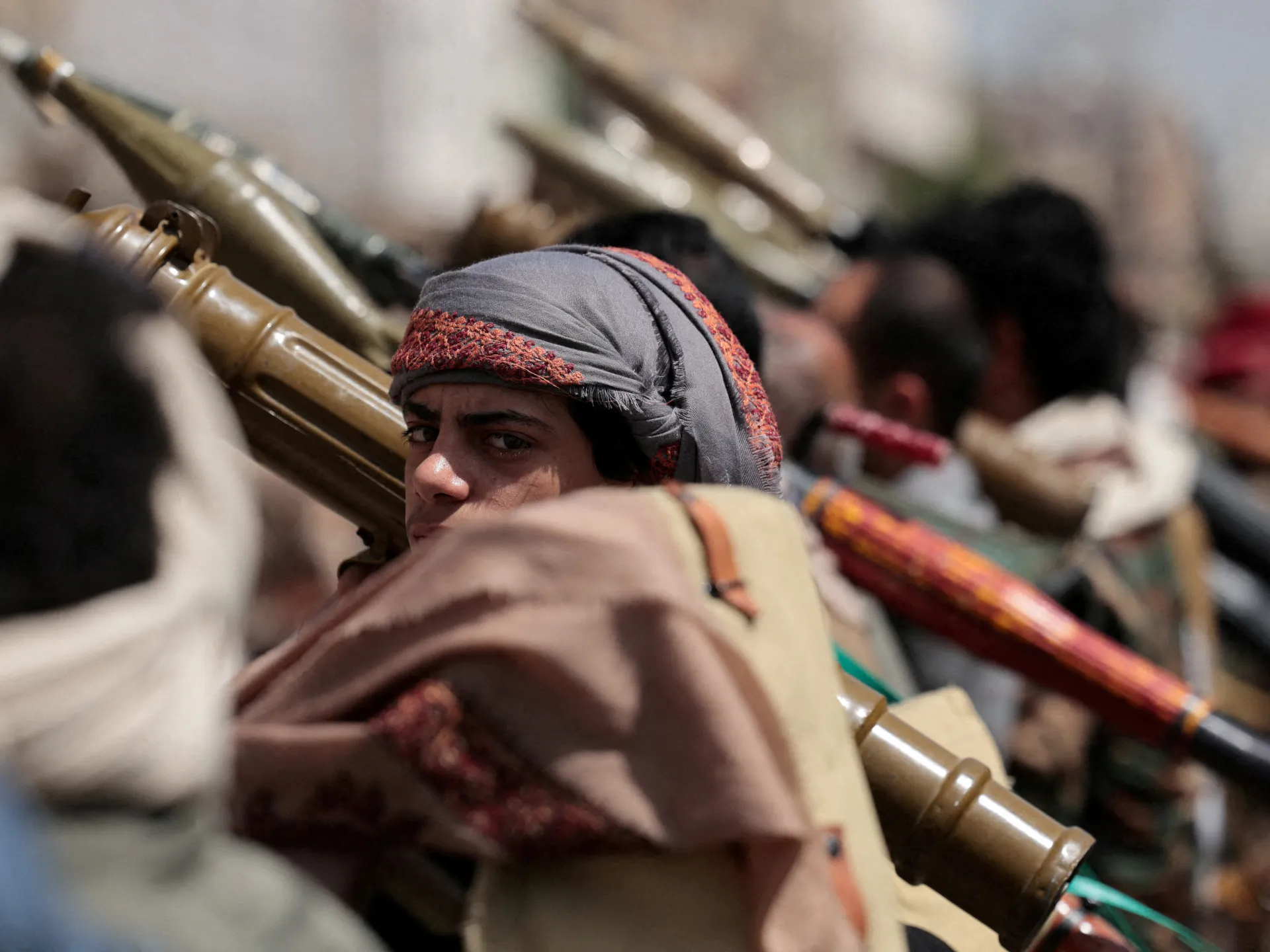
Tehran-backed Houthi forces in Yemen have launched a coordinated assault involving missiles and drones against two strategic Saudi Aramco oil facilities in the coastal cities of Jizan and Yanbu. The attacks, confirmed by Houthi military spokesman Yahya Saree, represent a significant escalation in the regional conflict that has been reignited following the war initiated by the United States and Israel against Iran. The strikes occurred against a backdrop of suspended US air operations on Iran, with President Donald Trump indicating that diplomatic channels remain open despite the collapse of a June interim peace agreement.
In Yanbu, a principal export gateway on Saudi Arabia’s west coast, two ballistic missiles targeting oil installations were intercepted by a Patriot air defence battery. This system is operated by the Greek military under a bilateral agreement with Riyadh. Meanwhile, a large column of smoke was observed rising from the Aramco refinery in Jizan following the attack. As of Sunday morning, the Saudi government had not issued a statement regarding the extent of the damage to the Jizan facility.
The escalation in the Red Sea region coincides with a sudden cessation of US air strikes on Iran, which had persisted in 13 consecutive waves since July 11. A senior US administration official told Reuters that President Trump’s preference remains diplomacy, though he has demonstrated the consequences of failing to engage seriously. On Friday, Trump stated that Iran is currently communicating with the US and “would love to make a deal,” although he noted that Tehran is not yet ready to finalise an agreement.
Concurrently, hostilities have expanded to the Caspian Sea, where tensions between Ukraine and Iran have intensified. Iran’s Ministry of Foreign Affairs blamed Ukraine for a long-range strike on an Iranian vessel on Saturday, an incident that killed one sailor and wounded another. Tehran summoned Kyiv’s charge d’affaires to condemn the act as “hostile and criminal.” Ukrainian President Volodymyr Zelenskyy claimed responsibility for the strike on social media, stating that Kyiv targeted vessels used in military cargo shipments involving Iran and a warship.
The convergence of these conflicts has raised urgent concerns regarding global energy security and supply chains. Houthi forces have declared a naval blockade of Saudi Arabia, and fears are mounting that they may block the Bab al-Mandeb Strait. Combined with Iran’s previous restrictions on shipping in the Strait of Hormuz, a dual blockade would severely disrupt the export of oil and fertiliser raw materials, posing a significant risk to food security in vulnerable nations. Iranian officials in Tehran have confirmed that while mediators are conveying proposals, there has been little progress due to fundamental differences and deep mistrust between Washington and Tehran.