Houthi attacks test the limits of the Mecca defence pact
Saudi Arabia has not requested assistance under its agreement with Pakistan and Turkiye, leaving the pact’s collective-response mechanisms untested.
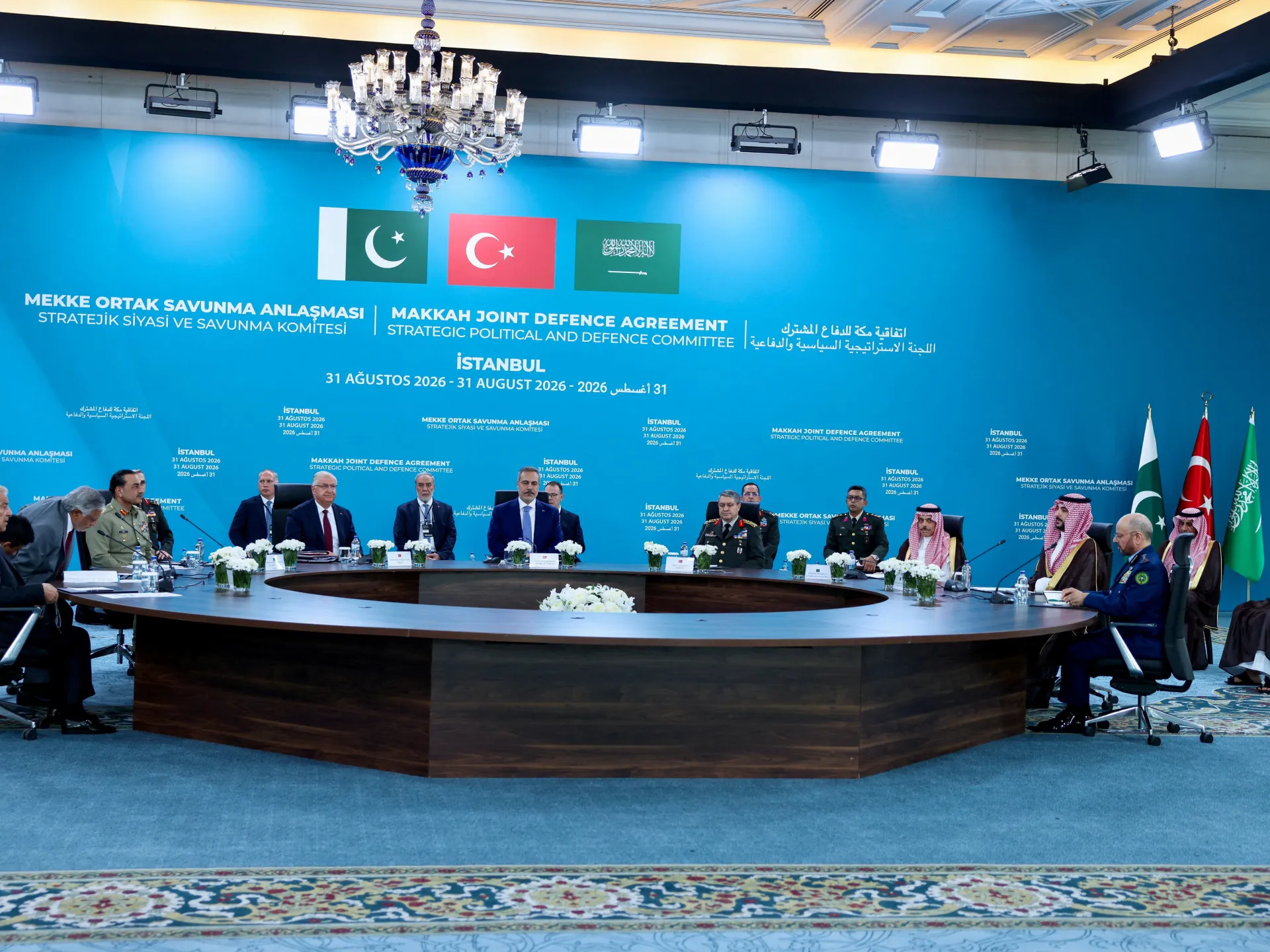
Reports of Houthi attacks on Saudi cities and threats to maritime traffic near the Bab al-Mandeb have prompted debate over whether the Mecca Joint Defence Agreement could be activated. Saudi Arabia, Pakistan and Turkiye are parties to the pact, but Riyadh has not invoked it.
Al Jazeera Global News reported that Pakistan’s Defence Minister, Khawaja Asif, said unprovoked aggression against Saudi Arabia or spillover from Yemen would make the agreement operational. Turkiye’s Foreign Minister, Hakan Fidan, has said the pact would function similarly to NATO, with the attacked member required to request and define the assistance it needs.
The agreement was signed by Saudi Arabia and Pakistan in September 2025, before Turkiye joined in August 2026. A joint secretariat has reportedly been established in Riyadh, with Pakistan holding the initial three-year chairmanship. Its thresholds, consultation procedures, rules of engagement and collective-defence mechanisms have not been publicly formalised.
Any response would therefore depend on a specific Saudi request and consultations over its scope. Potential assistance could include diplomatic, air, technological and naval support. Pakistan already has aircraft, defence systems and thousands of troops deployed in Saudi Arabia, but direct Pakistani military action inside Yemen remains unlikely, according to the Al Jazeera analysis.
The source article says Pakistan and Turkiye could increase diplomatic pressure on Iran to restrain the Houthis, expand support for Saudi defences and pursue a multinational naval coalition around the Bab al-Mandeb. The reported Houthi gains, the extent of control near the waterway and the casualty figure have not been independently verified in the available material.