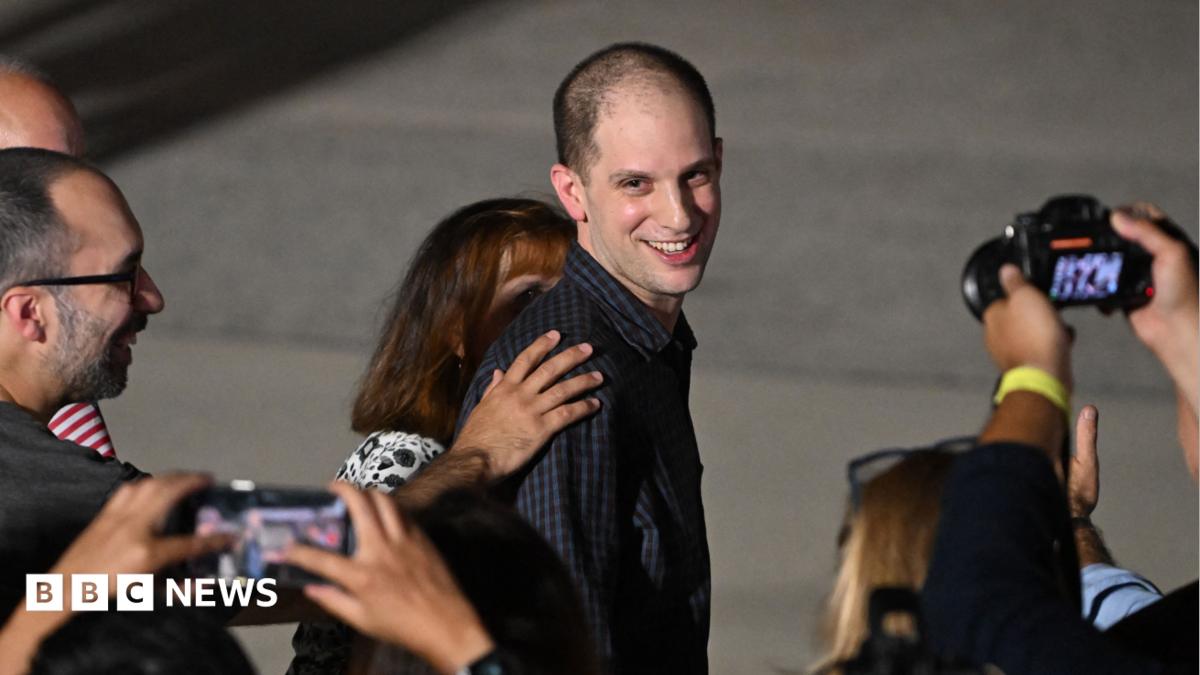
UK Prime Minister Keir Starmer faces mounting pressure to resign following disastrous local election results
With more than 1,460 council seats lost, the Prime Minister describes his administration as a "10-year project" despite polls showing half the electorate believes he should step down
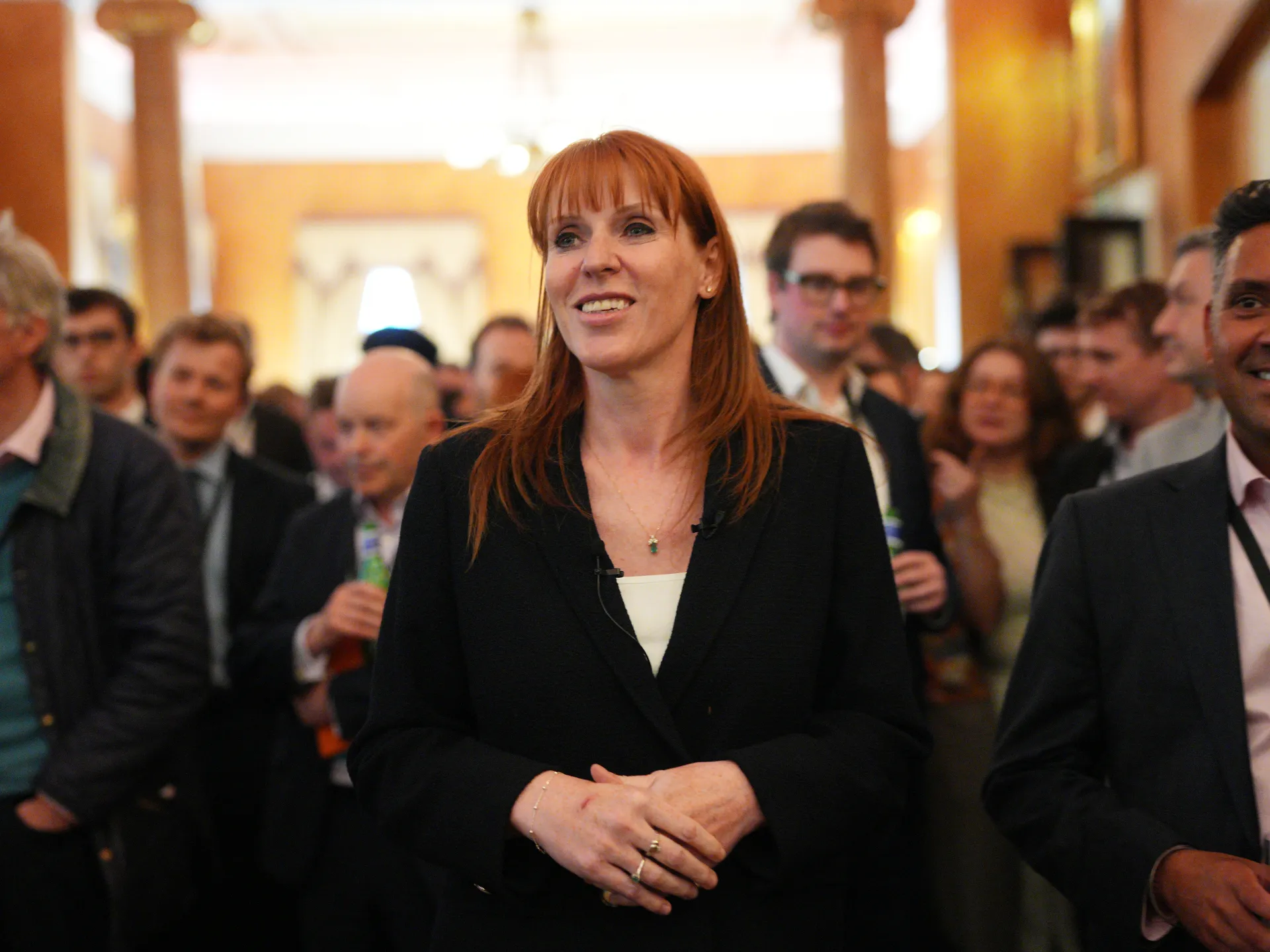
Prime Minister Keir Starmer is facing intensifying pressure to resign following the Labour Party's worst local election performance in over three decades. The governing party lost more than 1,460 council seats in England to Reform UK, a result that has sparked serious speculation regarding an imminent leadership contest within the Parliamentary Labour Party.
While Starmer has refused to step down, characterising his government as a "10-year project" and acknowledging past mistakes, the political landscape suggests a significant shift in momentum. The recent local elections marked a stark reversal of fortune for Labour, which came to power in July 2024 after 14 years of Conservative rule. In contrast, Reform UK, led by Nigel Farage, surged from fewer than 100 seats to approximately 1,450, capturing ground in traditional Labour strongholds across London, the former "Red Wall", and Wales.
Public dissatisfaction remains a central driver of this instability. The latest Ipsos Political Pulse opinion poll indicates that 50 per cent of the electorate believes Starmer should resign, while two-thirds believe he is unlikely to win re-election. This sentiment is compounded by specific policy failures, particularly regarding immigration control and the controversial appointment of Peter Mandelson as ambassador to the United States, which has drawn criticism despite Starmer's public apologies.
The threshold for triggering a formal leadership challenge is support from more than 20 per cent of Labour MPs, equivalent to 81 members. Reports suggest Health Secretary Wes Streeting may have already secured the necessary backing, citing the retention of seats in his Redbridge constituency as a positive indicator. Streeting is viewed by some allies as a capable communicator, although his past association with Mandelson has previously hampered his standing within the party.
Other potential contenders include former Deputy Prime Minister Angela Rayner, who has not yet formally declared a bid but has suggested backing Andy Burnham if he were to return to parliament. However, Burnham currently lacks a parliamentary seat due to a block by the National Executive Committee, preventing him from standing in the by-election required to mount a challenge. Meanwhile, MP Catherine West has retreated from her initial threat to trigger a contest, reserving the right to challenge only if a new leader is not chosen by Monday.
Observers note that while a leadership challenge is a serious possibility given the discontent in the Parliamentary Labour Party, no candidate currently enjoys universal support. The next general election must be held by July 2029, leaving the outcome of this internal struggle to potentially reshape the government's direction before the next mandate is sought.