Hormuz shipping resumes as US-Iran interim deal lowers oil prices
Al Jazeera reports that while maritime traffic has resumed through the Strait of Hormuz, full stability depends on a final pact and months of infrastructure repair.
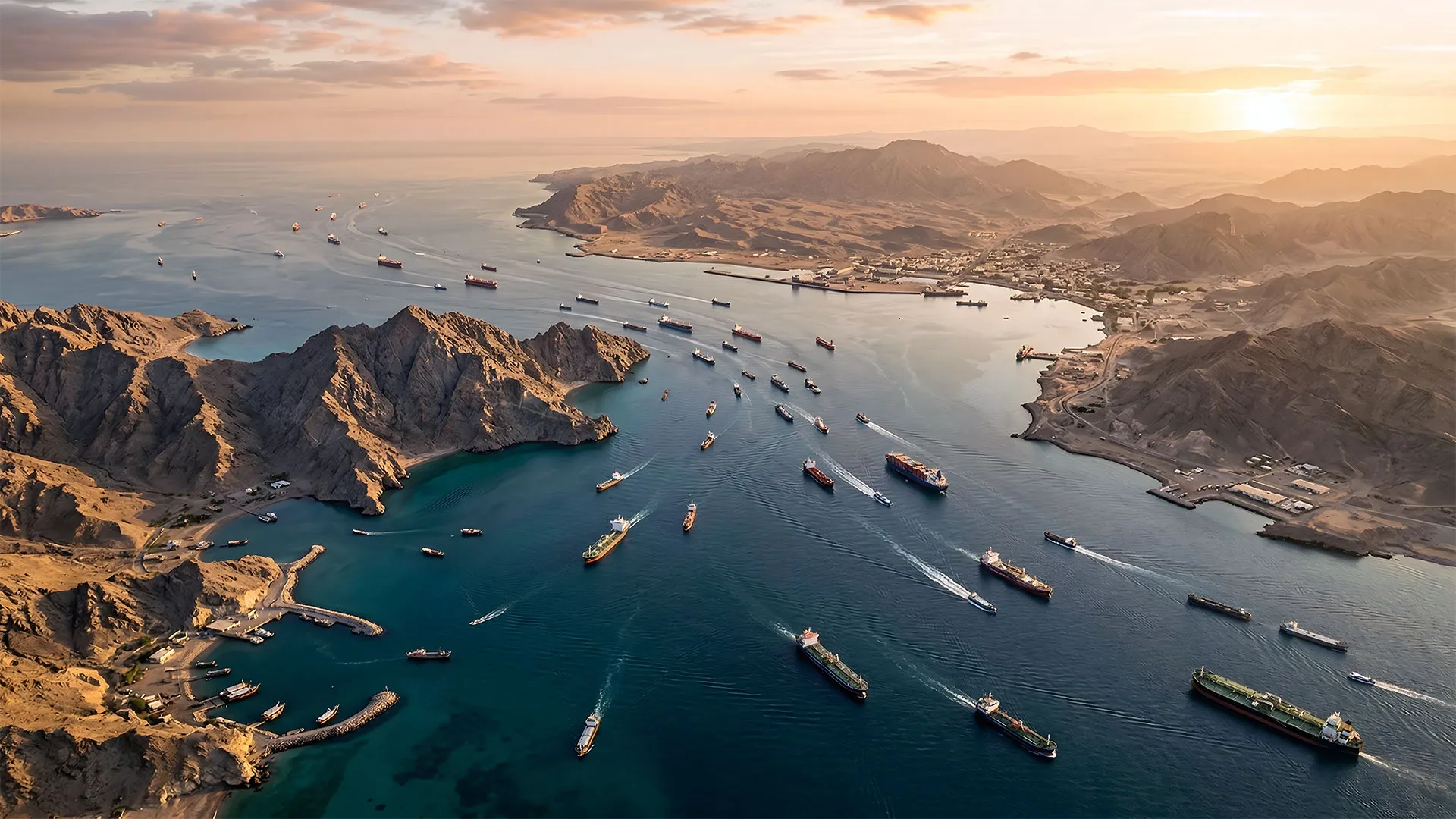
Shipping operations through the Strait of Hormuz have resumed following an interim agreement between Iran and the United States aimed at ending the conflict involving the US, Israel, and Iran. According to Al Jazeera Global News, the resumption of maritime traffic has contributed to a fall in global oil prices, marking a significant shift in market dynamics after months of disruption.
The interim deal serves as a temporary measure to halt hostilities, but analysts caution that the region is not yet out of the woods. A lasting economic recovery is contingent on whether Iran and the United States can successfully negotiate a final pact. Until such an agreement is secured, the geopolitical landscape remains fragile, and the durability of the current ceasefire is uncertain.
Significant physical and economic challenges remain in the region. Authorities must clear naval mines from the waterway and repair damaged energy infrastructure before normal operations can fully stabilise. These tasks are expected to take months, delaying the restoration of pre-conflict conditions and prolonging the period of uncertainty for international energy markets.
While energy prices have eased following the resumption of shipping, broader inflationary pressures persist. Al Jazeera notes that relief for consumers regarding food prices, electricity bills, and general inflation is projected to take months to materialise. The economic fallout from months of disruption continues to work its way through global supply chains, impacting essential goods and services.
The current situation underscores the complex relationship between geopolitical de-escalation and economic stability. While the interim deal has provided immediate relief to oil markets, the path to full economic recovery requires sustained diplomatic progress and extensive physical reconstruction efforts in the affected regions.