Hormuz closure halves Gulf oil exports as global shipping traffic plummets 95 percent
Six months into the conflict, the effective blockade of the Strait of Hormuz has reduced daily vessel traffic from over 100 to five, forcing a structural redirection of energy flows towards Southeast Asia and the Red Sea.
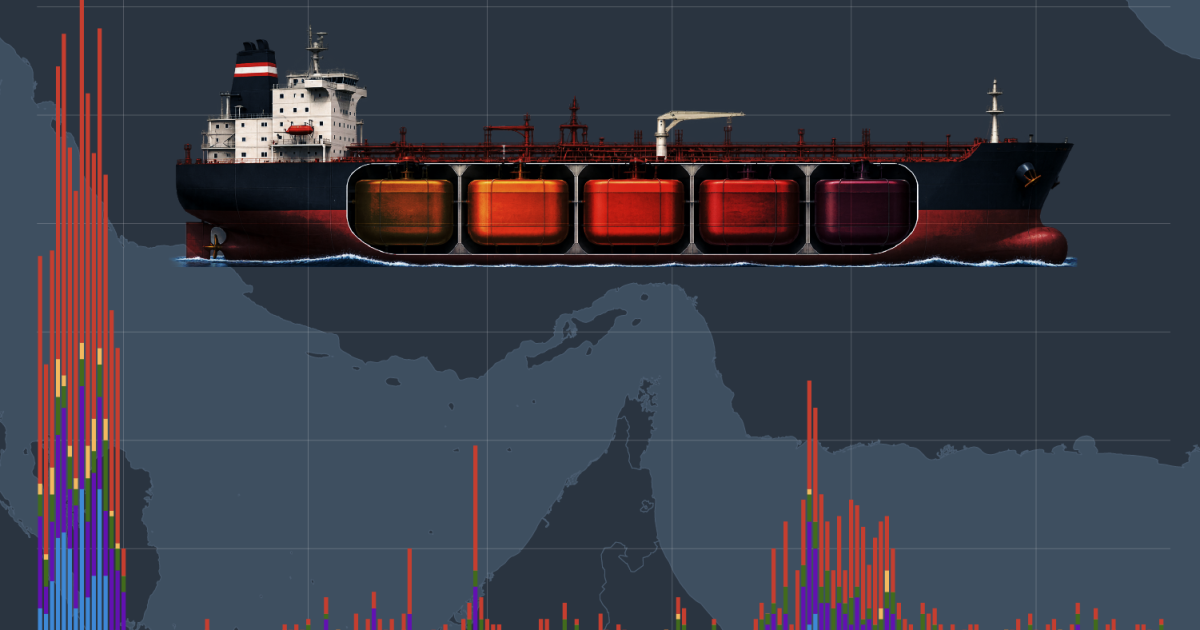
The effective closure of the Strait of Hormuz has triggered one of the most significant disruptions to global maritime trade in decades, with daily vessel traffic through the 33km chokepoint falling from more than 100 to an average of just five. This 95 percent decrease, reported by Al Jazeera, marks a critical shift in global energy logistics six months into the United States-Israel war on Iran. The strait, which typically carries more than one-third of global seaborne crude oil and significant volumes of liquefied petroleum gas and liquefied natural gas, has become a focal point for supply chain instability.
According to data from Kpler, direct exports of crude oil moving via the strait have dropped to an average of 2.2 million barrels per day. Overall crude exports from the Gulf region have fallen by nearly half, declining from approximately 17 million barrels per day in 2025 to roughly nine million barrels per day as of August 2026. Analysts estimate that five to seven million barrels of Gulf oil are currently disrupted, a stark contrast to the pre-war period when the waterway accounted for roughly 38 percent of global crude flows.
The disruption has forced a geographic redirection of global shipping flows, with traffic shifting away from the Gulf towards the Red Sea and Southeast Asia. Singapore and Malaysia have emerged as key hubs for redirected energy, with Russia’s fuel oil shipments to these nations rising 2.5 times month-on-month in July. This shift highlights the adaptability of the maritime industry, though it also signals a more fragmented and costly global trade network.
Port traffic across the region has been severely impacted, with Kuwait experiencing the steepest decline in daily port calls at 86 percent, largely due to its sole maritime route passing through the strait. The United Arab Emirates saw a 69 percent drop, while Qatar, Iraq, and Bahrain recorded similar declines of between 66 and 68 percent. In contrast, Saudi Arabia saw a smaller 15 percent drop, attributed to its network of pipelines and access to Red Sea ports, which allowed it to maintain higher shipment volumes despite regional instability.
Oil prices are currently 20 percent higher than pre-war levels, recovering from peaks exceeding $130 a barrel in April. While the price increase has been somewhat muted by existing stock buffers, experts warn that these inventories are now depleting. Richard Matthews of Gibson Shipbrokers noted that the market is entering a phase where the next six months could be significantly more volatile if supply conditions do not improve.
The waterway has been split into two distinct paths following temporary shipping route agreements between Iran and Oman, with vessels using their respective territorial waters. However, the US naval blockade of Iranian ports and the closure of the strait by the IRGC have kept traffic at minimal levels. With the interim agreement of June 17 lifting traffic only to 20 vessels per day before the blockade resumed in July, the strait remains, in effect, closed, posing ongoing challenges to global energy security.